عربى

Content
- 1 Understanding the Role of the N210 Cylinder Head
- 2 Product Advantages for Marine Maintenance
- 3 Manufacturing Experience and Company Capabilities
- 4 Advanced Manufacturing Processes
- 5 Key Performance Considerations
- 6 Advantages Compared with Less-Controlled Aftermarket Products
- 7 Application in Yanmar Marine Diesel Engine Maintenance
- 8 Installation and Commissioning Recommendations
- 9 Customized Supply and Technical Communication
- 10 Logistics, Packaging, and Storage
- 11 Why Choose an Experienced Marine Component Manufacturer?
- 12 Recommended Buyer Checklist for the N210 Cylinder Head
- 13 Technical and Commercial Value of the N210
- 14 Questions and Answers
- 14.1 What is the N210 cylinder head?
- 14.2 Who manufactures the N210 cylinder head?
- 14.3 Is the N210 suitable for every Yanmar marine diesel engine?
- 14.4 Can the N210 replace a used cylinder head?
- 14.5 What should be checked before installation?
- 14.6 Does the cylinder head require professional installation?
- 14.7 What quality advantages does the manufacturer offer?
- 14.8 Can customers request technical support or customized requirements?
- 14.9 How should the N210 be stored before use?
- 14.10 What information should be included in an inquiry?
- 15 Conclusion
- 16 References
- 17 Product: N210
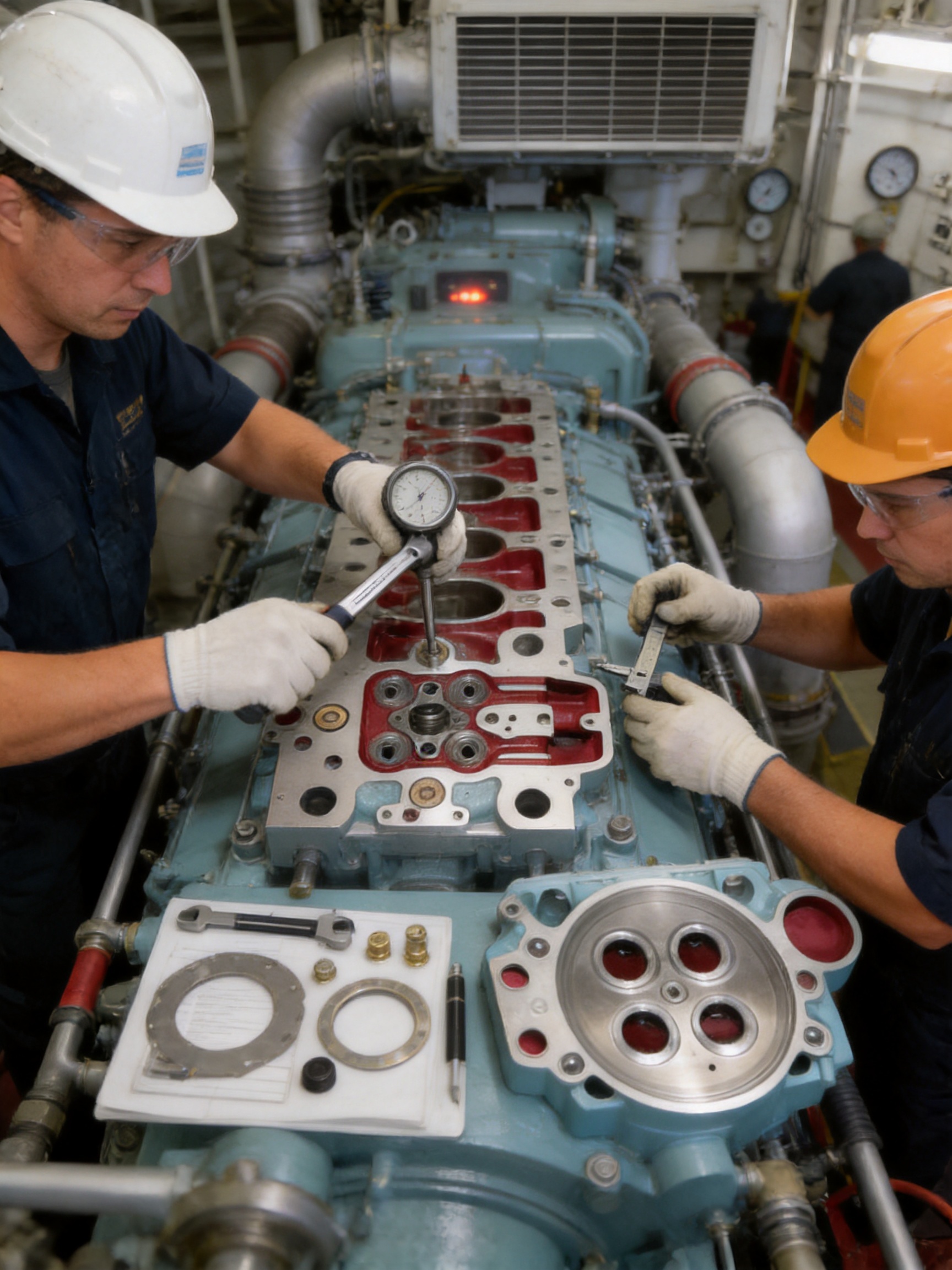
The cylinder head is one of the most important structural and functional components in a marine diesel engine. It closes the upper section of the combustion chamber, supports the valve train, directs the intake and exhaust gases, and transfers heat away from the combustion area. Because it operates under repeated thermal, mechanical, and pressure loads, its condition has a direct effect on engine reliability, fuel efficiency, emissions, maintenance intervals, and vessel availability.
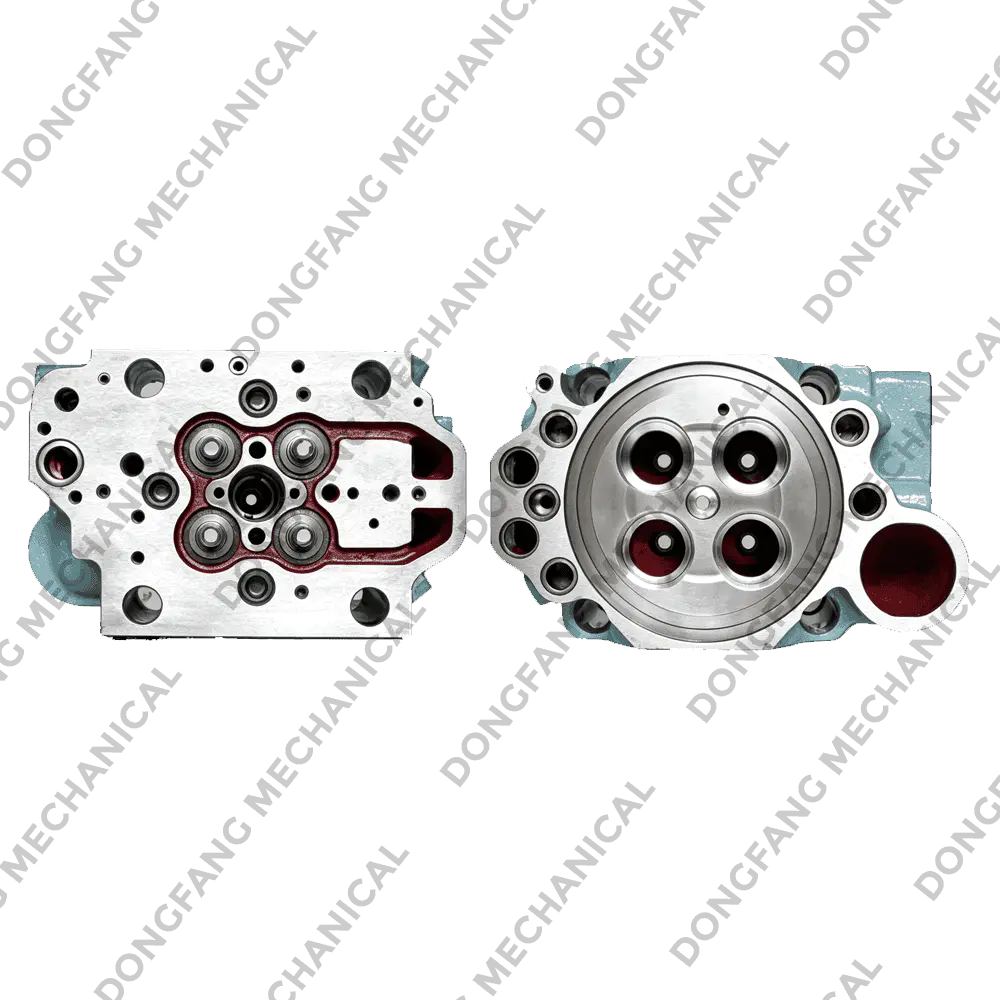
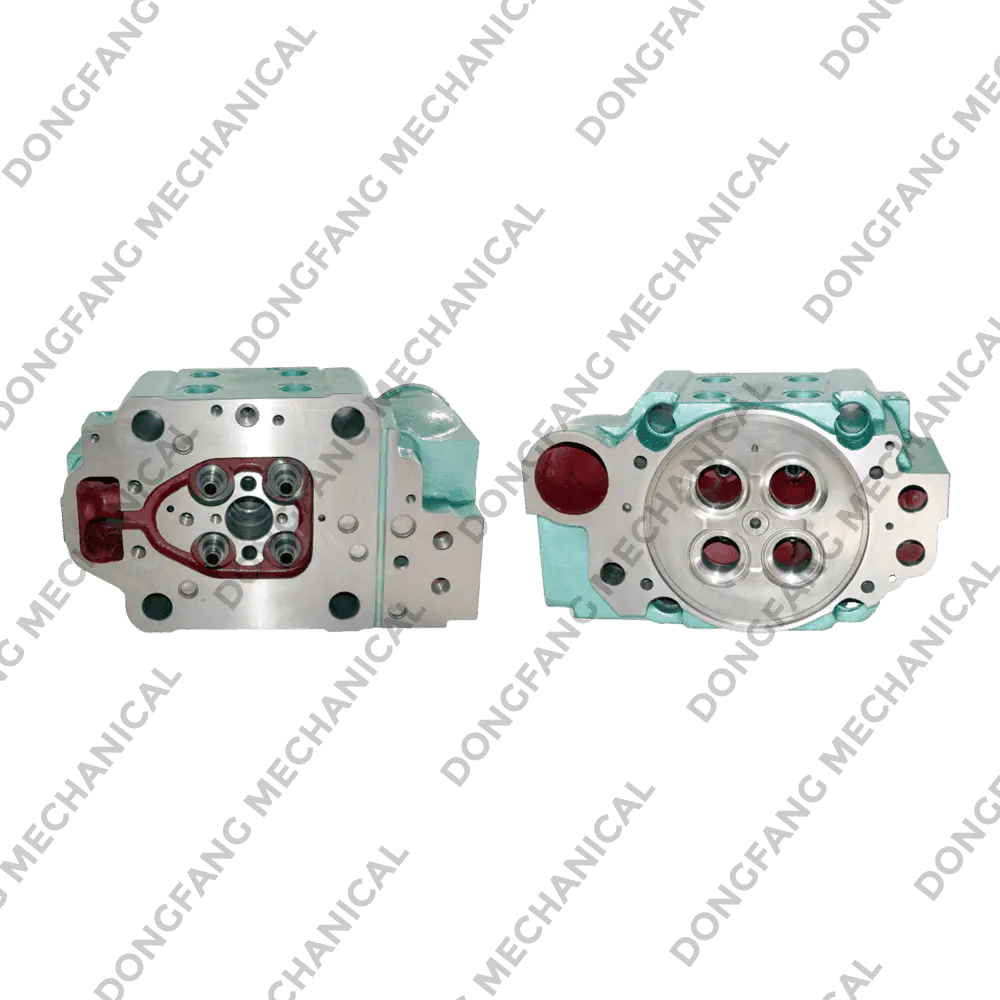
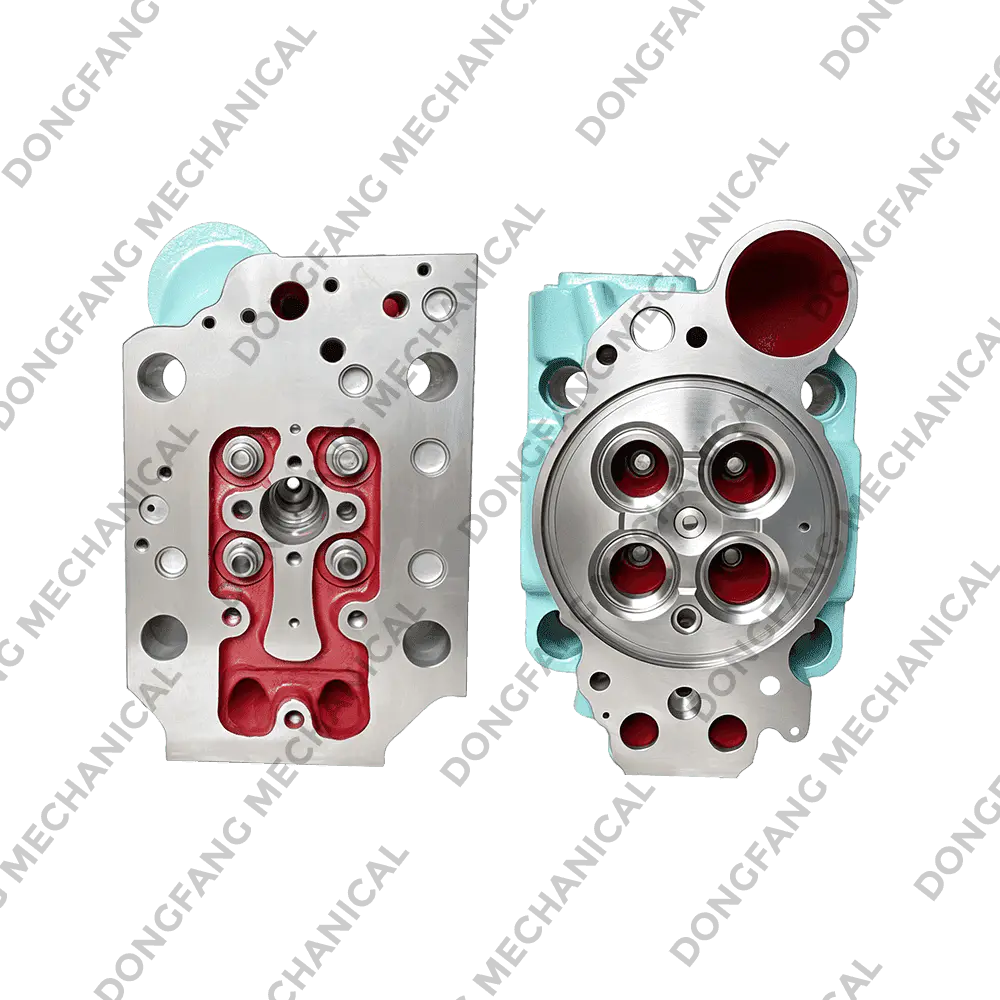
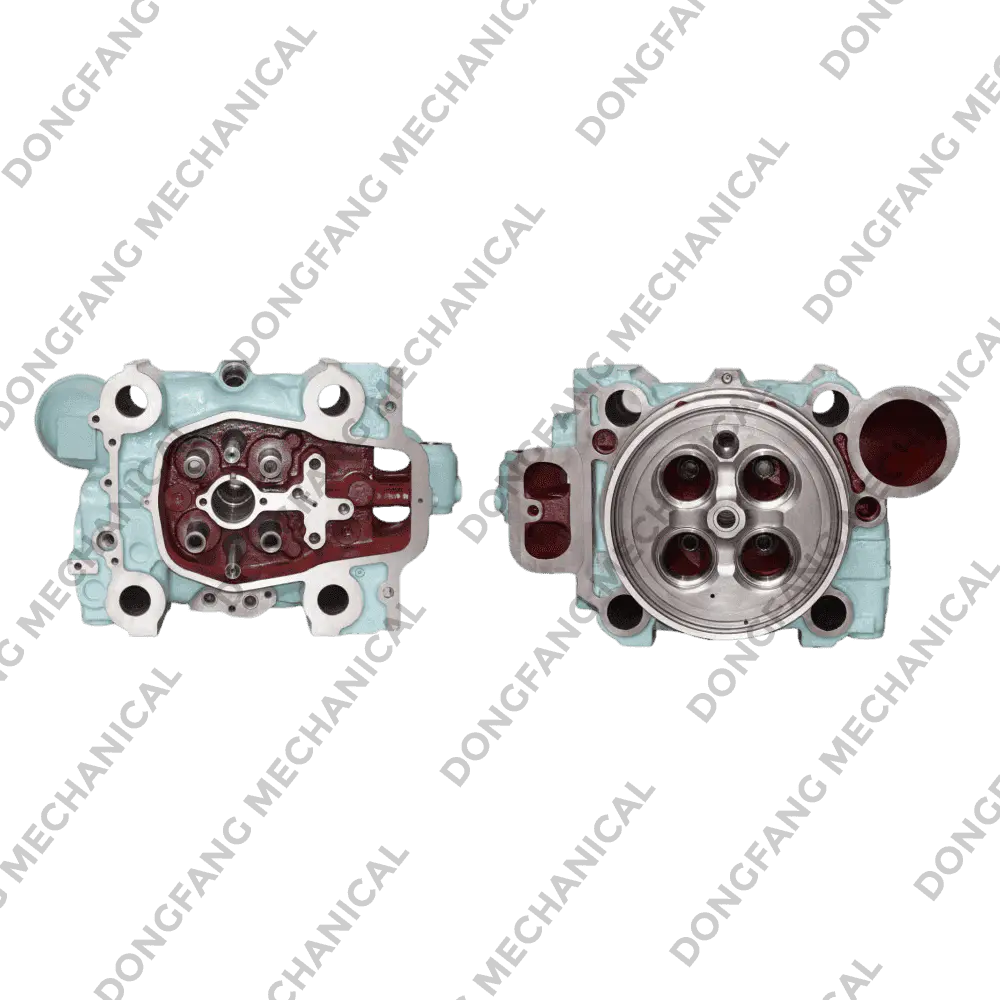
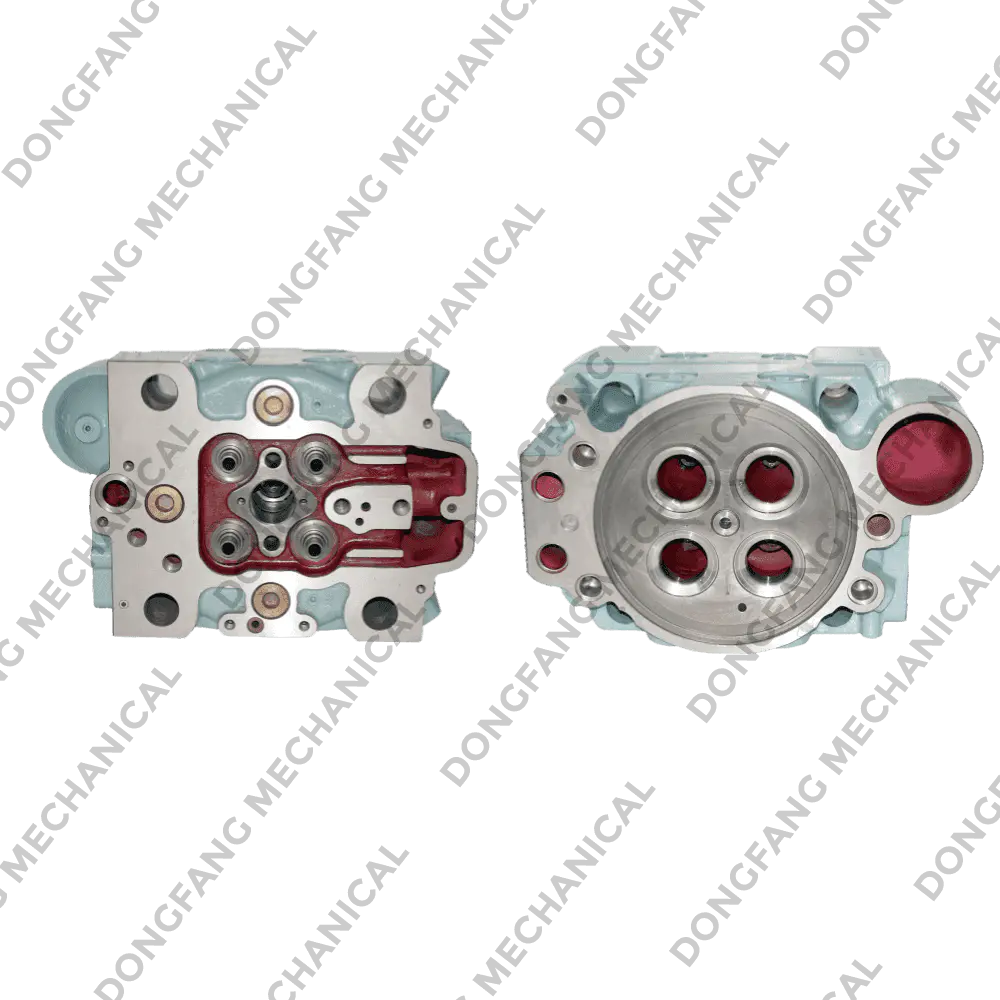
The N210 cylinder head is an aftermarket replacement component developed for compatibility with Yanmar marine diesel engines. It is supplied by Zhoushan Putuo Dongfang Machinery Co., Ltd., an experienced Chinese manufacturer and OEM supplier of cylinder heads, cylinder liners, valves, valve seats, valve cages and guides, connecting rods, piston pins, and piston heads for marine diesel engines. The product is intended to support shipowners, marine repair workshops, engine distributors, and spare-parts dealers that require a dependable replacement solution for maintenance and overhaul programs.
As a replacement cylinder head, the N210 is designed to provide a practical balance of dimensional compatibility, material performance, manufacturing consistency, service support, and cost control. It can help operators reduce dependence on expensive original-equipment supply channels while maintaining an appropriate standard for marine service. Its value is especially relevant when an engine must return to operation quickly, when genuine parts have long lead times, or when a vessel operator is seeking a reliable alternative for planned maintenance.
N210
Understanding the Role of the N210 Cylinder Head
A marine diesel cylinder head is exposed to a demanding combination of combustion pressure, high temperature, cooling-water circulation, valve impact, and vibration. The component must maintain a reliable seal with the cylinder liner or cylinder block while also preserving the alignment of valves, guides, injectors, and other associated parts. Even a small dimensional error or a surface defect can lead to compression loss, coolant leakage, gas leakage, valve damage, or abnormal wear.
The N210 cylinder head is categorized as a replacement spare part compatible with Yanmar marine diesel engines. Its primary purpose is to replace a worn, cracked, corroded, distorted, or otherwise unsuitable cylinder head during an engine repair or overhaul. Depending on the engine configuration and maintenance plan, the replacement may be installed as part of a single-cylinder repair, a partial overhaul, or a complete top-end refurbishment.
A replacement cylinder head should not be evaluated only by its purchase price. Its real value depends on the complete operating cycle. A component that is dimensionally stable, properly machined, correctly inspected, and supported by responsive technical service can reduce installation problems and shorten vessel downtime. In contrast, an inexpensive part that requires extensive rework may create additional labor costs and introduce uncertainty during commissioning.
The N210 product is therefore positioned as a professionally manufactured aftermarket component rather than an unverified casting. Its application should be confirmed against the engine model, part number, drawing, dimensions, and operating requirements before ordering. Proper identification is essential because Yanmar engines may have different cylinder-head designs, valve arrangements, cooling passages, injector configurations, and installation dimensions.
Product Advantages for Marine Maintenance
Replacement Availability
One of the principal advantages of an aftermarket cylinder head is improved access to replacement supply. Marine operators frequently manage vessels with different engine brands, service histories, and operating schedules. Waiting for a limited production part can delay a repair and increase the cost of berth time, labor, and charter disruption.
The N210 provides an additional sourcing option for Yanmar marine diesel engine maintenance. It allows shipowners and service companies to consider a replacement component from an established specialist manufacturer rather than relying exclusively on a single supply channel. This flexibility can be useful for planned overhauls, emergency repairs, and spare-parts inventory management.
Cost Control
Aftermarket components can provide meaningful cost advantages when they are produced with disciplined engineering and quality control. A competitive price is valuable because marine engine maintenance often involves several related parts, including valves, valve seats, guides, gaskets, fasteners, injector components, and cooling-system seals. Reducing the cost of one major component can help operators manage the overall repair budget.
The economic benefit of the N210 cylinder head should be considered together with its expected service performance, dimensional consistency, and installation requirements. A suitable aftermarket part can reduce acquisition costs without forcing the operator to compromise on essential manufacturing controls. For fleet operators, the savings may become more significant when multiple engines or vessels require similar replacement parts.
Support for Planned Overhauls
Planned maintenance allows the crew or repair contractor to inspect the complete cylinder assembly before a serious failure occurs. During this process, the existing cylinder head may be checked for cracks, erosion, corrosion, valve-seat recession, guide wear, distortion, and poor sealing surfaces. When the component is near the end of its useful life, replacing it during the scheduled overhaul can prevent an unplanned breakdown later.
The N210 cylinder head can be included in a preventive-maintenance program when its compatibility has been verified. Having replacement components available before dismantling begins can improve planning and reduce the possibility that an engine remains out of service while parts are being sourced.
Compatibility-Oriented Design
Compatibility is a central requirement for any replacement cylinder head. The component must work with the relevant cylinder assembly, valves, guides, seats, gaskets, fasteners, fuel-injection arrangement, cooling passages, and valve-train components. The N210 is offered specifically for compatibility with Yanmar marine diesel engines, giving buyers a clear starting point when identifying a replacement.
Compatibility should always be confirmed using the complete technical information available for the engine. Buyers should provide the engine model, serial number, existing part number, drawings, photographs, dimensions, and any previous modification records whenever possible. This information helps the supplier determine whether the requested product corresponds to the intended application.
Manufacturing Experience and Company Capabilities
Zhoushan Putuo Dongfang Machinery Co., Ltd. was founded in 1996 and specializes in the manufacture and supply of components for imported and domestic marine diesel engines. The company is located in Pingyang Industrial Zone, Shenjiamen, Zhoushan City, Zhejiang Province, China. Its location supports access to maritime transportation and to the commercial and industrial networks associated with Zhoushan’s marine economy.
The company has more than two decades of experience in the development, research, manufacturing, and import of marine diesel engine components. This product focus is important because marine parts require a different level of practical understanding from general industrial castings. Marine engines operate for long periods under steady load, often in difficult environments, and repairs may need to be completed under strict time constraints.
The manufacturer covers more than 8,000 square meters and operates a workshop of more than 5,000 square meters. Its stated annual production capacity exceeds 5,000 sets. This scale provides a foundation for organized production, repeatable processing, inventory planning, and support for both regular orders and project-based requirements.
The company obtained ISO 9001 certification in 2001 and has been rated as an AAA-level enterprise. ISO 9001 certification indicates that the organization has established a quality-management framework covering relevant business and production processes. Certification alone does not replace product-specific inspection, but it demonstrates a formal commitment to documented procedures, process control, corrective action, and continuous improvement.
Its product range includes cylinder heads, cylinder liners, valves, valve seats, valve cages and guides, connecting rods, piston pins, and piston heads. This broad product portfolio allows the manufacturer to understand the relationship between the cylinder head and the surrounding engine components. Such knowledge is useful when reviewing dimensional interfaces, wear patterns, material combinations, and overhaul requirements.
Advanced Manufacturing Processes
Engineering Review and Product Identification
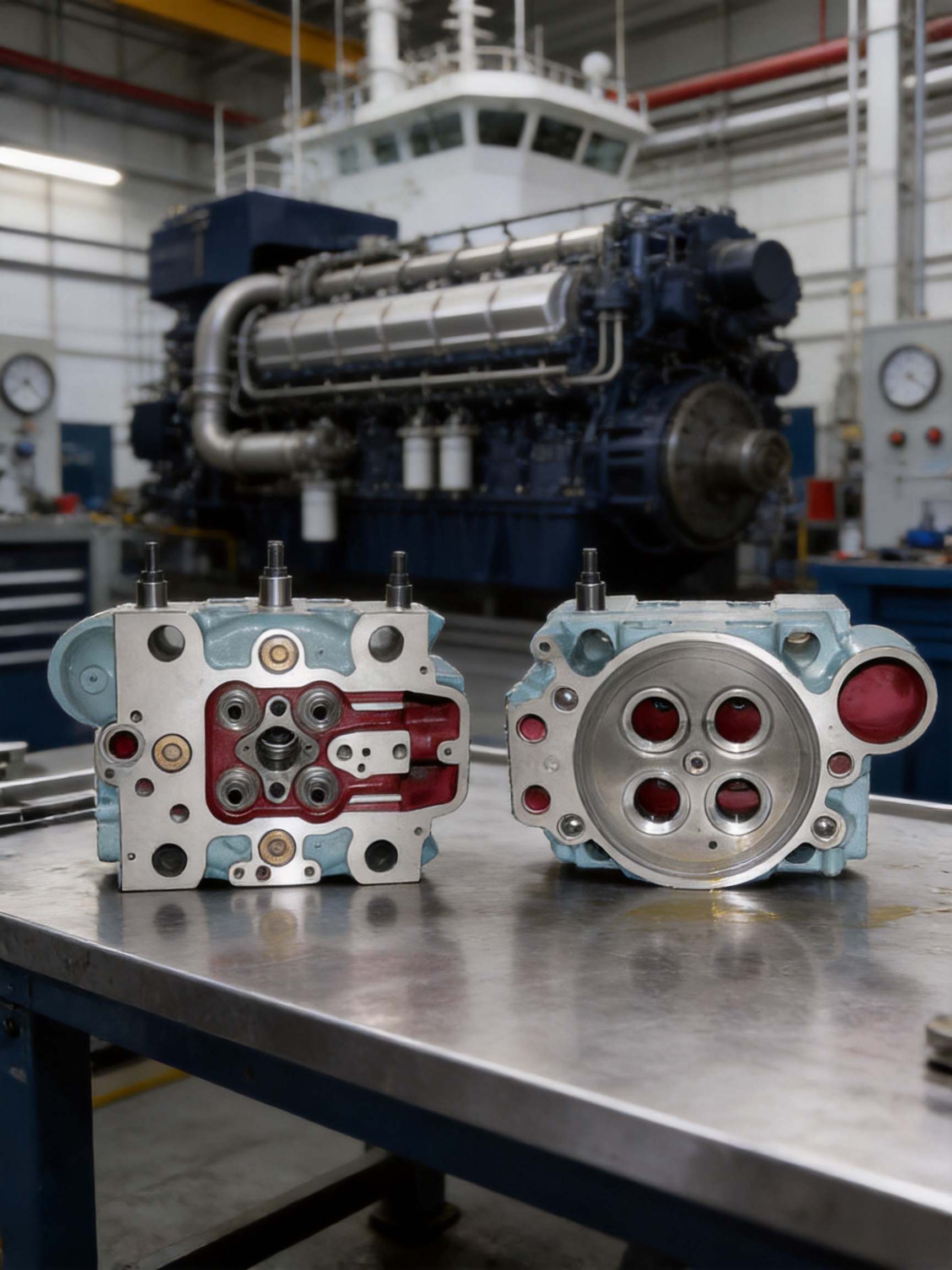
The manufacturing process begins with accurate product identification and engineering review. Before a cylinder head is produced, the supplier must establish the intended engine application and determine the critical dimensions and interfaces. These may include the overall height and width, bolt-hole locations, valve-seat positions, guide bores, injector openings, cooling passages, gasket surfaces, and contact areas.
For an aftermarket part, engineering review is particularly important because the component must reproduce the functional characteristics of the service part while remaining suitable for the intended engine. The manufacturer may use existing drawings, measurements, samples, customer specifications, or inspection data to establish the production requirements. The final component should be checked against the approved technical reference before shipment.
Material and Casting Control
The cylinder head must withstand combustion heat, pressure fluctuations, mechanical loads, and thermal cycling. Material selection and casting control therefore have a major influence on service performance. A suitable casting should have consistent structure, appropriate strength, adequate thermal resistance, and resistance to cracking or deformation under normal operating conditions.
Controlled material preparation helps reduce variation between production batches. Casting practice should be managed to limit defects such as shrinkage, porosity, inclusions, cold shuts, and incomplete filling. After casting, the component may undergo cleaning, visual examination, dimensional review, and additional inspection before machining begins.
For marine applications, attention to water-jacket areas is especially important. Cooling passages must be formed correctly, and the surrounding material must provide adequate separation between hot combustion zones and coolant channels. Defects or thin sections in these areas can contribute to coolant leakage, overheating, or localized damage.
Precision Machining
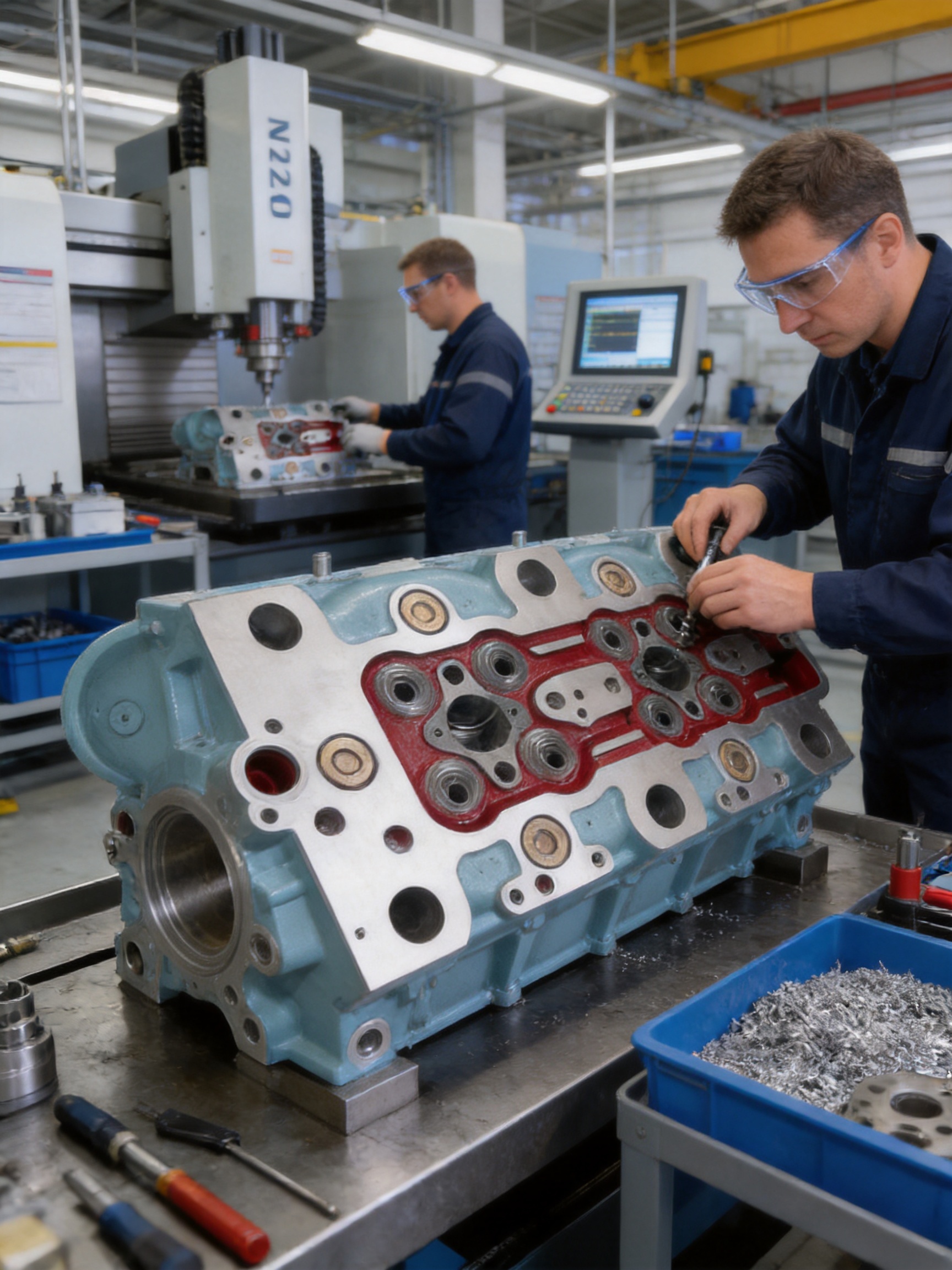
Machining converts the cast or forged blank into a component with accurate functional surfaces. The cylinder head may require operations such as milling, drilling, boring, reaming, facing, tapping, guide-bore machining, valve-seat preparation, and surface finishing. Each operation must be completed in the correct sequence so that dimensional relationships remain stable.
Flatness of the cylinder-head sealing surface is one of the most important machining requirements. The surface must mate correctly with the gasket and the cylinder assembly. Excessive distortion, poor surface finish, or incorrect material removal can result in combustion-gas leakage or coolant leakage after installation.
Valve-related machining is equally important. Valve guides and valve seats must be positioned and finished accurately to support proper valve movement and sealing. The relationship between the guide axis, seat angle, seat width, and valve face influences compression, heat transfer, gas flow, and valve life. A properly machined replacement head reduces the need for corrective work during installation.
Machining accuracy also affects injector alignment and combustion performance. If the injector position or seating area is incorrect, fuel spray direction and sealing may be affected. For this reason, the relevant injector opening and seating surfaces should be produced according to the approved engine requirements.
Inspection and Quality Assurance
Inspection should be integrated into the manufacturing process rather than performed only at the final packing stage. In-process checks can identify dimensional variation before additional work is completed. Final inspection can then confirm that the finished cylinder head meets the required specifications and is suitable for delivery.
Typical inspection activities for a cylinder head may include visual examination, dimensional measurement, surface inspection, flatness verification, bore measurement, thread inspection, valve-seat checking, and pressure testing of relevant passages. The exact inspection plan depends on the product design, customer requirements, and applicable technical standards.
Pressure testing is particularly valuable for identifying leaks in cooling passages or other internal areas that cannot be judged reliably through visual inspection. A pressure-tested component provides greater confidence before installation, although the test conditions and acceptance criteria should be defined according to the application.
Quality assurance also includes traceability and documentation. Production records, inspection results, material information, and packing details help the supplier and customer investigate any later question. A clear documentation process supports professional maintenance management and makes it easier to reorder the same component in the future.
Key Performance Considerations
| Evaluation Area | Importance for Marine Operation | What Buyers Should Confirm |
|---|---|---|
| Engine compatibility | Ensures correct fit and functional integration | Engine model, serial number, part number, and technical drawing |
| Sealing surface | Prevents combustion-gas and coolant leakage | Flatness, surface finish, and gasket interface |
| Valve-seat position | Supports compression, gas flow, and heat transfer | Seat dimensions, angles, concentricity, and material |
| Valve-guide alignment | Reduces valve-stem wear and improves sealing | Guide bore size, alignment, and finished condition |
| Cooling passages | Controls thermal loading and protects the head | Passage layout, pressure-test results, and cleanliness |
| Injector interface | Maintains fuel-injection sealing and positioning | Opening dimensions, seating arrangement, and compatibility |
| Material quality | Supports strength and thermal durability | Material specification and production records |
| Inspection documentation | Improves confidence and maintenance traceability | Inspection report, test records, and packing information |
| Supplier service | Reduces ordering and installation uncertainty | Technical response, customization ability, and delivery support |
Advantages Compared with Less-Controlled Aftermarket Products
Not all aftermarket cylinder heads are manufactured to the same standard. Some suppliers focus primarily on low purchase price and may provide limited information about material, inspection, machining, or compatibility. Such products may require extensive workshop correction or may create uncertainty during engine commissioning.
The N210 has several potential advantages when compared with less-controlled alternatives. First, it is supplied by a manufacturer that concentrates on marine diesel engine components rather than treating the cylinder head as a general-purpose casting. Second, the company has long-term experience in this product category and maintains a broad range of related engine parts. Third, the company operates within an ISO 9001 quality-management framework and has established production facilities and a defined business history.
Another advantage is the possibility of coordinated technical communication. When the same supplier understands cylinder heads, liners, valves, guides, connecting rods, and piston components, it may be easier to discuss the complete repair condition. For example, abnormal valve wear may be related to guide clearance, seat condition, lubrication, or alignment rather than to the head casting alone. A component-focused supplier can provide more useful questions and recommendations during the purchasing process.
The N210 also offers a practical alternative to used or reconditioned cylinder heads. Used components can be economical, but their previous operating history may be unknown. They may have experienced overheating, repeated resurfacing, corrosion, cracking, or incompatible repairs. A new aftermarket cylinder head provides a more predictable starting point, particularly when the supplier can provide inspection and manufacturing information.
Compared with emergency repair using a heavily damaged original head, a new replacement can also reduce the risk of hidden defects. Welding and extensive reconditioning may restore a component in some cases, but the repair quality depends on the original damage, welding procedure, heat treatment, machining capability, and inspection resources. Replacement with a properly produced component can simplify the repair decision.
Application in Yanmar Marine Diesel Engine Maintenance
The N210 cylinder head may be considered during several types of maintenance activity. In a scheduled top-end overhaul, the existing head can be removed, cleaned, inspected, and compared with the replacement component. If the original head has reached a condition where repair is no longer economical or technically advisable, the N210 can be prepared for installation after compatibility confirmation.
In an emergency repair, the decision process may be faster, but identification remains essential. A cracked head, severe valve-seat damage, coolant leak, or extensive corrosion can stop an engine and affect the vessel’s operation. The repair team should record the engine model and part number immediately, photograph the existing component, and provide accurate information to the supplier. This reduces the risk of receiving a part that appears similar but is not functionally suitable.
For fleet operators, the N210 may be included in a spare-parts strategy. Operators can review the number of compatible engines in the fleet, average operating hours, previous failure history, and expected maintenance schedule. Maintaining a replacement cylinder head in regional or vessel-side stock may be justified when downtime costs are high or when the vessel operates far from major marine service centers.
The cylinder head should be installed by qualified personnel following the engine manufacturer’s service procedures. The mating surfaces should be clean and free from foreign material. Related parts should be inspected rather than automatically reused. Gaskets, seals, valve components, fasteners, and injector sealing elements may require replacement depending on the engine instructions and the condition found during dismantling.
Fastener tightening should follow the correct sequence and specified method. Incorrect torque, uneven tightening, or reuse of unsuitable fasteners can distort the head or compromise the gasket. After installation, the repair team should complete the required valve clearances, fuel-system checks, cooling-system checks, and operational tests.
Installation and Commissioning Recommendations
Before Installation
Confirm the engine application before removing the replacement cylinder head from its protective packaging. Compare the product with the approved drawing, purchase order, part number, and existing head. Check the overall dimensions, mounting-hole pattern, valve and guide arrangement, injector interface, and cooling-passage configuration.
Inspect the component for transport damage, corrosion, contamination, or visible surface defects. Do not install a part that has been dropped, struck, or exposed to unsuitable storage conditions without further evaluation. Keep all machined surfaces protected until the component is ready for assembly.
Clean the cylinder block or liner mating surface carefully. Remove old gasket material without damaging the sealing face. Check for distortion, cracks, corrosion, erosion, and damaged threads. The replacement head cannot correct a serious defect in the adjoining engine structure.
During Assembly
Use new gaskets and seals where required by the engine maintenance instructions. Confirm that the gasket type and thickness are appropriate for the application. Incorrect gasket selection can change compression clearance, affect sealing, or interfere with cooling and lubrication passages.
Inspect valves, guides, seats, springs, retainers, and rocker-related components. Even when a new cylinder head is installed, worn associated components may prevent the assembly from achieving the intended performance. If the N210 is supplied with certain fitted parts, confirm their condition and specifications before assembly.
Tighten the cylinder-head fasteners according to the approved sequence and procedure. Depending on the engine design, the procedure may involve a specified torque, an angle-tightening method, staged tightening, or a defined tightening pattern. The repair team should use calibrated tools and record the work where maintenance documentation is required.
After Assembly
Before starting the engine, verify valve clearances, fuel-injector installation, cooling-water connections, lubrication passages, and all external fittings. Rotate the engine manually when appropriate to confirm that there is no interference. Check that the cooling system has been filled and properly vented.
During the initial run, observe oil pressure, cooling-water temperature, exhaust condition, combustion stability, leakage, abnormal noise, and vibration. The engine should be operated under controlled conditions before returning to full service. After the first operating period, inspect the assembly again and record any required adjustment.
Commissioning records provide valuable information for future maintenance. The records should include the installation date, engine hours, part identification, inspection results, gasket information, tightening procedure, valve settings, test observations, and any follow-up work.
Customized Supply and Technical Communication
Marine engine spare-parts requirements are not always identical from one customer to another. A shipowner may require a standard replacement, while a repair workshop may need a component prepared for a specific overhaul condition. A distributor may require consistent packaging, labeling, inspection reports, or batch documentation for repeated orders.
Zhoushan Putuo Dongfang Machinery Co., Ltd. can communicate with customers regarding product identification, drawings, samples, inspection requirements, and delivery arrangements. This is especially useful when the buyer is uncertain whether a particular cylinder head corresponds to an engine variant or when the original part has already been modified during a previous repair.
Technical communication should include as much information as possible. Useful details include the engine manufacturer, engine model, serial number, cylinder number, original part number, dimensions, photographs, operating environment, required quantity, and target delivery date. Clear information allows the supplier to assess the request more efficiently and reduce avoidable errors.
For regular customers, standardized ordering records can improve repeatability. Once the correct N210 application has been documented, future orders can reference the approved product information. This helps distributors and fleet operators maintain consistent stock and simplifies purchasing across multiple maintenance events.
Logistics, Packaging, and Storage
A cylinder head is a precision-machined component and should be protected during handling and transport. Machined sealing surfaces, guide bores, valve-seat areas, and threaded holes should be shielded from impact, moisture, dust, and abrasive materials. Appropriate packaging helps preserve the condition established during manufacturing.
Before shipment, the component should be cleaned and protected against corrosion according to the expected transport and storage period. Packaging should prevent movement inside the crate or carton and should provide sufficient support for the component’s weight. External labels should identify the product, quantity, handling requirements, and relevant order information.
Upon receipt, the buyer should inspect the packaging for signs of impact or water exposure. The cylinder head should be stored in a clean and dry location, preferably on a stable support that does not damage its machined surfaces. Protective coatings should be maintained until installation, and open passages should remain covered to prevent contamination.
Good logistics management is part of product quality. A precisely manufactured component can be compromised by poor packing, rough handling, or long-term exposure to moisture. For this reason, customers should communicate their transportation route, storage conditions, and delivery urgency when placing an order.
Why Choose an Experienced Marine Component Manufacturer?
The marine environment places a high value on reliability, traceability, and responsive support. A general industrial supplier may be able to produce a metal component, but marine engine parts require application knowledge and attention to operational consequences. A cylinder head failure can affect not only one engine but also vessel schedules, cargo commitments, crew planning, and safety procedures.
An experienced marine component manufacturer understands that the product must fit into a larger maintenance system. The supplier must consider the relationship between the cylinder head and the cylinder liner, valves, guides, seats, piston assembly, fuel injector, cooling system, and lubrication system. This broader understanding supports more useful technical discussions and more responsible product selection.
Zhoushan Putuo Dongfang Machinery Co., Ltd. has built its business around imported and domestic marine diesel engine components since 1996. Its product range, production facilities, quality-management system, and long-term industry experience provide a strong foundation for supplying replacement parts to shipowners and marine service companies.
The company’s stated business philosophy emphasizes integrity, pragmatism, continuous improvement, quality-first standards, reasonable pricing, and dedicated service. These principles are relevant to aftermarket purchasing because customers need more than a component delivered in a box. They need a supplier that can respond to questions, support identification, manage production, and cooperate when a project has specific requirements.
Recommended Buyer Checklist for the N210 Cylinder Head
Before requesting a quotation, identify the exact Yanmar engine model and serial number. If available, provide the original cylinder-head part number and a clear photograph of the existing component. The more complete the identification information, the lower the risk of selecting an unsuitable variation.
Ask for confirmation of the main dimensions and interfaces. These may include the mounting pattern, overall dimensions, valve arrangement, guide and seat specifications, injector opening, cooling passages, and sealing surfaces. Where the application is unusual, provide technical drawings or sample measurements for review.
Confirm the expected supply condition. Determine whether the cylinder head is supplied as a bare component or with valves, guides, seats, springs, or other fitted parts. Clarify whether machining, pressure testing, inspection records, corrosion protection, and special packaging are included.
Discuss the required quantity and delivery schedule. A single urgent replacement may require a different production and logistics plan from a fleet order. Customers should also communicate whether they require serial labels, certificates, inspection reports, export packaging, or specific documentation.
Finally, confirm installation responsibility. The supplier can provide product information, but the engine owner or repair contractor remains responsible for ensuring that the part is installed according to the applicable engine service instructions. Proper installation is essential to achieve the expected performance of any replacement cylinder head.
Technical and Commercial Value of the N210
The N210 cylinder head combines the practical benefits of aftermarket supply with the manufacturing capabilities of a dedicated marine engine component company. It offers a replacement option for Yanmar marine diesel engines and can support planned maintenance, emergency repair, fleet inventory, and overhaul work.
Its competitive value comes from several factors working together: manufacturer experience, a focused marine product range, established production facilities, quality-management certification, inspection-oriented manufacturing, and customer communication. These factors can help buyers reduce procurement uncertainty and control the total cost of an engine repair.
The product should not be selected solely because it is less expensive than an original-equipment part. The more important question is whether it is correctly matched to the engine and produced with sufficient control over material, casting, machining, inspection, packaging, and support. When these conditions are satisfied, a high-quality aftermarket cylinder head can provide a sound and economical solution for marine diesel engine maintenance.
For operators seeking a dependable replacement component, the N210 is a practical product to evaluate. The final selection should be based on verified compatibility, technical documentation, installation requirements, and the operating needs of the vessel. With careful identification and professional installation, the component can contribute to reliable engine restoration and reduced downtime.
Questions and Answers
What is the N210 cylinder head?
The N210 is an aftermarket replacement cylinder head intended for compatibility with Yanmar marine diesel engines. It is used to replace a damaged, worn, cracked, corroded, or otherwise unsuitable cylinder head during marine engine maintenance or overhaul.
Who manufactures the N210 cylinder head?
The product is supplied by Zhoushan Putuo Dongfang Machinery Co., Ltd., a China-based manufacturer and OEM supplier of marine diesel engine components. The company has operated since 1996 and specializes in cylinder heads, cylinder liners, valves, valve seats, guides, connecting rods, piston pins, and piston heads.
Is the N210 suitable for every Yanmar marine diesel engine?
No. The N210 should be selected only after the engine model, serial number, original part number, dimensions, and technical interfaces have been confirmed. Yanmar engines may use different cylinder-head designs, so buyers should request compatibility verification before ordering.
Can the N210 replace a used cylinder head?
It may provide a new replacement alternative to a used cylinder head, subject to application confirmation. A new replacement can reduce uncertainty associated with unknown operating history, previous overheating, repeated resurfacing, corrosion, or undocumented repairs.
What should be checked before installation?
Check the part number, engine application, dimensions, mounting pattern, valve and guide arrangement, injector interface, sealing surface, cooling passages, threads, and visible condition. The adjoining cylinder block or liner should also be inspected for cracks, distortion, corrosion, and gasket-surface damage.
Does the cylinder head require professional installation?
Yes. Installation should be performed by qualified marine engine technicians using the relevant service procedures. Correct gasket selection, fastener tightening, valve adjustment, cooling-system filling, fuel-system inspection, and commissioning checks are all important.
What quality advantages does the manufacturer offer?
The manufacturer has more than 20 years of experience in marine diesel engine components, production facilities covering more than 8,000 square meters, a workshop exceeding 5,000 square meters, annual production above 5,000 sets, and ISO 9001 certification obtained in 2001. These capabilities support organized manufacturing and quality management.
Can customers request technical support or customized requirements?
Customers can communicate technical information such as drawings, samples, dimensions, inspection requirements, quantities, labels, packaging, and delivery schedules. The supplier can then review the request and determine the appropriate production and documentation arrangement.
How should the N210 be stored before use?
Store the cylinder head in a clean, dry environment on a stable support. Protect machined surfaces and internal passages from impact, dust, moisture, and corrosion. Keep protective packaging in place until the component is ready for installation.
What information should be included in an inquiry?
An inquiry should include the engine brand and model, serial number, original cylinder-head part number, required quantity, photographs, drawings or dimensions, delivery location, required delivery date, and any special inspection, packaging, or documentation requirements.
Conclusion
The N210 cylinder head is a replacement solution developed for the maintenance needs of Yanmar marine diesel engines. Its value is based on more than compatibility alone. It is supported by the experience of a manufacturer focused on marine diesel components, established production capacity, an ISO 9001 quality-management framework, a broad related product range, and a service philosophy centered on quality, practical cooperation, and customer support.
For shipowners, distributors, and repair workshops, the product can provide a cost-conscious alternative to original-equipment sourcing, used components, or extensive reconditioning. Its advantages are most effectively realized when buyers confirm the exact engine application, review the technical interfaces, request appropriate inspection information, and use qualified technicians for installation and commissioning.
In a marine environment where reliability and downtime control are critical, a properly manufactured cylinder head can make an important contribution to engine service performance. The N210 should therefore be considered as part of a complete maintenance strategy that includes correct identification, controlled procurement, professional installation, careful commissioning, and accurate service records.
References
1. Zhoushan Putuo Dongfang Machinery Co., Ltd. Company information and product materials concerning marine diesel engine components.
2. ISO 9001. Quality Management Systems: Requirements.
3. General marine diesel engine maintenance principles for cylinder heads, valves, valve guides, valve seats, cooling passages, and sealing surfaces.
4. General workshop practices for inspection, installation, torque control, pressure testing, and commissioning of diesel engine cylinder heads.
5. Marine engineering maintenance guidance concerning preventive overhaul planning, spare-parts management, and reduction of vessel downtime.