عربى

Content
- 1 Product Overview
- 2 Why the Cylinder Head Matters in a Marine Diesel Engine
- 3 Key Advantages of the Z280-ET Replacement Cylinder Head
- 4 Manufacturing Experience and Production Capability
- 5 Performance Benefits in Service
- 6 Advantages Over Less Specialized Alternatives
- 7 Installation and Maintenance Recommendations
- 8 Procurement Benefits for Shipowners and Distributors
- 9 Quality, Service, and Long-Term Cooperation
- 10 Recommended Inspection Checklist
- 11 Frequently Asked Questions
- 11.1 What is the Z280-ET?
- 11.2 Is the Z280-ET an original equipment component?
- 11.3 How can compatibility be confirmed?
- 11.4 What marine engines is this cylinder head intended for?
- 11.5 What is the relationship between Z280-ET and L28-32A-106?
- 11.6 What are the principal functions of a cylinder head?
- 11.7 Can the cylinder head be installed without replacing related components?
- 11.8 Why is cooling-system inspection important?
- 11.9 Does ISO 9001 certification guarantee installation success?
- 11.10 What other components does the manufacturer supply?
- 11.11 Is the Z280-ET suitable for emergency replacement?
- 11.12 How should the cylinder head be stored before installation?
- 11.13 What information should be included in an inquiry?
- 12 Conclusion
- 13 References
- 14 Product: Z280-ET
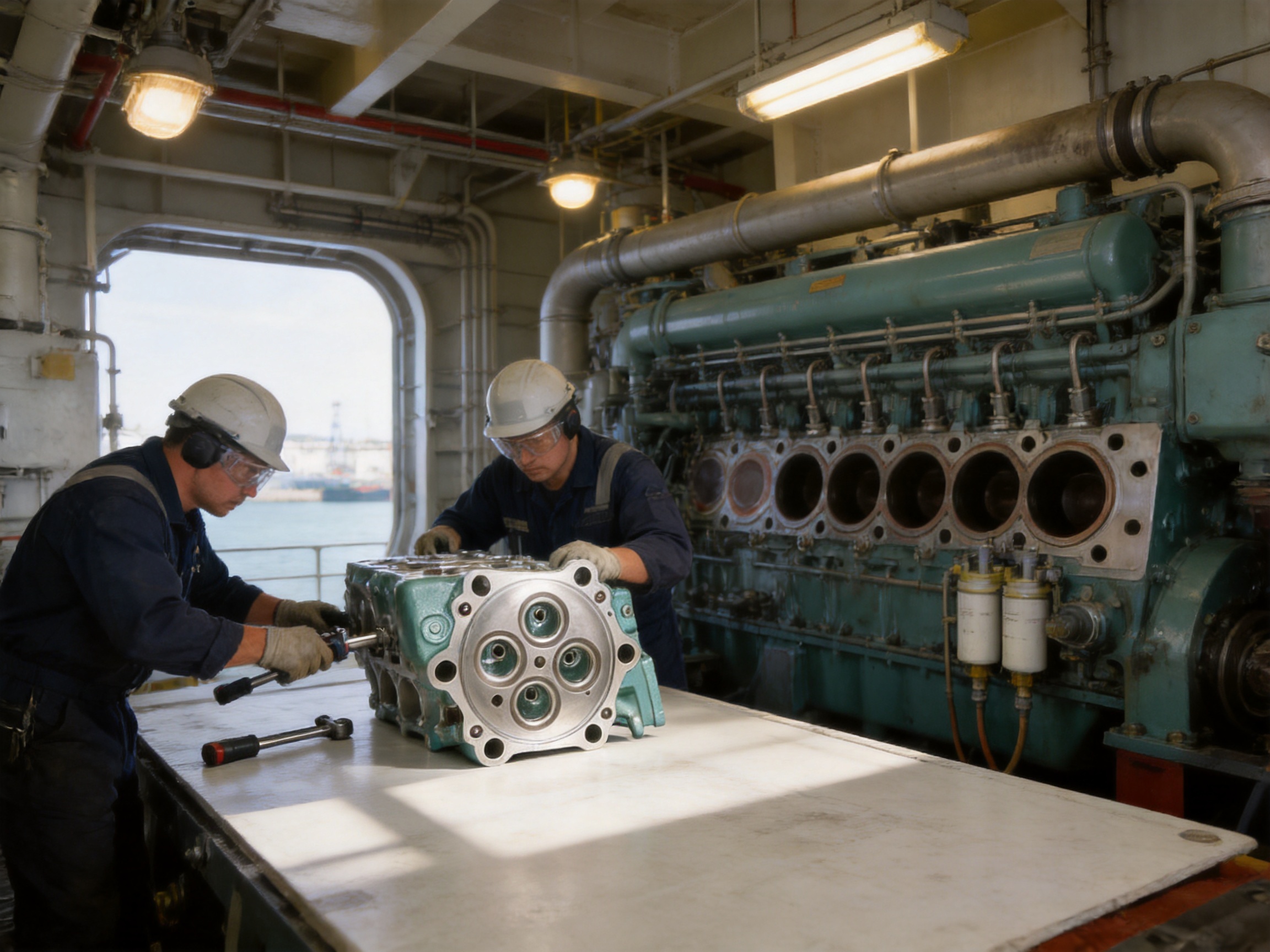
A dependable cylinder head is essential to the performance, durability, and operating safety of a marine diesel engine. It forms the upper boundary of the combustion chamber, supports the fuel injection and valve systems, contains cooling passages, and helps maintain the compression required for efficient power generation. When a cylinder head becomes cracked, warped, corroded, or excessively worn, the consequences can include difficult starting, loss of compression, coolant leakage, abnormal exhaust temperatures, higher fuel consumption, and unplanned vessel downtime.
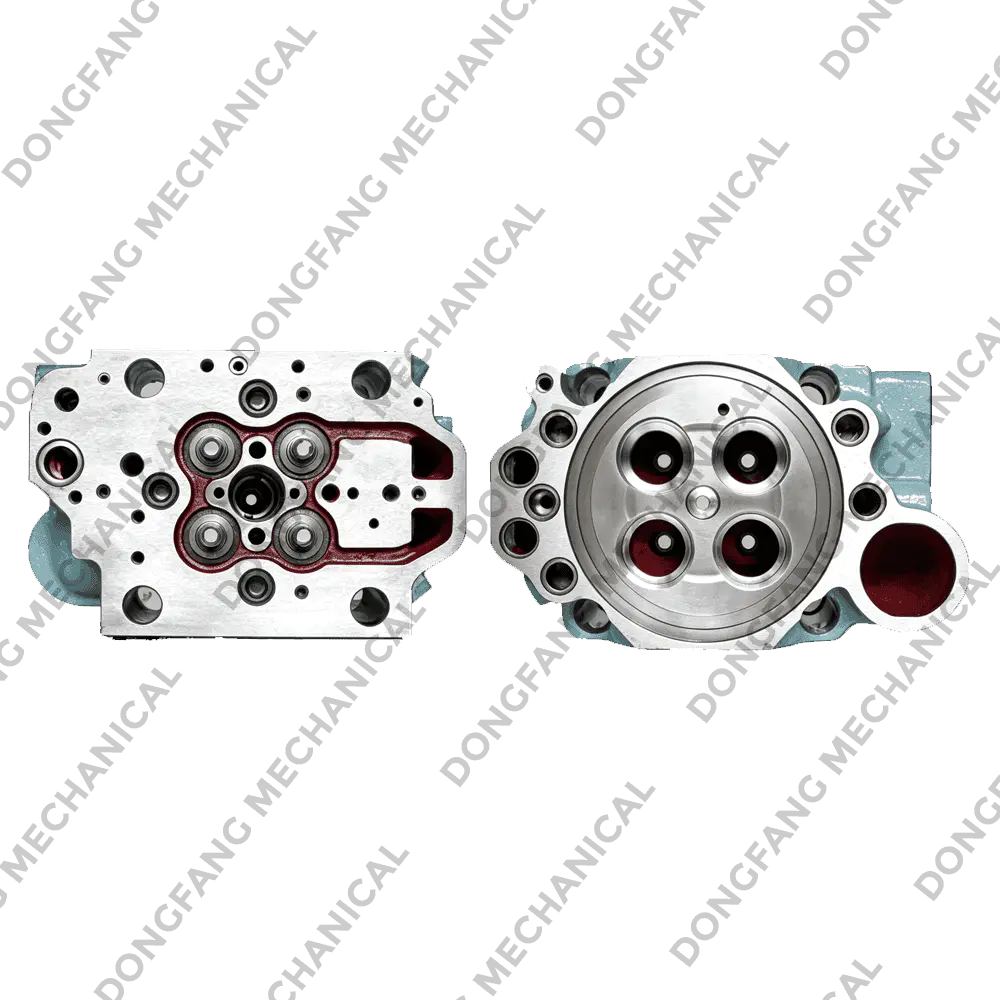
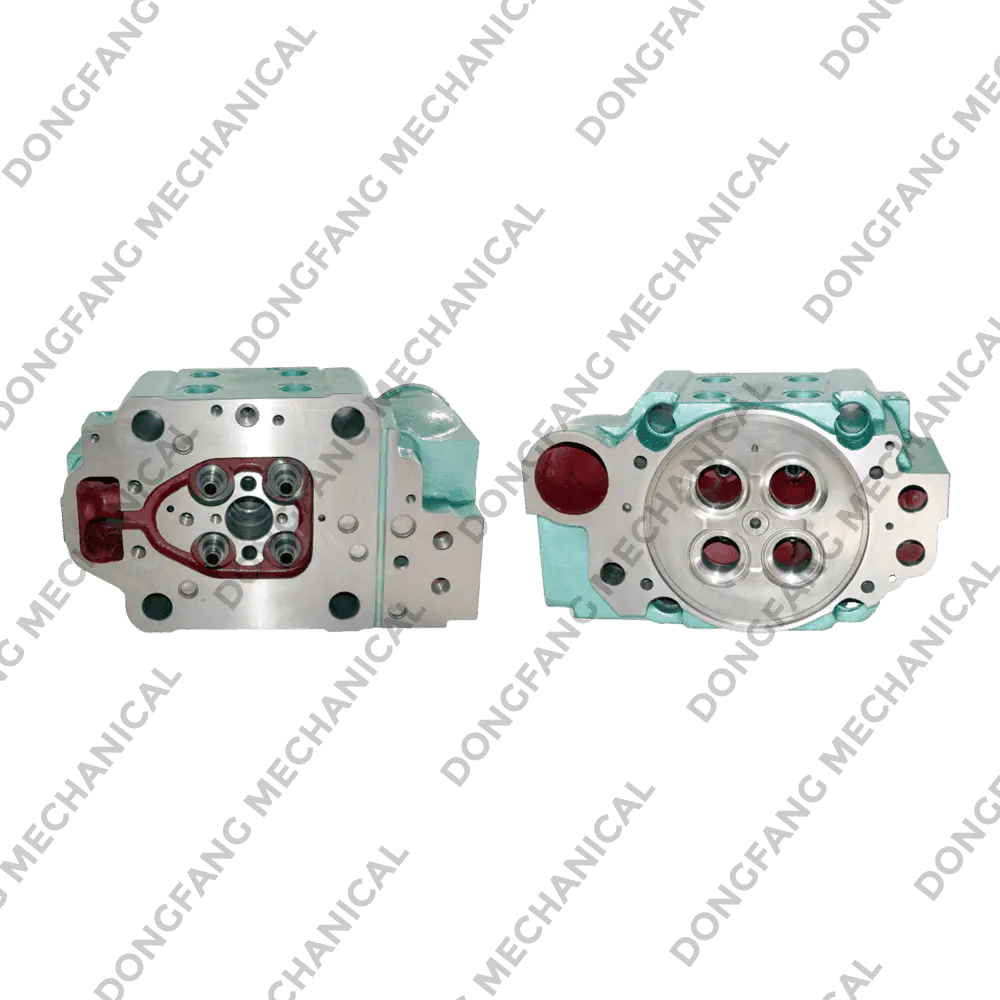
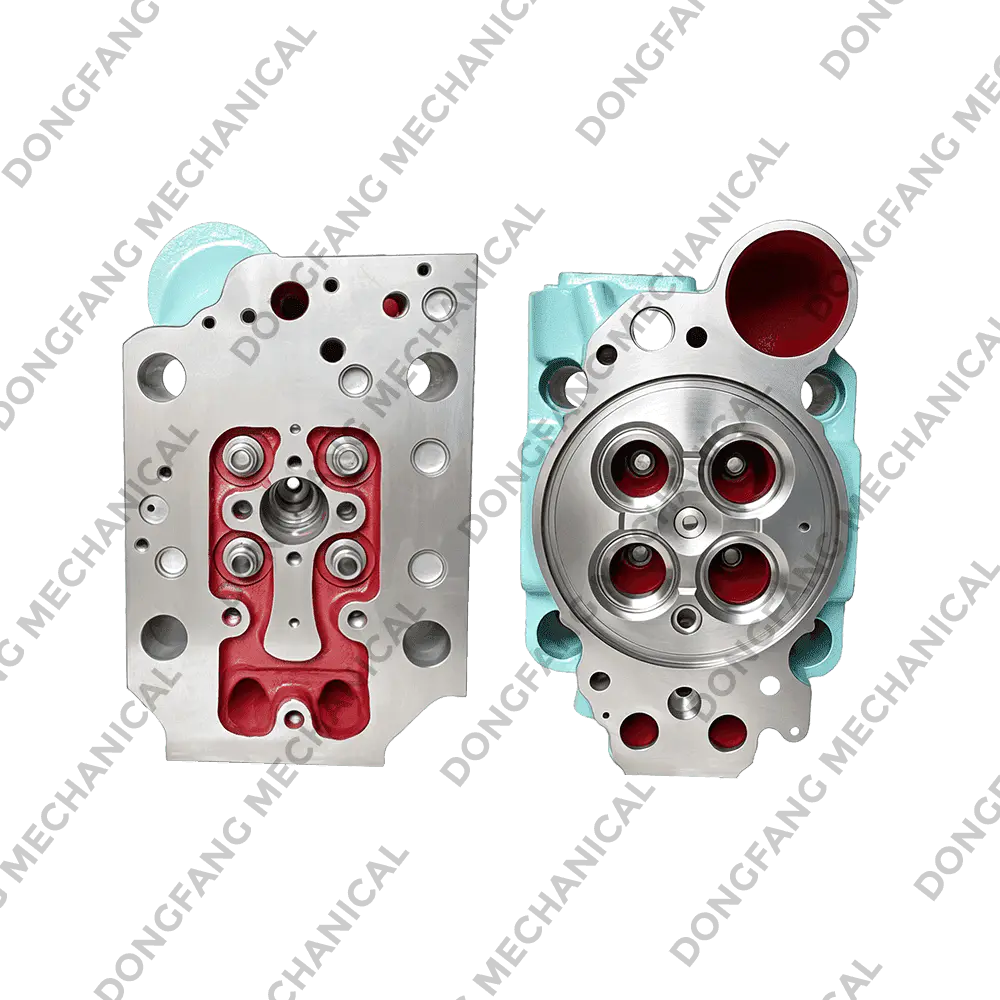
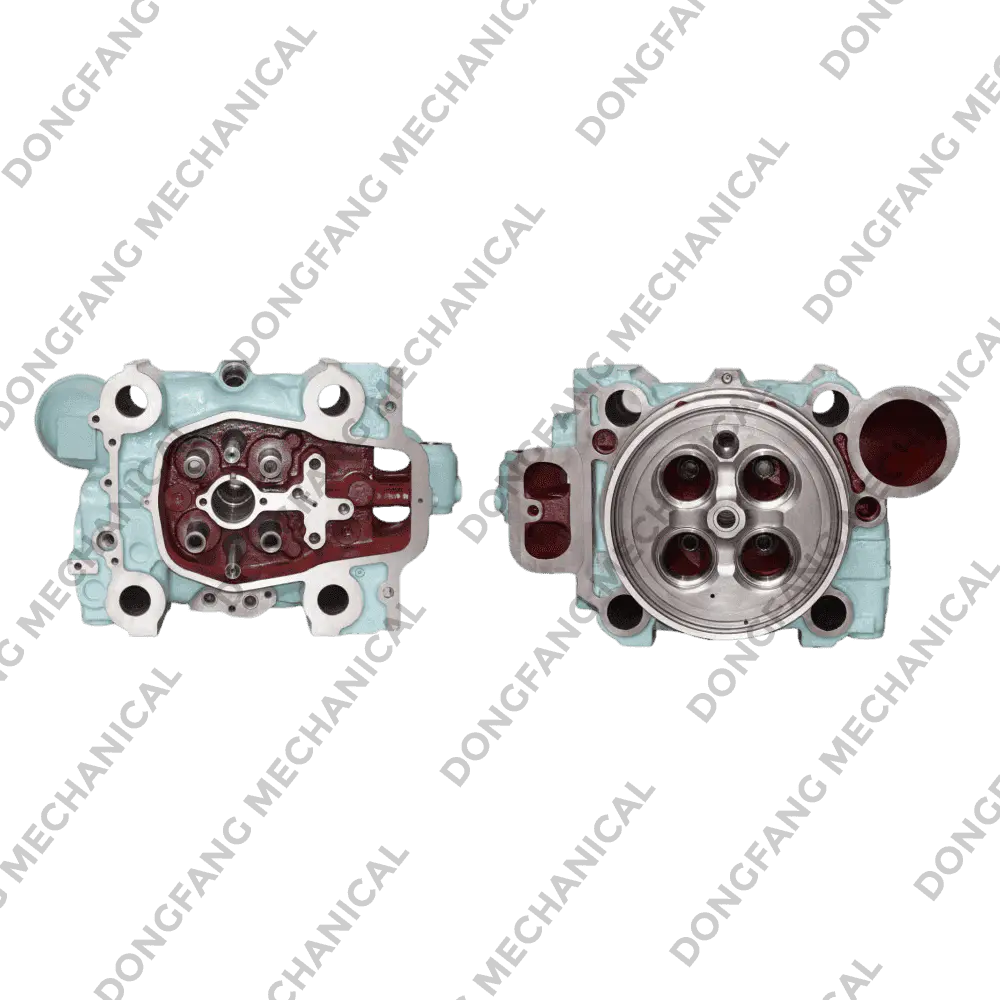
The Z280-ET cylinder head, also identified by the reference alias L28-32A-106, is an aftermarket replacement component compatible with selected Yanmar marine diesel engine applications. It is manufactured for shipowners, engine maintenance companies, marine repair yards, distributors, and equipment operators seeking a practical alternative to high-cost original replacement components. The product is developed around the dimensional, functional, and service requirements associated with marine diesel engine cylinder head replacement.
Manufactured by Zhoushan Putuo Dongfang Machinery Co., Ltd., the product benefits from the company’s long-term experience in marine diesel engine components. Since its establishment in 1996, the company has focused on the development, manufacture, and supply of cylinder heads, cylinder liners, valves, valve seats, valve cages and guides, connecting rods, piston pins, and piston heads for imported and domestic marine diesel engines.
The Z280-ET is designed to provide a balance of compatibility, structural reliability, manufacturing consistency, serviceability, and cost control. Instead of treating a cylinder head as a simple cast-metal replacement, the manufacturing process considers the complete operating environment of a marine engine, including continuous loading, thermal cycling, vibration, cooling-water circulation, combustion pressure, and the need for dependable maintenance support.
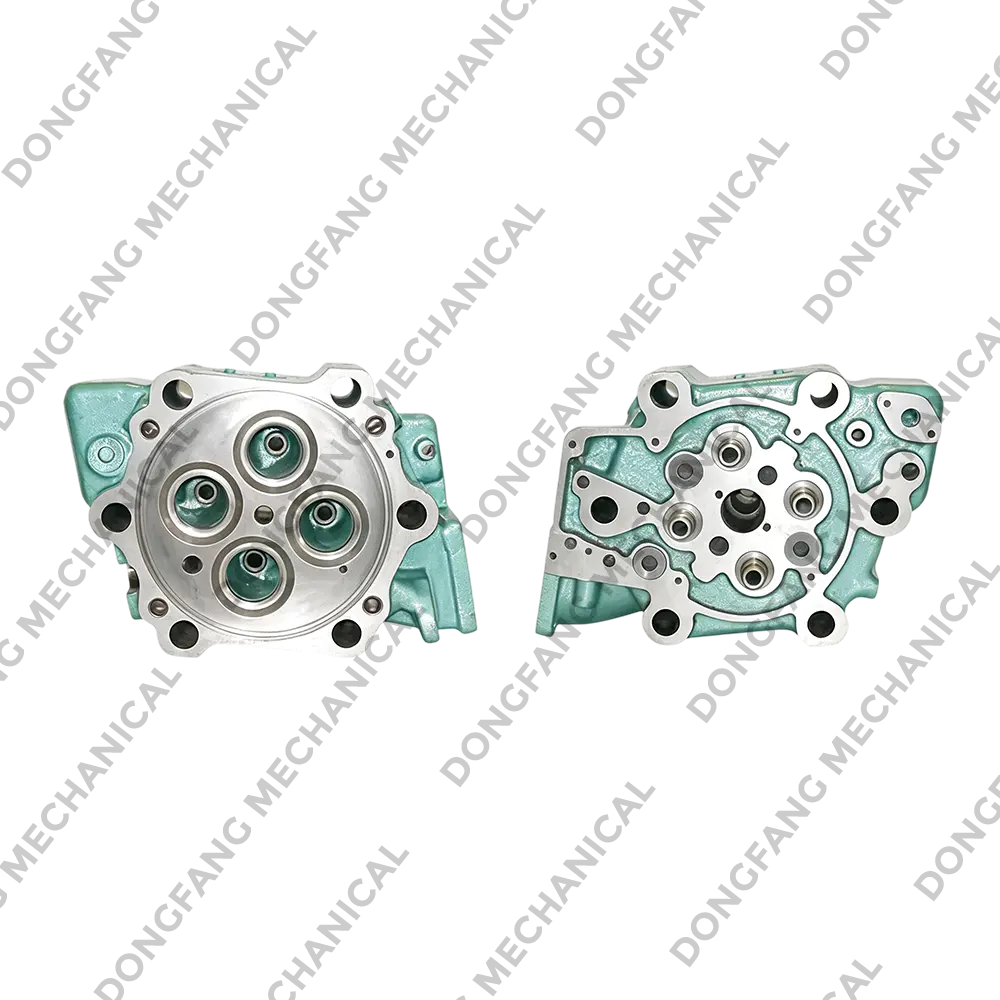
Z280-ET
Product Overview
The Z280-ET is a replacement cylinder head intended for compatible Yanmar marine diesel engine applications. Its product reference is Z280-ET, while L28-32A-106 is provided as the corresponding alias or reference number. Buyers should always verify the complete engine model, serial number, technical drawing, dimensions, and application requirements before placing an order.
| Item | Specification |
|---|---|
| Product | Replacement cylinder head |
| Model | Z280-ET |
| Reference alias | L28-32A-106 |
| Application | Compatible with selected Yanmar marine diesel engines |
| Product category | Aftermarket marine diesel engine spare parts |
| Manufacturer | Zhoushan Putuo Dongfang Machinery Co., Ltd. |
| Related product range | Cylinder liners, valves, valve seats, valve cages and guides, connecting rods, piston pins, and piston heads |
| Quality system | ISO 9001 certification obtained in 2001 |
| Annual production capacity | More than 5,000 sets |
The cylinder head is manufactured as a replacement component for demanding marine service. Its purpose is to restore the correct upper-engine geometry and support the coordinated operation of the valves, injector assembly, combustion chamber, cooling passages, and related sealing components. The final performance of any installed cylinder head depends not only on the component itself, but also on correct engine identification, installation practice, gasket selection, fastener tightening, valve adjustment, cooling-system condition, and commissioning procedures.
Why the Cylinder Head Matters in a Marine Diesel Engine
In a marine diesel engine, the cylinder head is exposed to some of the most severe conditions in the power unit. Combustion produces high pressure and temperature within a confined space. At the same time, the cooling system must remove heat from the head and maintain stable operating temperatures. The head must also maintain accurate alignment for valves and fuel injection equipment while preserving reliable sealing between the combustion chamber, coolant passages, and lubricating-oil areas.
A small defect can create a major operational problem. A crack around a valve seat may allow combustion gases to enter the cooling system. A distorted sealing face may cause gasket failure. Wear in a valve guide can lead to poor valve seating, increased oil consumption, and irregular combustion. Corrosion in a water passage can reduce cooling performance or cause coolant leakage into the cylinder. These issues are particularly serious in vessels that operate for extended periods away from repair facilities.
A replacement cylinder head must therefore meet several functional requirements:
First, it must provide accurate dimensional compatibility with the engine block, gasket, valves, valve train, injector assembly, and related components. Second, it must withstand repeated heating and cooling cycles without unacceptable distortion. Third, it must support effective heat transfer through the cooling passages. Fourth, it must preserve combustion-chamber sealing under sustained cylinder pressure. Fifth, it must allow maintenance personnel to inspect, assemble, and service the related components efficiently.
The Z280-ET is positioned as a practical solution for these requirements. Its value is not limited to replacing a damaged casting. It is intended to help restore the operating condition of compatible engines while offering procurement flexibility and cost advantages for marine operators.
Key Advantages of the Z280-ET Replacement Cylinder Head
Application-Focused Compatibility
The Z280-ET is developed for compatibility with selected Yanmar marine diesel engine applications rather than being marketed as a generic cylinder head. Application-focused production allows attention to the relevant mounting points, openings, valve arrangement, combustion-chamber geometry, cooling passages, and component interfaces.
For a marine repair project, compatibility is one of the most important purchasing considerations. A component may appear visually similar to another cylinder head but still be unsuitable because of differences in bolt spacing, water-jacket design, injector location, valve dimensions, gasket layout, or installation height. The Z280-ET product reference and L28-32A-106 alias help buyers and distributors organize their spare-parts information and compare the component with existing maintenance records.
Before purchase, customers should provide the engine model and serial information whenever possible. Additional details such as the vessel type, number of cylinders, existing part number, cylinder head photographs, technical drawings, and required quantity can help confirm suitability.
Cost-Effective Alternative for Maintenance Planning
Original replacement components can represent a significant portion of a marine repair budget, particularly when a vessel requires several cylinder heads or when related valve-train parts must be renewed at the same time. An aftermarket component can provide operators with a broader purchasing option and may reduce the total cost of scheduled maintenance.
The economic benefit of the Z280-ET is based on more than its purchase price. A suitable replacement can help maintenance teams control inventory, plan repairs in advance, and reduce dependence on urgent procurement. When a cylinder head is available through an established aftermarket supply chain, shipowners may be able to prepare repair kits before a planned dry-docking period or overhaul window.
Cost control must never be separated from technical suitability. A low-priced component that requires repeated adjustment, causes leakage, or fails prematurely can create greater expenses through labor, downtime, and secondary damage. The practical advantage of the Z280-ET is its combination of replacement value, controlled production, and support from a manufacturer specializing in marine diesel engine components.
Designed for Marine Operating Conditions
Marine engines frequently operate under steady loads for long periods. Unlike many intermittent industrial applications, propulsion and auxiliary engines may be expected to provide reliable output for extended operating cycles. Salt-laden air, humidity, vibration, thermal cycling, and variable cooling-water conditions further increase the importance of sound component manufacture.
The Z280-ET is produced for the marine diesel spare-parts market, where these operating conditions are central to product requirements. The manufacturing approach considers the need for a stable casting, accurate machining, dependable sealing surfaces, and correct interfaces with valve and fuel-injection components.
A marine cylinder head must also support practical field maintenance. Inspection and replacement work may be performed in shipyards, engine rooms, workshops, or ports with different levels of equipment. A properly manufactured replacement head can help maintenance personnel work from established procedures and use compatible gaskets, valves, guides, and related components.
Integration with a Wider Spare-Parts Range
A further advantage is the manufacturer’s broader product experience. Zhoushan Putuo Dongfang Machinery Co., Ltd. supplies several categories of marine diesel engine components, including cylinder liners, valves, valve seats, valve cages and guides, connecting rods, piston pins, and piston heads.
This product range is valuable because cylinder head replacement often occurs alongside related component inspection. A head with worn valve seats may require valve work. A damaged valve guide may need replacement. A cylinder liner, piston, or connecting rod may also be examined during a major overhaul. Working with a supplier familiar with several connected engine components can make technical communication and spare-parts coordination more efficient.
For distributors, a broader product portfolio can simplify sourcing and enable the creation of application-specific repair packages. For shipowners, it can support more consistent purchasing records and reduce the number of separate suppliers involved in a maintenance project.
Quality-Oriented Production
The manufacturer obtained ISO 9001 certification in 2001. A quality management system provides a structured framework for production control, documentation, inspection, process management, and continuous improvement. Certification itself does not replace application verification or incoming inspection, but it demonstrates that quality activities are organized within a formal management structure.
Quality-oriented production is particularly important for cylinder heads because the component contains multiple critical interfaces. The mounting surface must be correct. Valve-seat locations must be accurately positioned. Cooling passages must be formed and finished appropriately. Threaded holes and component bores must meet dimensional requirements. Machined surfaces must be protected from damage during handling, storage, and shipment.
Consistent process control helps reduce variation between production batches. For customers operating multiple engines of the same type, consistency can simplify installation and maintenance work. It can also support more predictable inspection and assembly procedures.
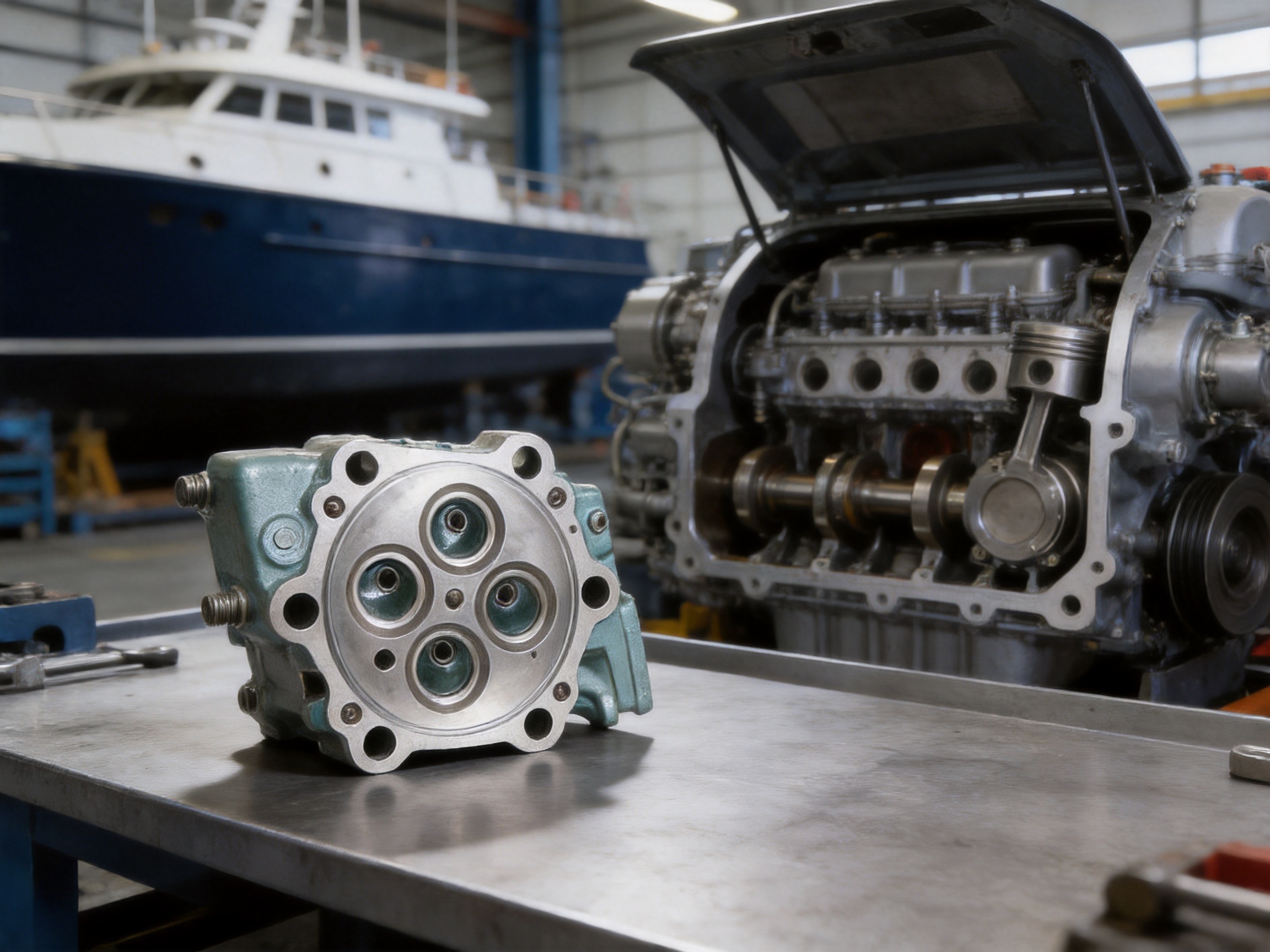
Manufacturing Experience and Production Capability
Zhoushan Putuo Dongfang Machinery Co., Ltd. was founded in 1996 and has more than two decades of experience in imported and domestic marine diesel engine components. The company is located in the Shenjiamen Pingyang Industrial Zone of Zhoushan, Zhejiang Province, an area with convenient land, sea, and air transportation.
The company occupies more than 8,000 square meters and operates a workshop of more than 5,000 square meters. Its annual production exceeds 5,000 sets. This scale supports the manufacture of replacement components for different marine engine applications while maintaining a specialized focus on engine parts.
Production capacity is important for shipowners and distributors because spare-parts requirements are often time-sensitive. A vessel may have a limited maintenance window, and a delayed component can affect the entire repair schedule. A manufacturer with established workshops, trained personnel, production records, and multiple product categories is better positioned to support repeat orders and planned procurement.
Material and Casting Considerations
The foundation of a reliable cylinder head is a sound material and casting process. The casting must produce a stable component with suitable internal structure, sufficient strength, and properly formed cooling passages. Poor control during casting can result in porosity, inclusions, dimensional distortion, or defects that become visible only after machining or service.
For a marine cylinder head, the material must tolerate mechanical stress, combustion heat, and repeated thermal expansion. The design must also accommodate the different temperature zones around the combustion chamber, valve seats, injector area, and cooling passages. Manufacturing personnel must therefore pay attention to mold preparation, metal quality, pouring conditions, cooling behavior, and casting inspection.
After casting, the component may undergo cleaning, surface preparation, heat treatment or stabilization procedures where specified by the manufacturing process, and preliminary inspection. The objective is to prepare a stable blank for accurate machining while identifying defects before additional value is added.
Machining Accuracy
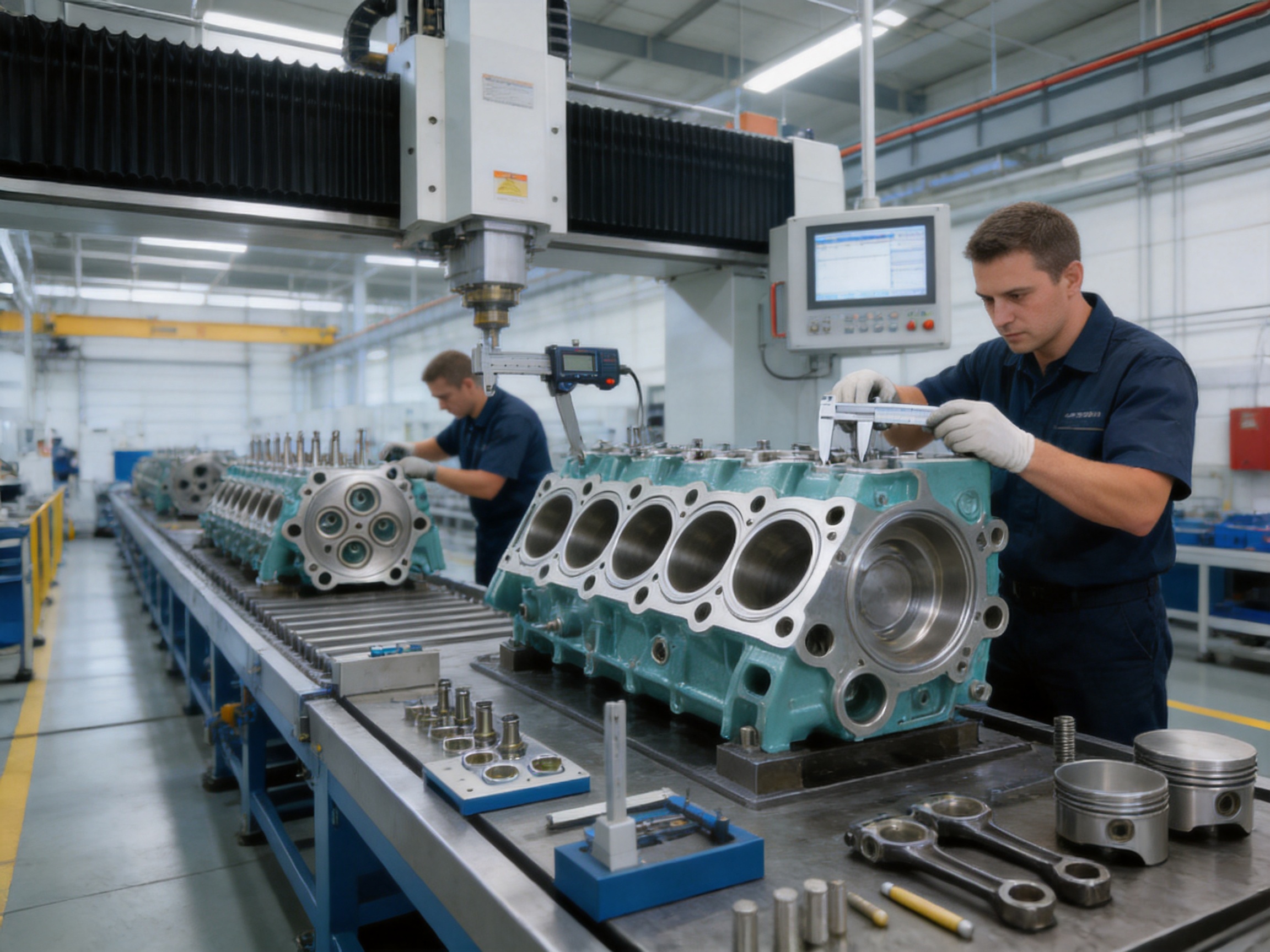
Machining converts the cast component into a functional cylinder head. This stage includes the preparation of mounting faces, holes, bores, threaded locations, valve-related interfaces, and other application-specific surfaces. The accuracy of these features directly affects sealing, alignment, valve operation, injector installation, and assembly with the engine block.
The cylinder-head mounting surface requires particular attention. If the surface is not sufficiently flat or has unacceptable roughness, the head gasket may fail to seal correctly. Excessive variation can also alter compression-space geometry or create local stress concentrations. Controlled machining and inspection help ensure that the surface is suitable for installation.
Valve seats and guides must be located accurately in relation to the valve train. Correct alignment supports stable valve movement and reliable contact between the valve and seat. This affects compression, gas flow, heat transfer, and the engine’s ability to maintain efficient combustion.
Threaded holes and mounting points must also be properly formed and protected. Damaged threads can delay assembly and require additional repair work. Correct machining reduces installation complications and supports the use of approved fasteners and torque procedures.
Inspection and Process Control
Inspection should take place at multiple stages rather than only at the end of production. Incoming material and casting condition can be reviewed before machining. Critical dimensions can be checked during machining. Finished surfaces, bores, ports, and mounting features can be examined before packing.
Depending on the application and customer requirements, inspection may include dimensional measurement, visual examination, pressure testing of relevant passages, hardness checks, surface inspection, and verification against drawings or approved reference samples. The exact inspection plan should be confirmed for each product and order.
Traceability is also important. Product references, production records, inspection information, and shipment documentation help connect the finished cylinder head with its manufacturing history. This information can support distributor inventory control, customer audits, and future technical discussions.
Final Preparation and Packaging
A cylinder head must be protected after machining. Machined surfaces can be vulnerable to impact, corrosion, and contamination during storage or transport. Appropriate cleaning, rust prevention, protective covers, and strong packaging help preserve the component’s condition until installation.
Marine spare parts may travel by road, sea, or air before reaching the end user. Packaging must therefore account for vibration, handling, moisture, and changes in storage conditions. Correct labeling should identify the product model, reference alias, quantity, and any handling instructions required by the customer.
Good packaging is an extension of manufacturing quality. A correctly produced cylinder head can still become unsuitable if its sealing face is scratched, its threads are damaged, or its internal passages are contaminated during transport. Careful shipment preparation helps reduce such risks.
Performance Benefits in Service
Restored Compression Sealing
The cylinder head and gasket form a critical seal around the combustion chamber. Correct sealing allows the piston to compress the air charge and enables combustion pressure to be converted into useful mechanical power. If sealing is poor, compression may escape, causing hard starting, uneven running, reduced output, and increased exhaust smoke.
A properly matched replacement head provides the dimensional foundation for restoring this sealing function. The engine block and gasket must also be in suitable condition. Before installation, the block surface should be cleaned and inspected, and any distortion or damage should be addressed according to the engine manufacturer’s service procedures.
Improved Valve-System Support
Valves control the movement of intake air and exhaust gases. The cylinder head supports the valve seats, guides, springs, and associated components. When these parts are correctly installed and aligned, the engine can maintain more stable gas flow and combustion behavior.
The Z280-ET is intended to work with the compatible valve-system arrangement of the applicable engine. During overhaul, technicians should inspect valve stems, guide clearances, seat condition, spring performance, retainers, and contact patterns. Replacing the cylinder head without addressing severely worn related parts may prevent the engine from achieving the expected result.
Cooling-System Function
Cooling passages within the cylinder head help control temperature around the combustion chamber and valve areas. Stable cooling is necessary to reduce thermal stress and prevent localized overheating. A replacement head with properly formed and clean passages supports the intended flow of coolant through the upper engine.
Before installation, the cooling system should be examined for scale, corrosion products, restricted hoses, defective pumps, blocked passages, and incorrect coolant concentration. A new cylinder head cannot compensate for a damaged or poorly maintained cooling system. Correct system flushing and commissioning are essential parts of the replacement process.
Support for Fuel-Injection Components
The cylinder head commonly provides the mounting and sealing interfaces for fuel-injection equipment. Injector position and sealing have a direct effect on the spray pattern, combustion quality, and thermal load within the cylinder. The injector seat and related surfaces must therefore be clean, undamaged, and correctly aligned.
During installation, technicians should verify injector specifications, sealing washers, tightening procedures, and protrusion requirements. Any signs of leakage, carbon buildup, or abnormal injector operation should be investigated promptly after commissioning.
Advantages Over Less Specialized Alternatives
Not all aftermarket cylinder heads provide the same level of value. A general-purpose supplier may offer a visually similar casting without detailed knowledge of marine engine operating conditions. Such products may create uncertainty regarding dimensions, material consistency, cooling passages, valve interfaces, and long-term support.
The Z280-ET has several practical advantages over less specialized alternatives:
It is associated with a manufacturer dedicated to marine diesel engine components. This specialization supports a deeper understanding of marine maintenance requirements and related engine parts.
It has a defined product model and reference alias, which helps reduce confusion during procurement and inventory management.
It is supported by a company with experience in both imported and domestic marine diesel engines, allowing the manufacturer to work across a broad range of replacement-part requirements.
It forms part of a wider component portfolio, making it easier to coordinate cylinder head work with valves, guides, seats, liners, pistons, connecting rods, and other overhaul parts.
It is produced within an established quality-management framework, supported by ISO 9001 certification obtained in 2001.
It is manufactured in a facility with a substantial workshop area and annual production exceeding 5,000 sets, supporting repeat orders and commercial distribution.
These advantages do not mean that every application can be confirmed without technical review. The correct comparison is always between a verified component and the precise engine requirement. Nevertheless, specialized experience and controlled production provide a stronger foundation than an unverified generic substitute.
Installation and Maintenance Recommendations
Confirming the Correct Application
Before ordering, compare the Z280-ET and L28-32A-106 references with the engine’s spare-parts manual, maintenance records, and existing component. Confirm the engine model, serial number, cylinder arrangement, and required quantity. If there is uncertainty, provide photographs, drawings, or measurements to the supplier for technical review.
Do not rely only on external appearance. Cylinder heads that look similar may differ in cooling passages, injector openings, valve dimensions, mounting holes, or combustion-chamber geometry.
Preparing the Engine
Remove the damaged cylinder head according to the approved service procedure. Protect open cylinders and oil or coolant passages from dirt. Thoroughly clean the engine-block surface without creating scratches or removing material unnecessarily.
Check the block for flatness, corrosion, erosion, cracks, damaged threads, and foreign material. Inspect the head bolts or studs and replace components that do not meet the required condition. Examine the gasket surface and confirm that the selected gasket is appropriate for the engine application.
Inspecting the Replacement Head
Before assembly, inspect the replacement cylinder head for transport damage, contamination, corrosion, blocked passages, damaged threads, and visible surface irregularities. Confirm that all required openings, plugs, seats, guides, and fittings correspond to the application.
If valves, seats, guides, injectors, or other parts are supplied separately, verify their dimensions and condition before installation. Measure critical clearances according to the applicable engine service instructions.
Assembly and Torque Control
Use a new and correct head gasket unless the engine manufacturer’s procedure specifies otherwise. Follow the correct tightening sequence and torque values. Where required, use calibrated tools and apply the specified tightening stages, angle procedures, lubrication conditions, and retightening instructions.
Incorrect tightening can produce distortion, leakage, fastener damage, or premature gasket failure. Excessive torque is not a substitute for correct sealing, while insufficient torque may allow combustion gases or coolant to escape.
Commissioning
After assembly, refill and bleed the cooling system as required. Check lubrication levels, fuel-system connections, injector installation, valve clearances, and all external fittings. Rotate the engine manually where appropriate before starting.
During the initial run, monitor coolant temperature, oil pressure, exhaust temperature, smoke, noise, vibration, and visible leakage. Recheck the cooling system and head area after the engine reaches operating temperature. Any abnormal result should be investigated before the engine returns to full service.
Procurement Benefits for Shipowners and Distributors
Marine operators need more than a component that can be purchased once. They need predictable supply, clear references, responsive communication, and a supplier capable of supporting future maintenance requirements. The Z280-ET is suitable for planned procurement programs because its model and alias can be included in spare-parts lists, overhaul schedules, and inventory systems.
Shipowners can use the product for scheduled cylinder head replacement, dry-docking projects, preventive maintenance, or emergency stock. Distributors can include it in application-specific catalogs for compatible Yanmar marine diesel engine parts. Repair yards can use it as part of a broader overhaul package involving valves, seats, guides, liners, pistons, and connecting components.
The manufacturer’s location in Zhoushan also supports access to important marine transportation routes. The company’s stated transportation advantages by land, sea, and air can assist customers with different delivery requirements, although actual lead times and shipping arrangements should be confirmed for each order.
For repeat buyers, it is useful to establish a technical file containing the engine model, serial range, previous purchase records, drawings, inspection requirements, packaging preferences, and delivery history. This information can make future orders more efficient and reduce the risk of selecting an incorrect variation.
Quality, Service, and Long-Term Cooperation
Technical quality and customer service are closely connected in the marine spare-parts industry. A cylinder head is a critical component, but its success depends on accurate communication before purchase, careful handling during delivery, and correct installation after receipt.
The company’s business philosophy emphasizes integrity, practical operation, continuous improvement, quality-first standards, reasonable pricing, and dedicated service. These principles are relevant to marine customers because maintenance decisions are often made under time pressure and financial constraints.
A reliable supplier should be prepared to discuss application details, clarify reference numbers, provide available technical information, coordinate inspection requirements, and respond to questions about packaging or delivery. When a product is part of a larger overhaul, communication regarding related components can also help the customer build a complete and compatible repair plan.
Long-term cooperation is especially valuable for fleets and distributors. Repeated purchasing creates a basis for demand forecasting, stocking agreements, standardized inspection, and improved delivery planning. It also allows the supplier to understand the customer’s engine population and typical maintenance requirements.
Recommended Inspection Checklist
| Inspection Area | Recommended Check |
|---|---|
| Product identity | Confirm model Z280-ET and reference alias L28-32A-106 against the purchase order. |
| Application | Verify compatibility with the engine model and serial number. |
| Packaging | Check for impact, moisture, corrosion, or damaged protective materials. |
| Mounting surface | Inspect cleanliness, flatness, surface condition, and visible damage. |
| Cooling passages | Check for blockage, casting residue, contamination, or corrosion. |
| Valve interfaces | Verify seats, guides, bores, and related dimensions where applicable. |
| Threaded holes | Check threads for damage and contamination. |
| Injector interface | Confirm correct opening, sealing surface, and application arrangement. |
| Documentation | Retain inspection records, delivery documents, and installation information. |
Frequently Asked Questions
What is the Z280-ET?
The Z280-ET is an aftermarket replacement cylinder head for selected Yanmar marine diesel engine applications. It is also identified by the reference alias L28-32A-106.
Is the Z280-ET an original equipment component?
The product is presented as a high-quality aftermarket replacement component. It is manufactured by Zhoushan Putuo Dongfang Machinery Co., Ltd. Customers should verify the required specification and application before purchase.
How can compatibility be confirmed?
Compatibility should be confirmed using the engine model, serial number, existing cylinder head reference, technical drawings, dimensions, and application details. Buyers can provide photographs or maintenance records to support technical review.
What marine engines is this cylinder head intended for?
The supplied product information identifies the Z280-ET as compatible with selected Yanmar marine diesel engine applications. The exact engine model should be confirmed before ordering.
What is the relationship between Z280-ET and L28-32A-106?
Z280-ET is the product model, while L28-32A-106 is listed as the product alias or reference number. Both references should be retained in purchasing and inventory records.
What are the principal functions of a cylinder head?
A cylinder head closes the top of the cylinder, forms part of the combustion chamber, supports valves and fuel-injection equipment, contains cooling passages, and helps seal combustion pressure, coolant, and lubricating oil.
That depends on the condition of the engine. During replacement, technicians should inspect the gasket, valves, guides, seats, injectors, fasteners, cooling passages, and engine-block surface. Worn or damaged related parts may need to be repaired or replaced.
Why is cooling-system inspection important?
The cylinder head operates under high thermal stress. Blocked passages, poor coolant flow, scale, corrosion, or an incorrectly maintained cooling system can cause overheating and reduce the service life of the replacement head.
Does ISO 9001 certification guarantee installation success?
ISO 9001 certification indicates a formal quality-management framework, but successful installation also depends on correct application selection, inspection, gasket choice, torque control, valve adjustment, cooling-system condition, and commissioning.
What other components does the manufacturer supply?
The company specializes in cylinder heads, cylinder liners, valves, valve seats, valve cages and guides, connecting rods, piston pins, and piston heads for imported and domestic marine diesel engines.
Is the Z280-ET suitable for emergency replacement?
It may be considered for emergency replacement when the application has been verified and the component can be delivered within the required time. Emergency buyers should provide complete engine information to avoid ordering an incorrect variation.
How should the cylinder head be stored before installation?
Store it in a clean, dry, protected environment. Keep machined surfaces covered, prevent contact with corrosive materials, avoid impact, and follow any preservation instructions supplied with the product.
What information should be included in an inquiry?
An inquiry should include the product reference, engine model, engine serial number, required quantity, delivery destination, desired inspection documents, and any special packaging or shipping requirements.
Conclusion
The Z280-ET replacement cylinder head provides a practical solution for selected Yanmar marine diesel engine applications. Identified also by the alias L28-32A-106, it is designed for customers seeking a specialized aftermarket component supported by marine-engine manufacturing experience.
Its main advantages include application-focused compatibility, cost-effective replacement value, suitability for demanding marine service, integration with a broad spare-parts range, controlled production, and support from an ISO 9001-certified quality-management system. The manufacturer’s experience since 1996, production facilities in Zhoushan, annual output of more than 5,000 sets, and specialization in imported and domestic marine diesel engine components provide a strong foundation for commercial and maintenance customers.
As with any critical engine component, the correct result depends on more than the product alone. Buyers should verify the engine application, inspect the component on arrival, prepare the engine surfaces carefully, use the correct gasket and fasteners, follow approved torque procedures, and monitor the engine during commissioning.
For shipowners, repair yards, distributors, and fleet maintenance departments, the Z280-ET can support planned overhauls, emergency replacement strategies, and long-term spare-parts management. Its value lies in combining replacement functionality with specialized manufacturing experience, practical service support, and the broader capabilities of a marine diesel engine component supplier.
References
1. Product information supplied for the Z280-ET replacement cylinder head, reference alias L28-32A-106.
2. Manufacturer information supplied by Zhoushan Putuo Dongfang Machinery Co., Ltd., including company history, production scope, facilities, and quality-management background.
3. General marine diesel engine maintenance principles concerning cylinder head sealing, valve operation, cooling passages, injector interfaces, and installation inspection.
4. ISO 9001 quality-management principles relating to production control, process documentation, inspection, traceability, and continuous improvement.
5. General engineering practice for marine diesel engine overhaul, cylinder head replacement, gasket installation, torque control, cooling-system maintenance, and commissioning.