عربى

Content
- 1 Product Overview
- 2 Why Cylinder Head Quality Matters in Marine Engines
- 3 Advantages of the L28/32A Replacement Cylinder Head
- 4 Manufacturing Experience and Technical Strength
- 5 Production Process from Order to Delivery
- 6 Comparison with Other Replacement Options
- 7 Installation and Maintenance Considerations
- 8 Performance Benefits for Shipowners and Operators
- 9 Supplier Capabilities and Customer Service
- 10 Applications in Marine and Industrial Environments
- 11 Quality-Focused Manufacturing as a Competitive Advantage
- 12 Recommended Procurement Checklist
- 13 Frequently Asked Questions
- 13.1 What is the L28/32A replacement cylinder head used for?
- 13.2 Is this cylinder head an original equipment part?
- 13.3 Why choose a specialized aftermarket cylinder head?
- 13.4 Can the cylinder head be used for every MAN marine diesel engine?
- 13.5 What information is needed for quotation and confirmation?
- 13.6 What quality controls are important for a cylinder head?
- 13.7 Why are cooling passages important?
- 13.8 Should related engine parts be replaced at the same time?
- 13.9 How does an aftermarket cylinder head help reduce downtime?
- 13.10 Can the supplier provide other marine diesel engine components?
- 13.11 How should the replacement be stored before installation?
- 13.12 What should be checked after installation?
- 14 Conclusion
- 15 References
- 16 Product: L28/32A
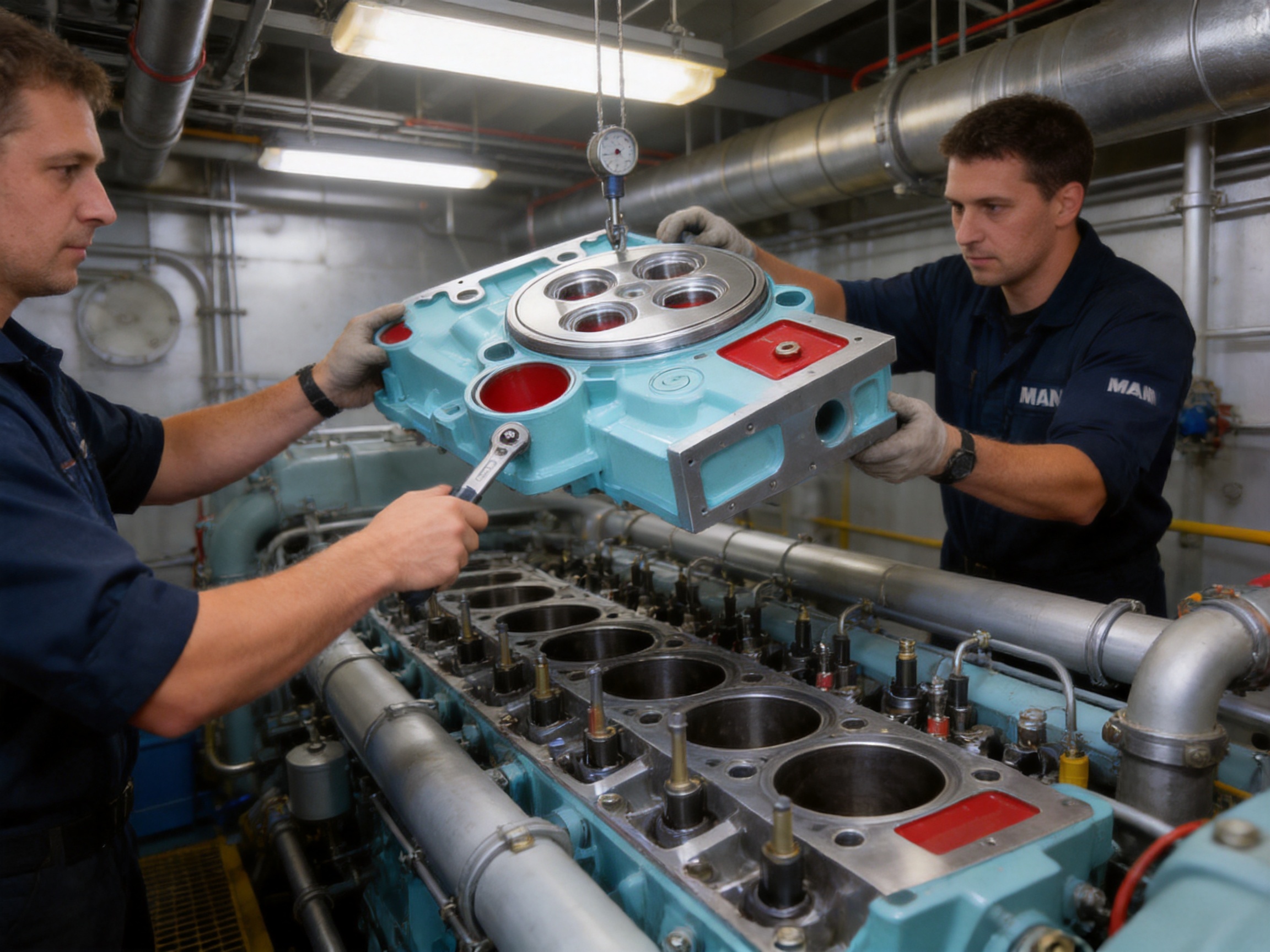
Marine diesel engines operate under demanding conditions where reliability, dimensional accuracy, cooling performance, and combustion stability are essential. A cylinder head is one of the most important structural and functional components within the engine. It closes the top of the cylinder, forms the combustion chamber, supports critical valve-train components, and provides passages for cooling water, lubricating oil, intake air, and exhaust gas. When the cylinder head is worn, cracked, distorted, or damaged, the engine can experience loss of compression, overheating, increased fuel consumption, unstable operation, and unplanned downtime.
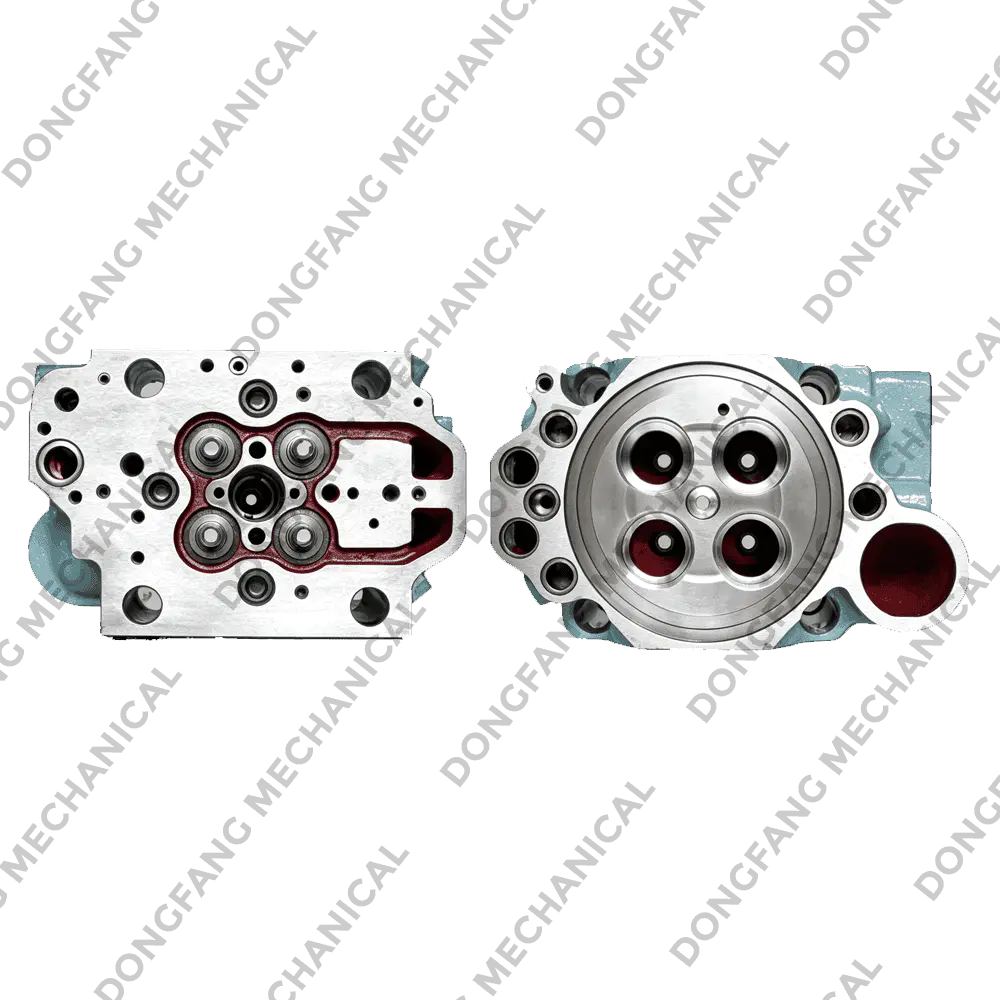
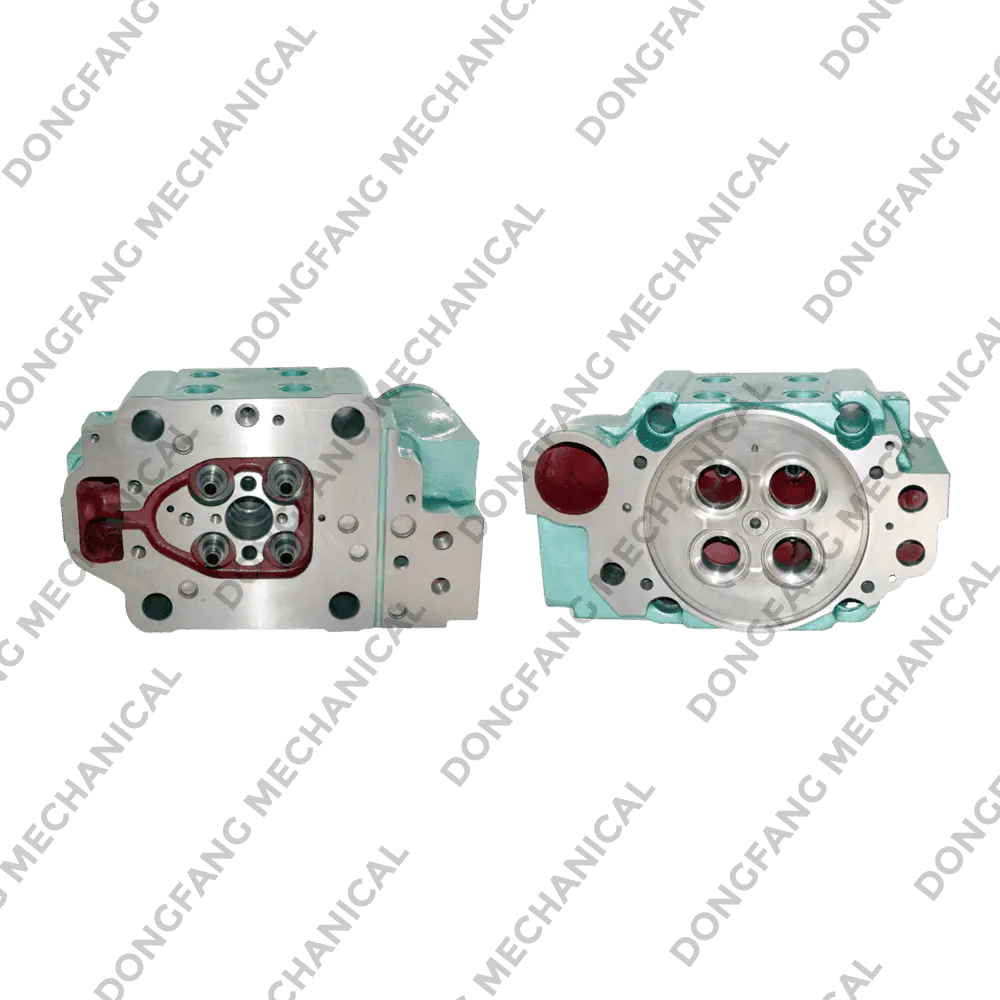
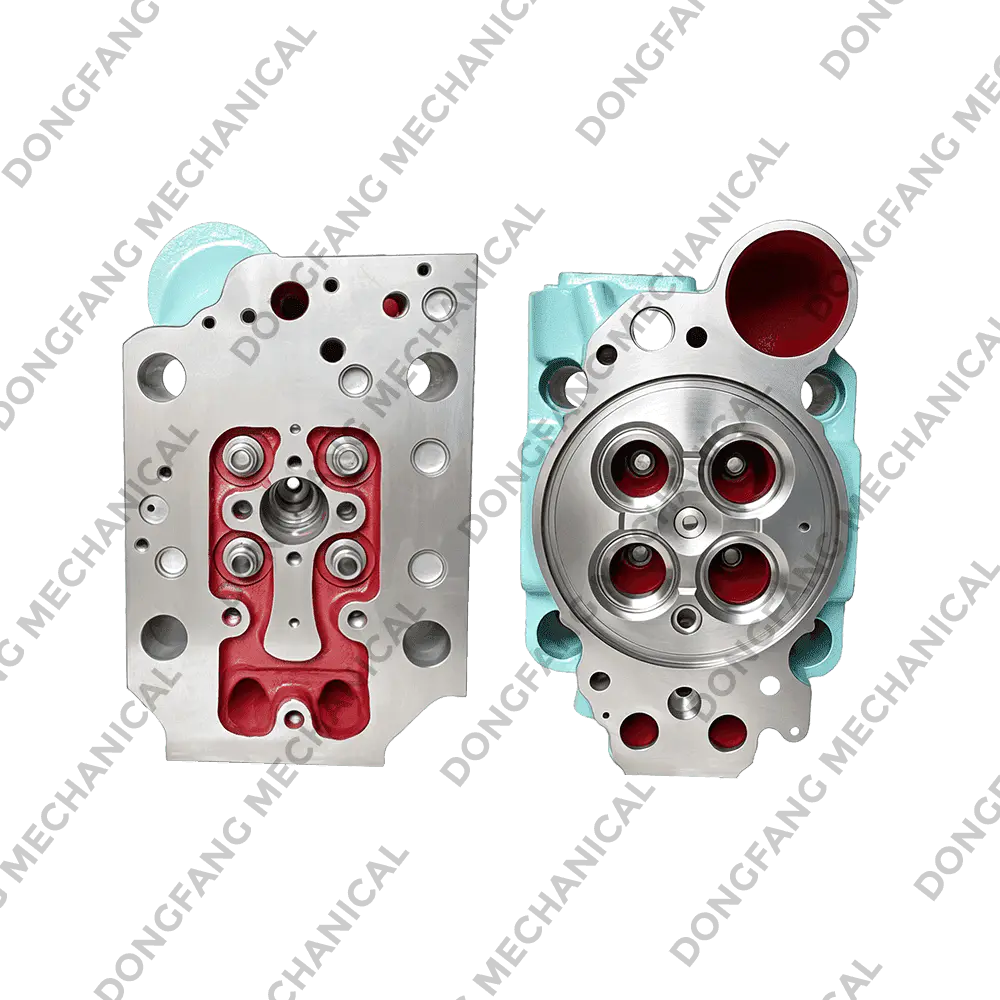
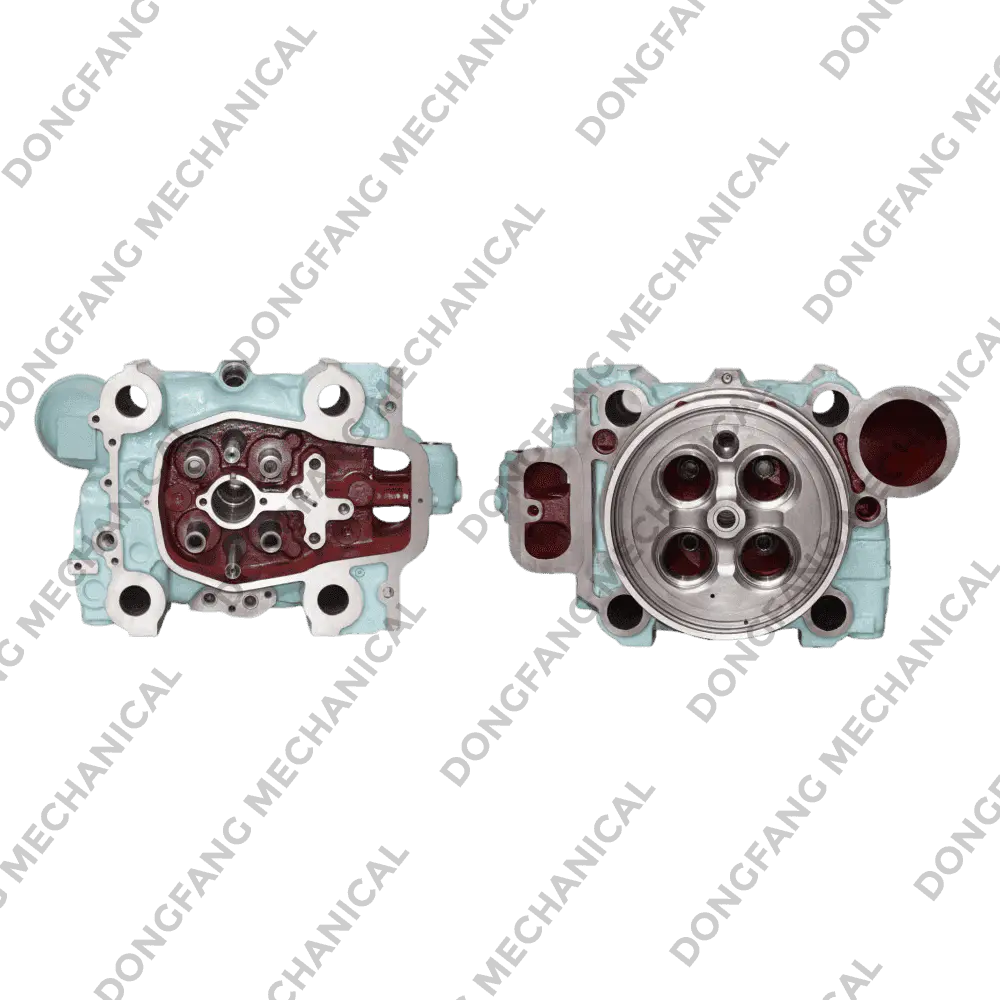
The L28/32A replacement cylinder head is designed for use with compatible MAN marine diesel engine applications. It is manufactured as an aftermarket replacement component for shipowners, marine maintenance companies, engine repair workshops, distributors, and power-generation operators seeking dependable performance without the cost and lead time associated with a complete engine replacement. The product is developed around the dimensional and functional requirements of the original engine design, helping maintenance teams restore engine operation efficiently.
Produced by Zhoushan Putuo Dongfang Machinery Co., Ltd., the L28/32A cylinder head benefits from more than two decades of experience in manufacturing imported and domestic marine diesel engine components. The company specializes in cylinder heads, cylinder liners, valves, valve seats, valve cages, valve guides, connecting rods, piston pins, and piston heads. Its production capabilities, quality-management experience, and marine-engine specialization provide a practical foundation for supplying replacement parts to demanding industrial customers.
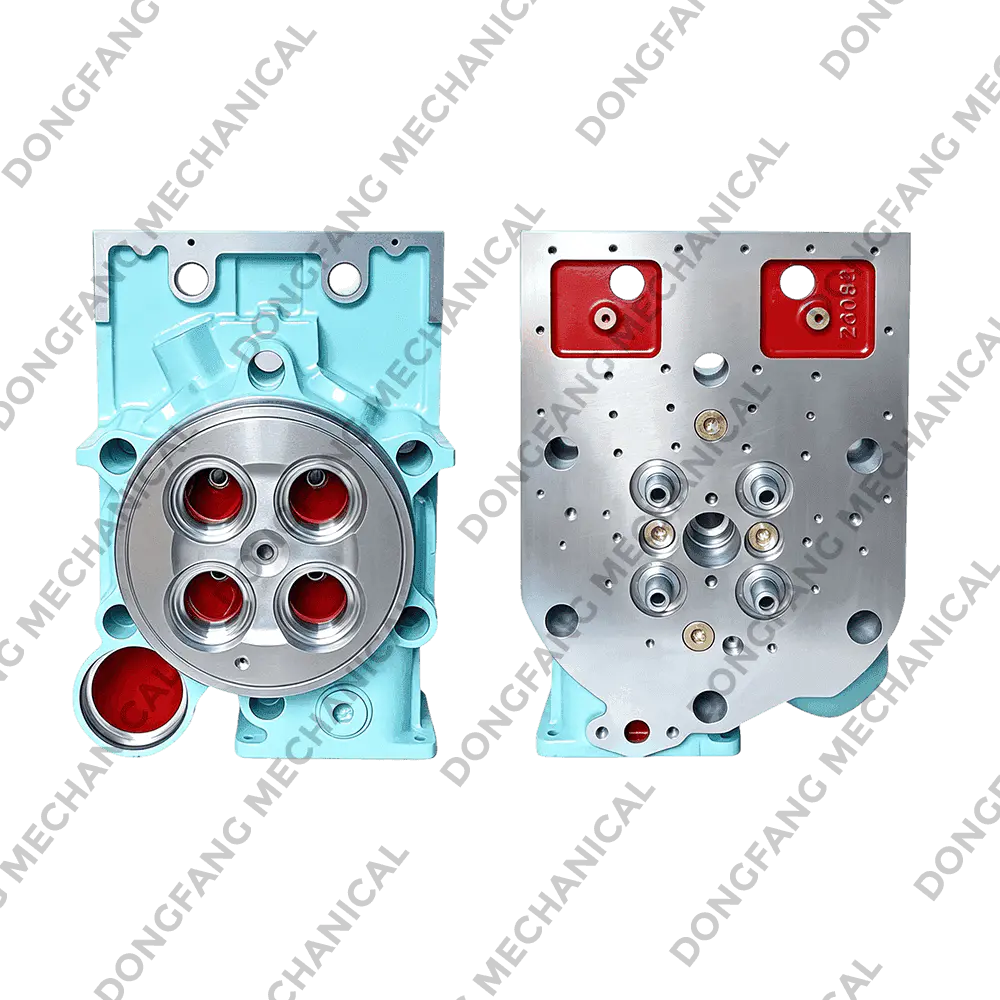
L28/32A
Product Overview
The L28/32A cylinder head is a replacement spare part intended for compatible MAN marine diesel engine systems. Its principal purpose is to restore the upper sealing and combustion area of the engine while maintaining the correct relationship among the cylinder liner, piston, valves, fuel-injection equipment, and exhaust and intake systems.
Although a cylinder head may appear to be a single metal casting or machined component, it contains several highly engineered features. These can include valve-seat locations, valve-guide bores, injector mounting areas, cooling passages, sealing surfaces, bolt holes, oil passages, and contact areas for associated components. Each feature must be manufactured within suitable dimensional tolerances so that the completed assembly can operate safely under high temperature and pressure.
The L28/32A replacement unit is therefore more than a basic metal substitute. It is a component designed to support the thermal, mechanical, and sealing requirements of a marine diesel engine. Properly selected and installed, it can help maintenance personnel return an engine to stable service while reducing the risks associated with improvised repairs or poorly matched components.
Primary Application
The product is categorized as a replacement cylinder head compatible with MAN marine diesel engines. Compatibility should always be confirmed against the engine model, component number, drawing, dimensions, installation configuration, and technical documentation before purchase or installation. Engine variants may differ in valve arrangement, injector configuration, cooling passage layout, mounting dimensions, and auxiliary-component interfaces.
For international buyers, the product is particularly suitable for planned overhauls, emergency maintenance inventories, shipyard repairs, engine-room refurbishment, and replacement programs involving multiple vessels. It can also be considered by distributors that need a dependable aftermarket option for marine diesel engine components.
Key Functional Responsibilities
The cylinder head performs several functions simultaneously. First, it completes the combustion chamber and must provide a reliable pressure seal during every combustion cycle. Second, it carries or supports valves and related components that control the movement of intake air and exhaust gas. Third, it transfers heat away from high-temperature zones through its cooling passages. Fourth, it provides connection points for fuel-injection and exhaust components. Finally, it must maintain structural stability despite repeated thermal expansion and contraction.
Failure in any one of these functions can affect the entire engine. A damaged sealing surface may allow combustion gases to escape. A distorted valve-seat area may prevent proper valve sealing. A blocked or damaged cooling passage may create localized overheating. A poorly aligned injector mounting area may interfere with fuel injection and combustion. The replacement cylinder head must therefore be produced with careful attention to both material integrity and machining accuracy.
Why Cylinder Head Quality Matters in Marine Engines
Marine engines often operate for long periods at continuous or high load. Unlike many automotive applications, a marine propulsion or auxiliary engine may be required to run for many hours with limited opportunity for immediate repair. The surrounding environment can also introduce additional challenges, including salt air, high humidity, vibration, variable load, restricted maintenance windows, and limited access to spare parts while a vessel is underway.
These conditions make the quality of replacement components especially important. A low-quality cylinder head may create installation problems, premature leakage, uneven valve contact, or reduced service life. In contrast, a properly manufactured replacement component can support predictable maintenance planning and help reduce the possibility of repeated disassembly.
The cylinder head also influences operating efficiency. Correct valve seating supports compression and gas exchange. Stable cooling performance helps control thermal stress. Accurate injector and valve alignment helps maintain combustion quality. When these factors are combined, the engine can operate more consistently, with fewer symptoms such as excessive exhaust temperature, smoke, hard starting, abnormal noise, or fluctuating power output.
Consequences of Using an Unsuitable Replacement
An unsuitable cylinder head may appear acceptable during a visual inspection but still contain critical problems. The mounting dimensions may be slightly incorrect, the cooling passages may not align, the valve-guide bores may be outside the required tolerance, or the sealing face may not be sufficiently flat. These issues can become visible only after the engine is assembled and operated.
Potential consequences include coolant leakage, combustion-gas leakage, valve-train wear, poor fuel atomization, increased exhaust temperature, abnormal vibration, and premature failure of related components. In a marine environment, these failures can produce costly downtime and may affect vessel scheduling, cargo operations, or auxiliary power availability.
For this reason, selecting a specialized marine diesel component manufacturer is often more practical than choosing a general-purpose casting supplier. Marine-engine parts require an understanding of engine construction, service conditions, overhaul procedures, and the relationship between individual components.
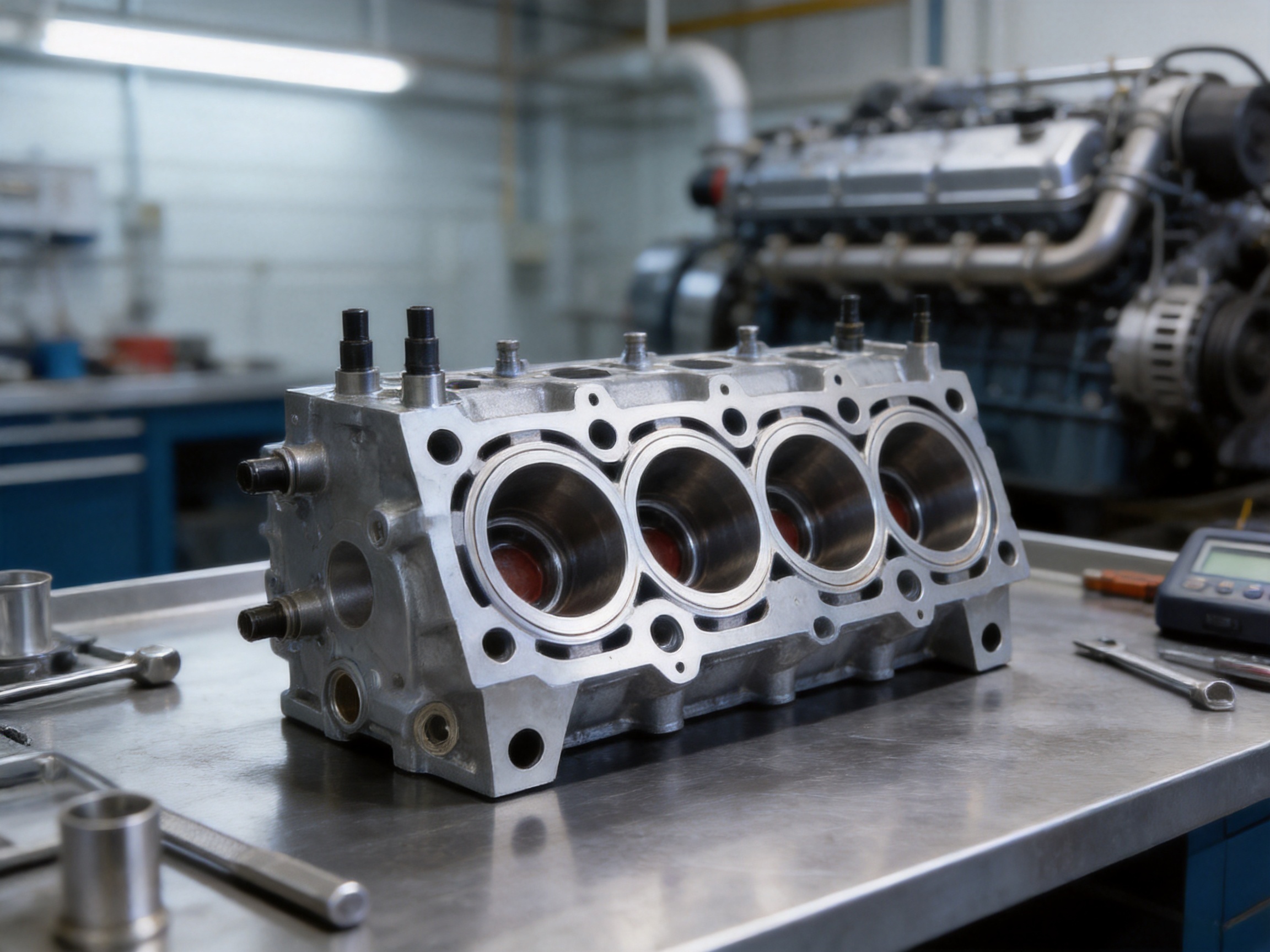
Advantages of the L28/32A Replacement Cylinder Head
Compatibility-Oriented Design
The L28/32A cylinder head is developed for compatibility with the relevant MAN marine diesel engine application. This compatibility-oriented approach helps maintenance teams focus on a replacement component that is intended to match the original installation environment rather than adapting a general industrial component.
A suitable replacement should match the required external dimensions, mounting points, sealing arrangements, valve-train interfaces, fuel-injection provisions, and cooling-system connections. The product is positioned as a replacement spare part for this type of application, while final verification remains important for every engine installation.
Aftermarket Value
One of the main benefits of a high-quality aftermarket cylinder head is the possibility of reducing maintenance expenditure while preserving functional requirements. Original equipment components can be valuable but may involve high purchase prices, long supply chains, or restricted availability. A qualified aftermarket alternative can provide another sourcing option for shipowners and repair organizations.
Cost savings should not be achieved by reducing essential quality controls. The practical value of the L28/32A replacement cylinder head comes from combining aftermarket pricing with manufacturing experience, controlled machining, inspection, and product knowledge. This approach allows customers to manage overhaul budgets while still selecting a component intended for demanding diesel-engine service.
Support for Planned Maintenance
Marine maintenance is more efficient when replacement parts can be ordered and prepared before a major overhaul begins. A replacement cylinder head can be stocked as part of a planned spare-parts program or purchased in advance according to the vessel’s maintenance schedule.
Having the correct cylinder head available can shorten repair time. It may eliminate the need to wait for extensive crack repair, welding, pressure testing, or remachining of a severely damaged original component. In some cases, the removed cylinder head can be sent for evaluation while the replacement is prepared for installation, helping the vessel or facility return to operation sooner.
Integration with Related Components
A cylinder head does not operate independently. Its performance depends on its relationship with valves, valve seats, valve guides, injectors, gaskets, cylinder liners, pistons, and cooling systems. A manufacturer that produces several of these related components can offer a more coordinated approach to maintenance.
Zhoushan Putuo Dongfang Machinery Co., Ltd. manufactures a broad range of marine diesel engine components, including cylinder liners, valves, valve seats, valve cages and guides, connecting rods, piston pins, and piston heads. This product range supports customers that prefer to source multiple overhaul components from a specialized supplier with experience across the engine assembly.
Suitability for International Supply
Marine engines are used by shipowners, operators, shipyards, and power-generation facilities in many regions. A replacement component supplier must therefore be able to communicate clearly about product categories, model compatibility, manufacturing status, inspection requirements, packaging, and delivery arrangements.
The company’s location in Zhoushan, Zhejiang Province, provides access to a major maritime region with established land, sea, and air transportation connections. This is valuable for a manufacturer serving marine customers because efficient logistics can be as important as production capability when a vessel requires urgent maintenance support.
Manufacturing Experience and Technical Strength
Zhoushan Putuo Dongfang Machinery Co., Ltd. was founded in 1996 and has focused on imported and domestic marine diesel engine components for more than 20 years. This specialization provides practical experience in the production requirements associated with engine parts that must function under high thermal and mechanical loads.
The company has obtained ISO 9001 certification and has been rated as an AAA-level enterprise. These credentials indicate an established commitment to organized management and quality-related procedures. Certification alone cannot replace product inspection or application verification, but it provides evidence that the manufacturer has developed a formal framework for controlling business and production activities.
The company operates across an area of more than 8,000 square meters, including a workshop of more than 5,000 square meters. Its stated annual production capacity exceeds 5,000 sets. This scale can support both regular production and repeat orders for distributors, shipowners, and maintenance contractors.
Material and Casting Considerations
The first stage in producing a reliable cylinder head is selecting a suitable material and creating a sound base component. The material must tolerate repeated thermal cycling, combustion pressure, mechanical loading, and contact with the engine’s cooling medium. The casting or forming process must minimize defects that could later develop into cracks, leakage paths, or machining instability.
Depending on the approved product specification, manufacturing controls may include inspection of incoming material, verification of chemical composition, control of melting and pouring conditions, monitoring of solidification, and visual examination of the finished casting. Internal quality may be evaluated through appropriate non-destructive testing or pressure-testing procedures when required by the technical specification.
For a cylinder head, the quality of internal passages is especially important. A defect that is not visible on the exterior may affect cooling flow or create a future leakage path. Controlled production and inspection help reduce the risk that such defects will reach the installation stage.
Machining Accuracy
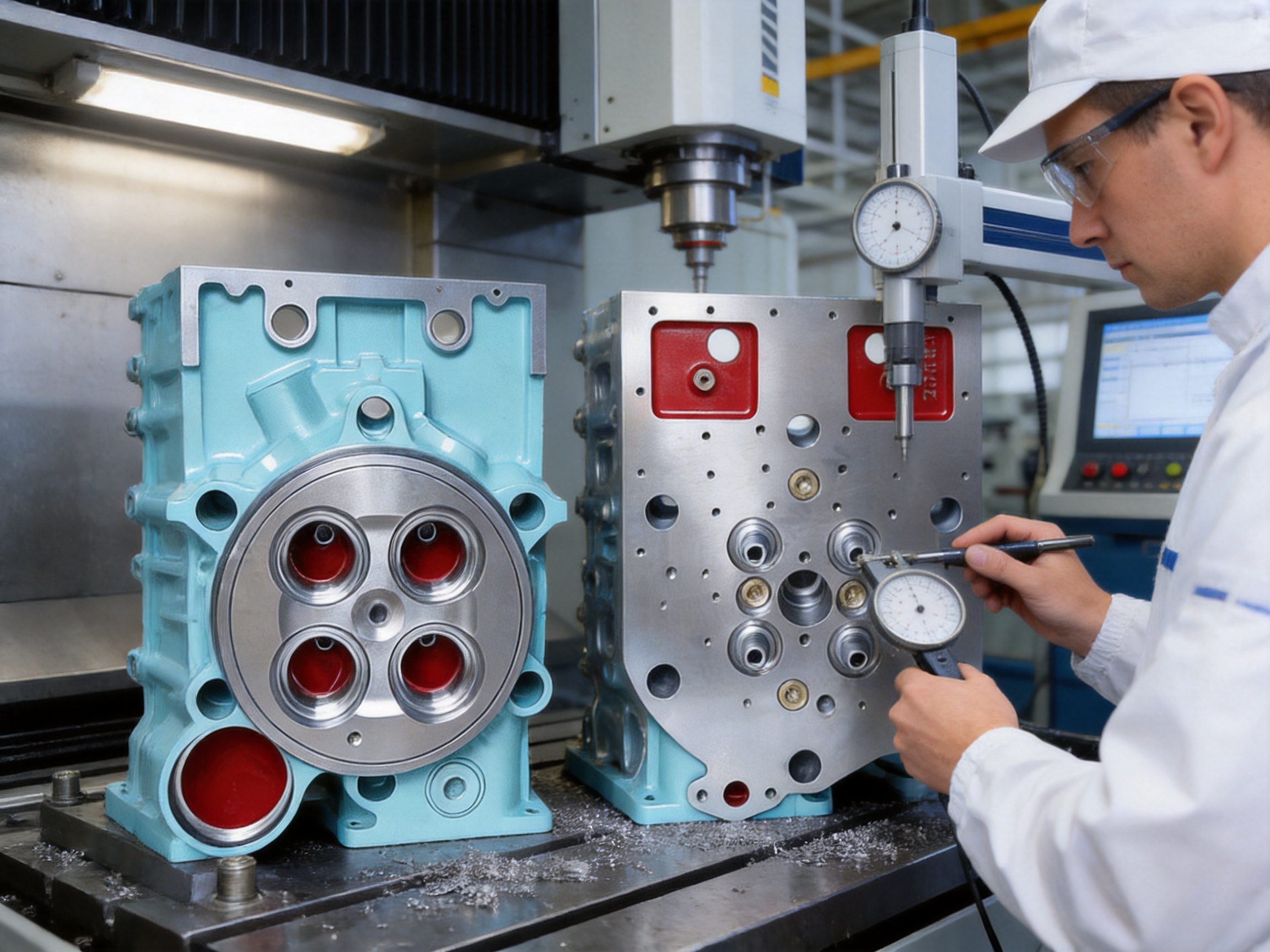
After casting or forming, the cylinder head requires precision machining. Critical areas can include the main sealing face, mounting holes, valve-guide bores, valve-seat locations, injector mounting surfaces, exhaust and intake interfaces, and threaded holes. These features must be positioned correctly relative to one another.
Machining accuracy affects assembly quality in several ways. A flat and correctly finished sealing surface supports gasket performance. Accurate valve-guide and valve-seat locations support concentric valve contact. Properly positioned mounting holes allow the head to sit correctly on the cylinder liner or engine structure. Correct injector alignment supports the intended fuel-injection position.
Advanced equipment and experienced operators are important because the manufacturing process must balance dimensional accuracy, surface finish, material removal, and thermal stability. Excessive machining can weaken a contact area or alter a critical dimension, while insufficient machining can leave defects, distortion, or an unsuitable surface.
Inspection and Quality Control
Quality control should continue throughout the production process rather than being limited to final inspection. Process checks can identify dimensional deviations before additional machining or finishing work is completed. Final inspections can then confirm that the finished component meets the required drawings, technical specifications, and customer requirements.
Typical inspection activities for a cylinder head may include dimensional measurement, visual examination, verification of machined surfaces, inspection of threaded holes, checking of valve-seat and guide locations, and pressure or leakage testing of cooling passages when applicable. The precise inspection plan should be based on the engine application and customer requirements.
A disciplined inspection system also improves repeatability. For customers ordering multiple units, repeatable measurements and documented processes help ensure that each cylinder head is consistent with the previous unit. This is important for fleet maintenance, distributor inventories, and multi-engine overhaul projects.
Production Process from Order to Delivery
Technical Confirmation
The production process begins with technical confirmation. The supplier and customer should establish the engine model, product designation, quantity, required delivery date, applicable drawings, reference component number, and any special inspection or certification requirements.
For the L28/32A cylinder head, customers should provide as much information as possible about the engine application. Useful information may include the engine nameplate, existing component markings, technical drawings, photographs, dimensions, and details of the intended overhaul. This information helps reduce the risk of supplying a component that appears similar but is not fully compatible.
Production Planning
Once the technical requirements are confirmed, production planning can determine the material route, machining schedule, inspection stages, finishing requirements, and packaging method. Production planning is particularly important for marine parts because delivery dates are often linked to dry-docking schedules or vessel operating plans.
A well-organized production schedule also helps control quality. Each stage can be assigned specific responsibilities, inspection points, and documentation requirements. This reduces the possibility that a critical operation will be overlooked during a busy production period.
Machining and Finishing
The cylinder head is machined according to the approved technical requirements. Machining may involve multiple setups because different surfaces and bores must be aligned accurately. Careful positioning is necessary to maintain the relationship among valve locations, mounting surfaces, cooling connections, and combustion-chamber features.
After machining, the component may receive cleaning, deburring, surface treatment, marking, and final preparation. Removing chips, burrs, and machining residue is important because contamination can interfere with assembly or enter the engine’s lubrication and cooling systems.
Final Verification and Packaging
Before shipment, the replacement cylinder head should be checked against the order requirements. Packaging should protect machined surfaces, threaded holes, sealing areas, and other vulnerable features from impact, corrosion, moisture, and contamination during transportation.
Appropriate packaging is especially important for international marine spare-parts shipments. The component may pass through several handling stages before reaching a shipyard or engine room. Protective materials, secure positioning, moisture control, and clear identification can help preserve the product’s condition until installation.
Comparison with Other Replacement Options
Customers typically compare several options when a cylinder head requires replacement. These may include repairing the original component, purchasing an original equipment part, selecting a general aftermarket product, or buying a specialized aftermarket replacement such as the L28/32A cylinder head.
| Replacement option | Potential benefit | Potential limitation | Best suited to |
|---|---|---|---|
| Repair of the original cylinder head | Retains the original component and may reduce immediate purchase cost | Repairability depends on crack location, distortion, remaining material, and inspection results | Components with limited, technically repairable damage |
| Original equipment replacement | Usually supported by the original design and established service documentation | May involve higher cost, longer lead time, or restricted supply | Projects requiring original sourcing and accepting the associated budget |
| General aftermarket replacement | May offer broad availability and competitive pricing | Quality, documentation, and compatibility can vary significantly among suppliers | Applications where technical verification is carefully completed |
| Specialized marine aftermarket replacement | Combines application focus, replacement value, and marine-component manufacturing experience | Compatibility still needs to be confirmed for the specific engine configuration | Shipowners, repair yards, and distributors seeking a balanced replacement solution |
The L28/32A cylinder head is positioned in the specialized aftermarket category. Its advantage is not simply that it is less expensive than an original component. Its value also comes from the supplier’s concentration on marine diesel engine parts, established manufacturing history, supporting product range, and ability to serve customers requiring replacement components for overhaul work.
Repairing an original cylinder head can be appropriate when damage is limited and the component passes all required inspections. However, repair may require welding, pressure testing, re-machining, and repeated inspection. If the original head has extensive cracking, severe distortion, corrosion, or repeated repair history, replacement may provide a more predictable maintenance solution.
Installation and Maintenance Considerations
Pre-Installation Inspection
Before installation, the replacement cylinder head should be inspected for transportation damage, corrosion, contamination, and visible defects. Machined surfaces should be clean and protected. Threaded holes and passage openings should be checked for foreign material.
The technician should compare the replacement component with the removed cylinder head and the engine documentation. Important points include mounting dimensions, valve arrangement, injector interface, cooling connections, gasket contact areas, and component identification. Any discrepancy should be resolved before assembly.
Related Component Evaluation
Installing a new cylinder head without evaluating the related components may limit the benefit of the replacement. Valves, valve seats, valve guides, springs, injectors, gaskets, cylinder-liner seating areas, and fasteners should be inspected according to the engine manufacturer’s maintenance procedure.
If valves are worn or bent, they may prevent the replacement cylinder head from achieving proper sealing. If the injector is damaged or incorrectly calibrated, combustion quality may remain poor even after the head is replaced. If the gasket or sealing surface is unsuitable, leakage can occur despite the quality of the cylinder head.
Fastening and Alignment
Correct installation requires adherence to the applicable engine service procedure. Fasteners should be inspected and replaced or reused only as permitted by the relevant technical instructions. Tightening sequence, torque, angle, lubrication condition, and final checks can all influence the load distribution across the cylinder head.
Uneven or excessive tightening may distort the head or damage threads. Insufficient tightening may allow combustion-gas or coolant leakage. For this reason, calibrated tools and trained personnel should be used during assembly.
Initial Operation after Installation
After installation, the engine should be started and monitored according to the approved commissioning procedure. The maintenance team should observe coolant pressure, oil pressure, exhaust temperature, starting behavior, combustion stability, unusual noise, vibration, and signs of leakage.
A gradual return to operating load can provide an opportunity to confirm stable performance before the engine is placed under full service conditions. Any abnormal indication should be investigated promptly rather than being ignored until the next scheduled maintenance interval.
Performance Benefits for Shipowners and Operators
A dependable replacement cylinder head can contribute to improved maintenance predictability. When the component is manufactured accurately and installed correctly, it supports the engine’s ability to maintain compression, control combustion, and transfer heat effectively.
For shipowners, this can help reduce the operational consequences of cylinder-head failure. Avoiding repeated repairs may reduce labor costs, spare-parts consumption, port delays, and lost operating time. A suitable spare can also support planned dry-docking by allowing the maintenance team to replace the component within the available repair window.
For shipyards and repair workshops, a consistent aftermarket source can simplify procurement. The ability to obtain cylinder heads and related components from a specialized manufacturer may reduce the need to coordinate multiple suppliers for a single overhaul project.
For distributors, the product can form part of a marine diesel engine spare-parts portfolio. A supplier with a broad component range can support cross-selling and repeat business while giving customers access to compatible valves, liners, guides, seats, and other engine parts when required.
Support for Cost Control
Marine engine maintenance costs include more than the purchase price of a component. They also include labor, vessel downtime, transportation, inspection, storage, and the risk of repeated failure. A replacement cylinder head with suitable quality and compatibility can support total-cost control by reducing avoidable rework and unplanned interruptions.
The most economical choice is not always the component with the lowest initial price. A better evaluation considers manufacturing quality, inspection, expected service performance, delivery reliability, technical communication, and the consequences of failure. The L28/32A cylinder head should be assessed within this broader maintenance-cost framework.
Supplier Capabilities and Customer Service
Zhoushan Putuo Dongfang Machinery Co., Ltd. emphasizes integrity, practical cooperation, continuous improvement, quality-first principles, reasonable pricing, and dedicated service. These principles are relevant to marine customers because purchasing decisions often involve technical and commercial coordination over an extended period.
Customers may require assistance with model confirmation, product selection, quantity planning, manufacturing schedules, inspection arrangements, packaging, and shipment preparation. Clear communication at each stage can prevent errors and help ensure that the delivered product corresponds with the intended engine application.
The company’s experience since 1996 and its focus on marine diesel engine components provide a basis for serving both standard and project-based requirements. Its production capacity can support individual replacement needs as well as larger orders for shipyards, distributors, and fleet operators.
Information Customers Should Provide
To improve order accuracy, buyers should provide the engine model, component designation, quantity, required delivery date, destination, technical drawings if available, and any special inspection requirements. Photographs of the existing cylinder head and its identification marks can also help with preliminary confirmation.
When a customer is replacing a previously repaired or modified component, it is important to mention any changes. Modified cooling connections, non-standard valve arrangements, or previous machining work may affect compatibility. Complete information allows the supplier to identify questions before production begins.
Applications in Marine and Industrial Environments
The primary application of the L28/32A cylinder head is compatible MAN marine diesel engine maintenance. It may be used in propulsion-engine overhauls, auxiliary-engine repairs, shipyard refurbishment, and spare-parts inventory programs, subject to technical confirmation.
Marine diesel engine components may also be required in stationary or industrial environments where engines originally designed for marine service are used for power generation, pumping, emergency power, or other heavy-duty applications. In every case, the operating conditions and engine configuration should be reviewed before selecting the replacement part.
The product is particularly relevant where equipment operators need to extend the useful service life of existing engines. Replacing a damaged cylinder head can be more economical and less disruptive than replacing an entire engine, especially when the remaining engine components are in acceptable condition.
Quality-Focused Manufacturing as a Competitive Advantage
The competitive strength of a replacement cylinder head depends on more than its external appearance. A product may look similar to another component while differing significantly in material quality, internal integrity, machining accuracy, inspection depth, and production consistency.
A specialized manufacturing process creates advantages in several areas. Experience with marine diesel components helps engineers understand which surfaces and passages are most critical. Dedicated machining capability supports repeatable dimensions. Formal quality management encourages traceable procedures. A broader product range creates knowledge of how the cylinder head interacts with valves, liners, pistons, and related parts.
These advantages can help distinguish a professional aftermarket component from an uncontrolled substitute. They also provide customers with greater confidence when the replacement must perform in a high-value marine asset where failure can have significant financial consequences.
Continuous Improvement
Continuous improvement is important because marine engine designs, customer requirements, inspection technologies, and maintenance practices change over time. A manufacturer with an established production base can improve tooling, measurement methods, process documentation, material controls, and packaging procedures as new information becomes available.
Customer feedback is also useful. Reports from shipyards and operators can identify installation concerns, packaging issues, recurring service conditions, or opportunities to improve technical documentation. A responsive manufacturer can use this information to strengthen future production and service.
Recommended Procurement Checklist
Before ordering an L28/32A replacement cylinder head, confirm the exact engine model and application. Do not rely solely on a general description if several engine variants may exist.
Compare the product designation with the engine documentation, existing component markings, technical drawings, and maintenance records.
Request confirmation of critical dimensions, interfaces, material requirements, inspection arrangements, and expected delivery schedule when these details are important to the project.
Evaluate whether associated components such as valves, guides, seats, gaskets, injectors, and fasteners should be ordered at the same time.
Confirm packaging and corrosion-protection arrangements, especially for long-distance sea freight or extended storage.
Keep inspection and installation records so that the replacement component can be traced within the vessel’s maintenance history.
Use qualified technicians and follow the applicable engine service instructions during installation and commissioning.
Frequently Asked Questions
What is the L28/32A replacement cylinder head used for?
The L28/32A replacement cylinder head is intended for compatible MAN marine diesel engine applications. It replaces a damaged, cracked, distorted, excessively worn, or otherwise unsuitable cylinder head during engine maintenance or overhaul.
Is this cylinder head an original equipment part?
The product is presented as an aftermarket replacement spare part manufactured by Zhoushan Putuo Dongfang Machinery Co., Ltd. It is designed for compatibility with the relevant application, but buyers should verify the exact engine configuration and technical requirements before ordering.
Why choose a specialized aftermarket cylinder head?
A specialized aftermarket cylinder head can offer an alternative to original equipment sourcing while supporting competitive cost, practical availability, and marine-engine application knowledge. The most important factors are compatibility, material integrity, machining accuracy, inspection, and supplier reliability.
Can the cylinder head be used for every MAN marine diesel engine?
No. Compatibility must be confirmed for the specific engine model and configuration. Model designations, component interfaces, dimensions, valve arrangements, and cooling passages can vary. Customers should provide complete technical information before purchase.
What information is needed for quotation and confirmation?
Useful information includes the engine model, cylinder-head designation, quantity, component photographs, existing identification marks, technical drawings, destination, delivery schedule, and special inspection or certification requirements.
What quality controls are important for a cylinder head?
Important controls may include material verification, casting inspection, dimensional measurement, machining checks, inspection of valve-seat and guide locations, examination of sealing surfaces, cleaning, and pressure or leakage testing of relevant passages when required by the specification.
Why are cooling passages important?
Cooling passages remove heat from the cylinder head and help control thermal stress. Defects, blockages, or leakage in these passages can contribute to overheating, coolant loss, or internal damage. Their alignment and integrity should therefore be verified during manufacturing and, where applicable, testing.
Not necessarily, but related components should be inspected. Valves, guides, seats, injectors, gaskets, fasteners, cylinder liners, and pistons can influence the performance of the new cylinder head. Replacing worn parts during the same overhaul may prevent premature rework.
How does an aftermarket cylinder head help reduce downtime?
A replacement cylinder head can eliminate or reduce the time required to repair a severely damaged original component. When ordered in advance for a planned overhaul, it can help maintenance teams work within a scheduled dry-docking or repair window.
Can the supplier provide other marine diesel engine components?
Yes. The company manufactures and supplies related components including cylinder liners, valves, valve seats, valve cages and guides, connecting rods, piston pins, and piston heads for imported and domestic marine diesel engines.
How should the replacement be stored before installation?
The cylinder head should be stored in a clean, dry environment with its machined surfaces protected from impact, moisture, corrosion, and contamination. Openings and threaded areas should remain protected until the component is prepared for assembly.
What should be checked after installation?
After installation, the maintenance team should monitor sealing performance, coolant pressure, oil pressure, exhaust temperature, starting behavior, combustion stability, vibration, noise, and any visible leakage. The engine should be commissioned according to the applicable service procedure.
Conclusion
The L28/32A replacement cylinder head is a practical aftermarket solution for compatible MAN marine diesel engine maintenance. Its purpose is to restore the essential functions of the cylinder-head assembly, including combustion sealing, valve operation, cooling, and connection with related engine systems.
Its value is supported by the manufacturing experience of Zhoushan Putuo Dongfang Machinery Co., Ltd., a company established in 1996 and focused on marine diesel engine components. The company’s ISO 9001 certification, production facilities, annual capacity, product range, and experience with imported and domestic engines provide a strong foundation for serving shipowners, repair yards, distributors, and industrial operators.
Compared with repairing heavily damaged original components or relying on an unverified substitute, a specialized aftermarket replacement can offer a balanced combination of compatibility, manufacturing control, cost management, and supply flexibility. The final selection should always be based on confirmed engine data, technical documentation, appropriate inspection, and correct installation.
For organizations seeking reliable marine diesel engine spare parts, the L28/32A cylinder head can support planned maintenance, overhaul preparation, fleet spare-parts management, and the restoration of engines affected by cylinder-head damage. When combined with careful procurement and professional installation, it can contribute to stable engine performance and reduced maintenance risk.
References
1. ISO 9001, Quality Management Systems—Requirements.
2. International Maritime Organization, Guidelines and Practices for Marine Engine Maintenance.
3. Marine Diesel Engine Maintenance Manuals, General Principles of Cylinder-Head Inspection and Overhaul.
4. Marine Engineering Practice, Combustion Systems, Valve Gear, Cooling Systems, and Engine Reliability.
5. Industrial Non-Destructive Testing Principles for Cast and Machined Engine Components.
6. Manufacturer information supplied for the L28/32A replacement cylinder head and associated marine diesel engine components.