عربى

Content
- 1 Product Overview
- 2 Why the Cylinder Head Matters in a Marine Diesel Engine
- 3 Main Features of the M220L Replacement Cylinder Head
- 4 Manufacturing Strengths Behind the Product
- 5 Advantages Compared with Less Specialized Alternatives
- 6 Manufacturing and Inspection Considerations
- 7 Installation Guidance for Professional Technicians
- 8 Maintenance Practices That Support Long Service Life
- 9 Recommended Inspection Checklist
- 10 Procurement Support for Shipowners and Distributors
- 11 Company Capabilities and Service Philosophy
- 12 Environmental and Operational Value
- 13 Frequently Asked Questions
- 13.1 What is the M220L cylinder head used for?
- 13.2 Is the M220L cylinder head suitable for every Yanmar marine engine?
- 13.3 What information should be supplied when requesting a quotation?
- 13.4 Does the cylinder head include valves and other components?
- 13.5 How should the cylinder head be inspected before installation?
- 13.6 What related parts should be checked during cylinder-head replacement?
- 13.7 How can overheating be prevented after installation?
- 13.8 Why choose a specialized aftermarket supplier?
- 13.9 Can the supplier support fleet or distributor orders?
- 13.10 What quality credentials does the manufacturer have?
- 14 Conclusion
- 15 References
- 16 Product: M220L
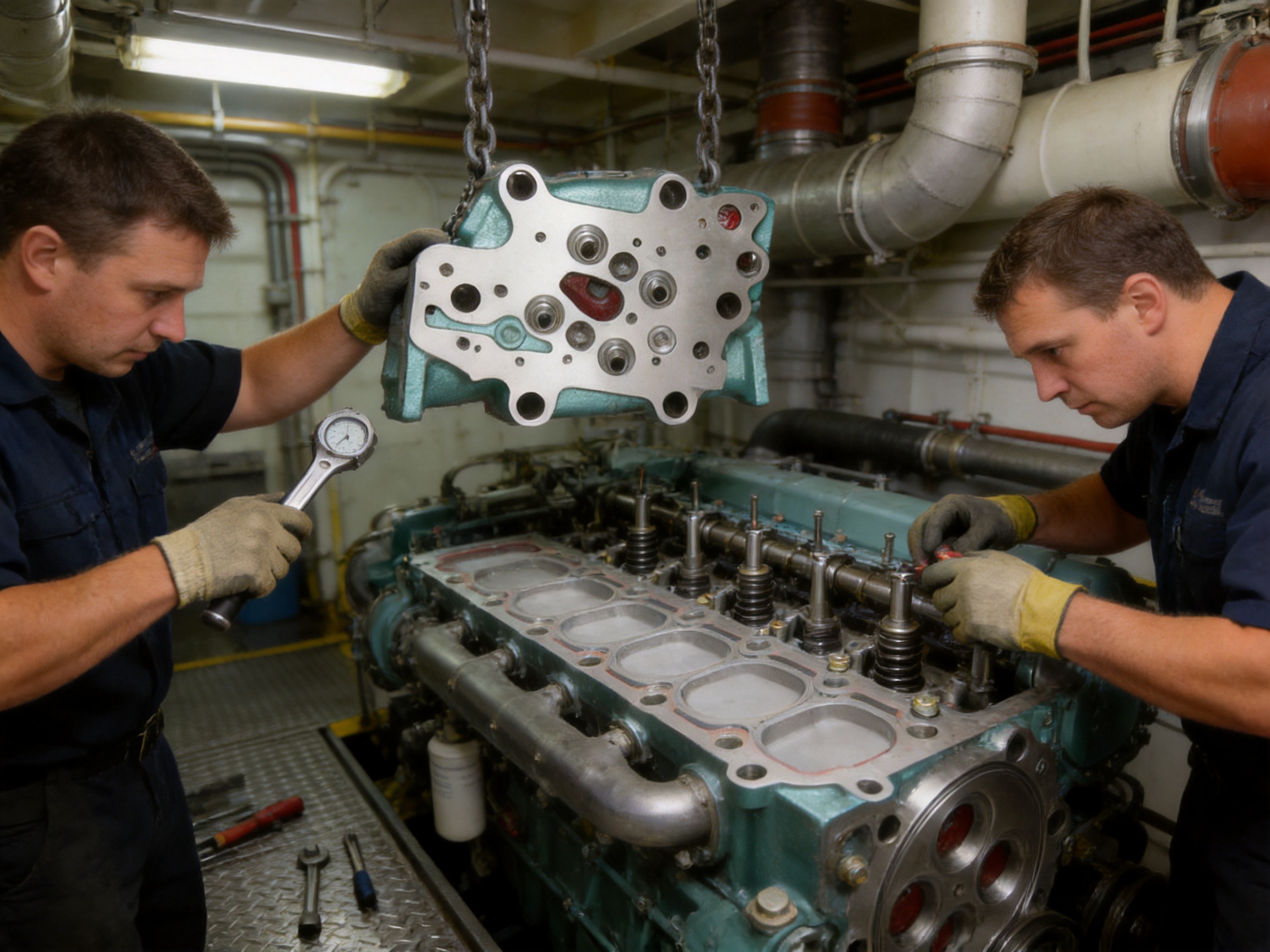
The cylinder head is one of the most important structural and operating components in a marine diesel engine. It closes the upper part of the cylinder, forms the combustion chamber, supports critical valve-train components, and helps control the movement of intake air, exhaust gas, fuel, coolant, and lubricating oil. Because it operates under high temperature, high pressure, vibration, and continuous mechanical loading, the condition of the cylinder head has a direct effect on engine reliability, fuel efficiency, emissions, and maintenance cost.
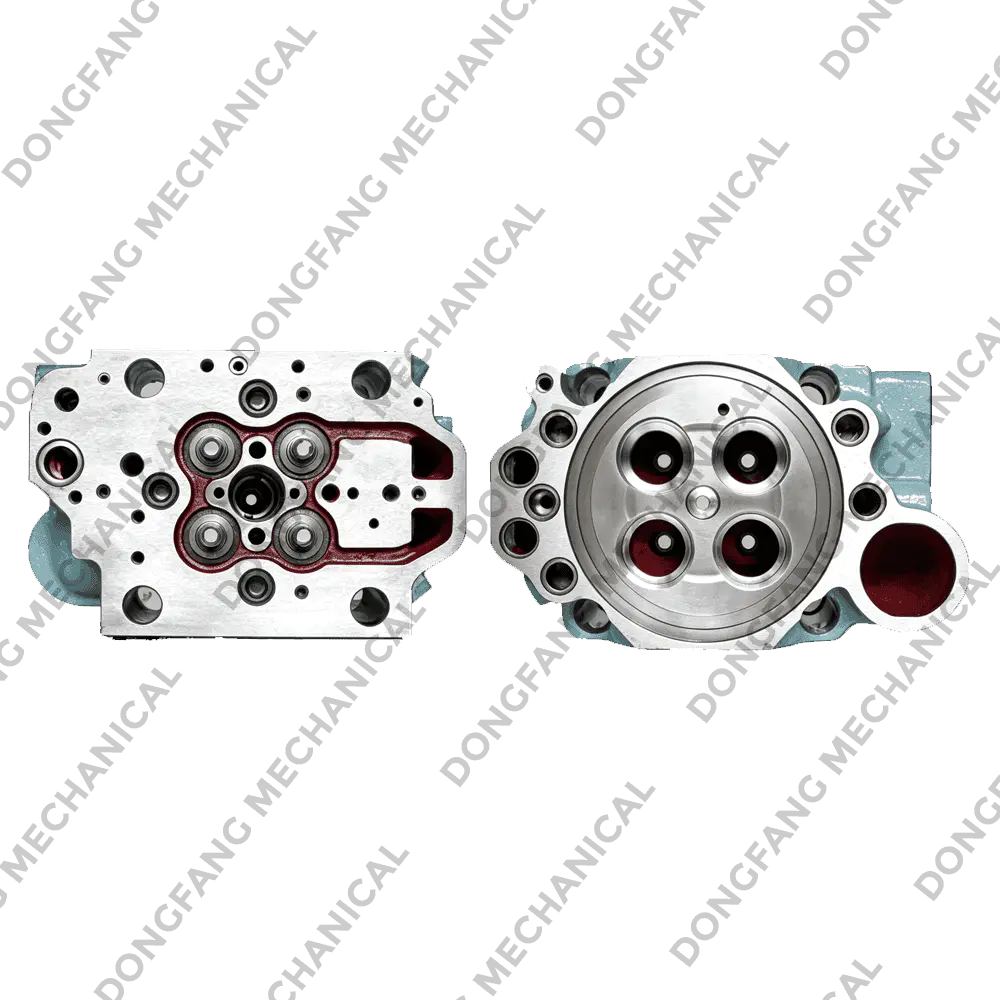
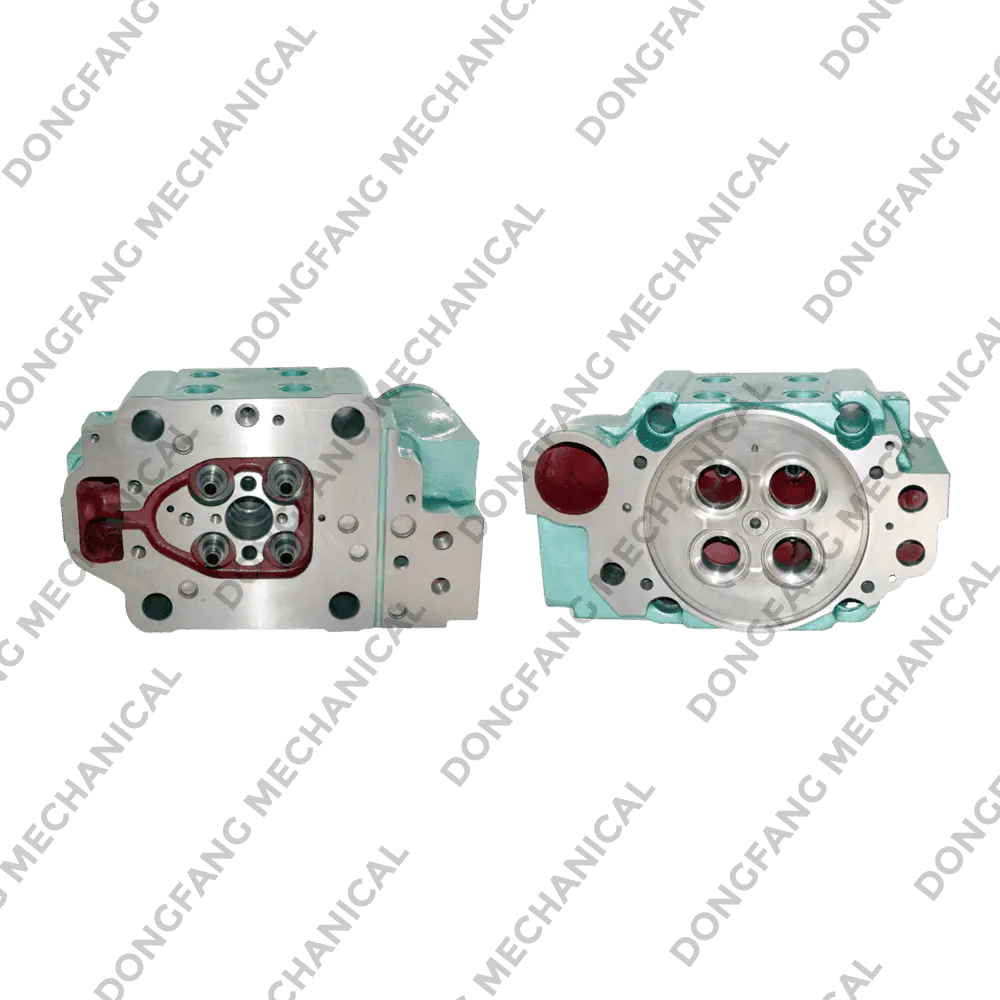
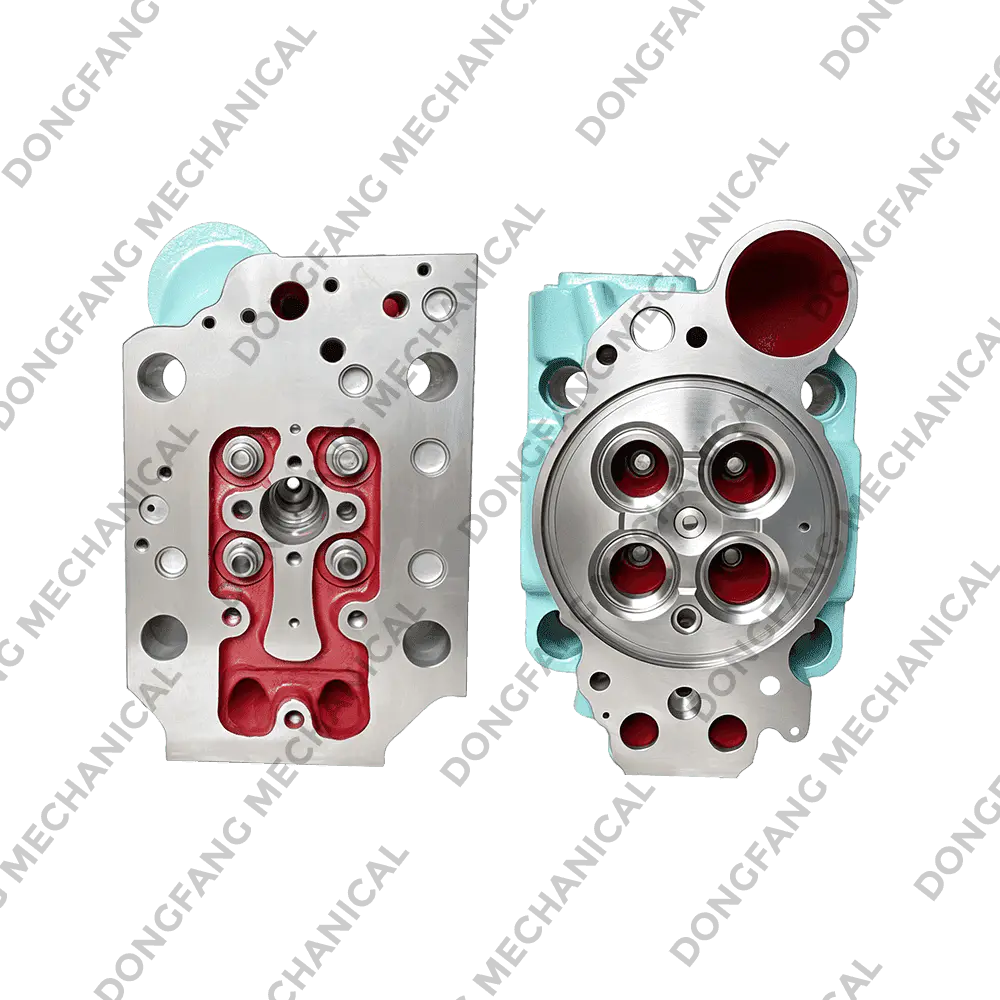
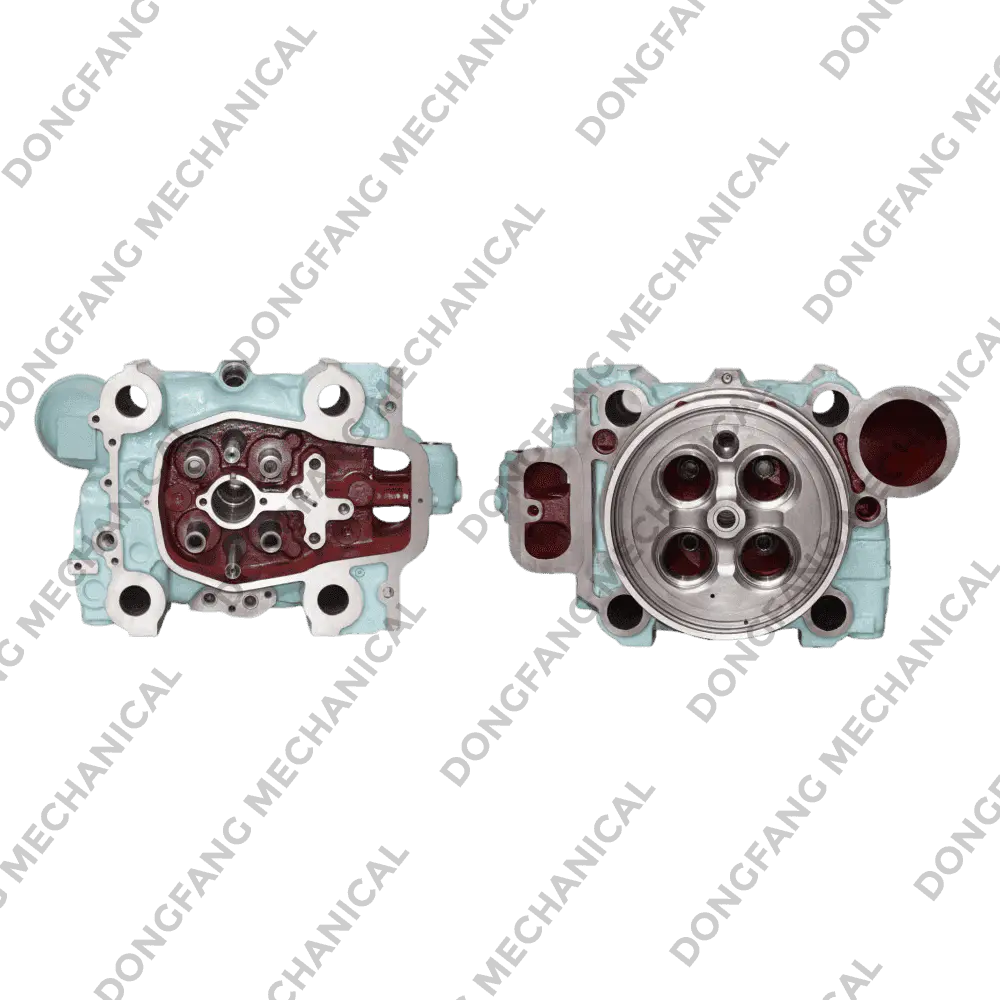
The M220L cylinder head is a replacement component developed for compatible Yanmar marine diesel engine applications. It is intended for shipowners, marine repair companies, engine service providers, spare-parts distributors, and equipment operators requiring a dependable aftermarket solution. Manufactured by Zhoushan Putuo Dongfang Machinery Co., Ltd., the component is supported by long-term experience in the production of cylinder heads, cylinder liners, valves, valve seats, valve cages, valve guides, connecting rods, piston pins, and piston heads for imported and domestic marine diesel engines.
For marine operators, selecting a replacement cylinder head is not simply a matter of finding a part with a similar external appearance. The component must be compatible with the engine model, combustion system, valve arrangement, cooling passages, sealing surfaces, and installation dimensions. It must also withstand the demanding working conditions found in propulsion engines, auxiliary generator sets, cargo vessels, fishing boats, workboats, and other marine equipment. The M220L cylinder head is positioned as a practical aftermarket replacement for users who need stable quality, professional manufacturing, reasonable procurement cost, and responsive technical support.
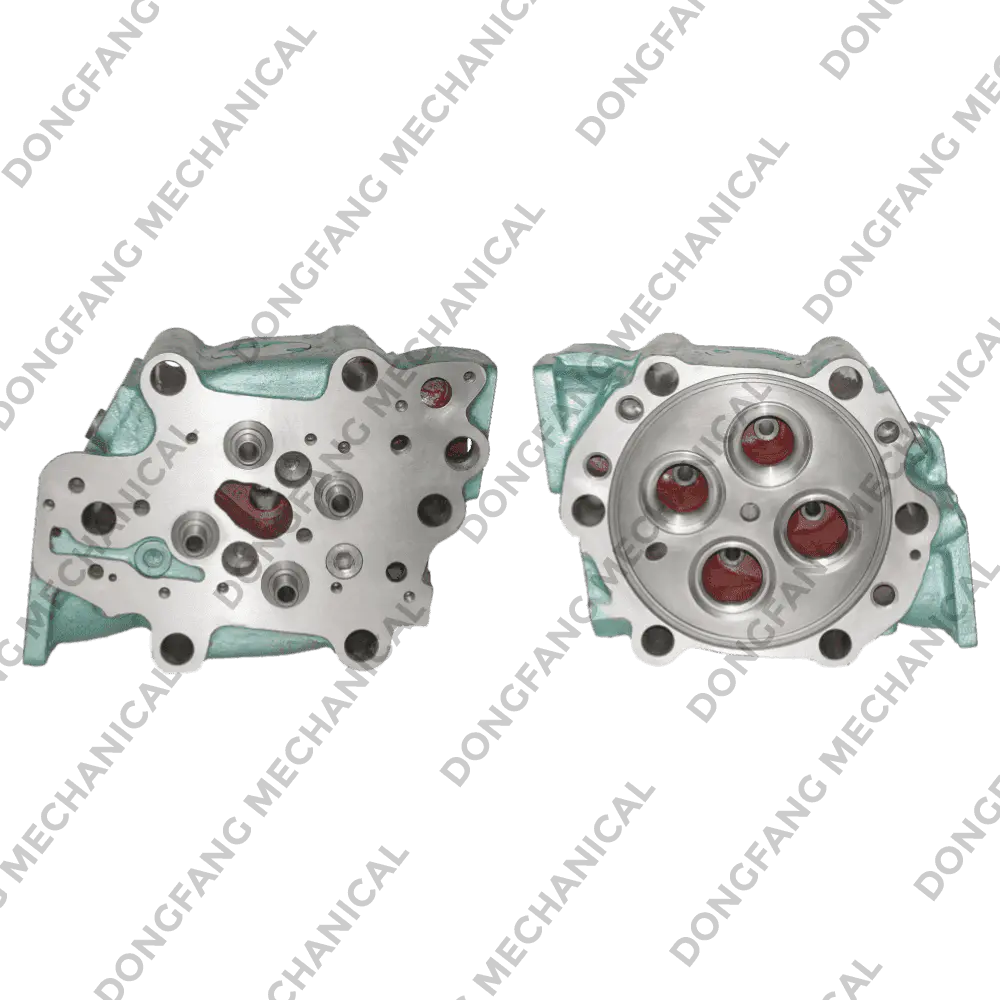
M220L
Product Overview
The M220L cylinder head is designed as a replacement spare part compatible with specified Yanmar marine diesel engine applications. Its primary function is to provide a secure and heat-resistant upper enclosure for the cylinder while supporting the parts required for air intake, exhaust discharge, fuel combustion, and valve operation. In a properly matched engine system, the cylinder head works together with the cylinder liner, piston, piston rings, valves, valve seats, valve guides, head gasket, fuel injector, rocker mechanism, and cooling system.
A replacement cylinder head must maintain accurate geometry throughout its service life. The combustion chamber surface must remain stable under repeated combustion pressure. Valve-seat locations must support reliable contact between the valve and seat. Valve-guide bores must maintain correct alignment so that the valve stem can move smoothly without excessive clearance. Cooling passages must allow effective heat transfer, while threaded holes, mounting faces, and gasket surfaces must support correct installation and sealing.
The M220L product is suitable for maintenance programs in which an original cylinder head is cracked, distorted, excessively worn, corroded, or otherwise unsuitable for continued service. It can also be considered when a vessel operator needs to restore an engine during scheduled overhaul. In both situations, correct part identification is essential. Customers should confirm engine model, serial number, drawing information, dimensions, port arrangement, valve configuration, and other relevant technical details before placing an order.
The product is supplied by a specialist manufacturer with experience in marine diesel engine component production. This background is important because marine replacement parts require a different level of attention from many general industrial components. A marine engine may operate for long periods under constant load, often in locations where access to repair facilities is limited. A cylinder head that is manufactured and inspected with marine operating conditions in mind can help reduce the risk of premature failure and unplanned downtime.
Why the Cylinder Head Matters in a Marine Diesel Engine
In a four-stroke diesel engine, the cylinder head contains or supports several of the systems involved in the complete operating cycle. During the intake stroke, air enters through the intake passage. During compression, the cylinder head contributes to the enclosed combustion volume. During fuel injection and combustion, it must resist high pressure and intense thermal loading. During the exhaust stroke, hot combustion gases pass through the exhaust port and valve area. This sequence repeats continuously while the engine is operating.
The cylinder head also influences combustion quality. Even small deviations in combustion chamber geometry, injector position, valve seating, or sealing condition can affect compression pressure and fuel burning. If the head gasket does not seal properly, combustion gas may escape into the cooling system or lubricating system. If coolant passages are restricted, localized overheating can occur. If a valve does not seat correctly, hot gas can erode the valve and seat, reducing compression and causing further damage.
Marine operating environments increase the demands placed on the cylinder head. Engines may be exposed to salt-laden air, humidity, vibration, variable fuel quality, frequent load changes, and long operating cycles. Cooling water conditions can also influence corrosion and deposit formation. For these reasons, the cylinder head must be made from a suitable material and manufactured with controlled processes that produce stable dimensions and reliable surfaces.
A high-quality replacement cylinder head helps create a sound foundation for the rest of the engine overhaul. However, it is not an isolated repair item. Its performance depends on the condition of related components. Before installation, technicians should inspect the mating cylinder liner or block surface, head gasket, valves, valve seats, valve guides, injector components, rocker gear, fasteners, and cooling system. Proper assembly procedures, tightening sequence, torque values, and running-in practices are equally important.
Main Features of the M220L Replacement Cylinder Head
Application-Oriented Design
The M220L cylinder head is developed for a defined marine engine application rather than as a universal component. Application-oriented design helps ensure that important functional areas correspond to the intended engine family. These areas may include the combustion chamber profile, valve layout, intake and exhaust passages, injector location, lubrication routes, cooling passages, mounting holes, and sealing faces.
A component made for a specific application is generally easier to identify and install than a heavily modified general-purpose casting. It reduces the need for improvised alterations and helps maintenance teams follow a repeatable repair procedure. Before purchase, however, users should still provide full engine information to the supplier so that compatibility can be checked against available production data and technical records.
Stable Combustion-Chamber Geometry
The combustion chamber is a highly sensitive area of the cylinder head. It must preserve the intended relationship between the piston crown, fuel injector, intake flow, exhaust flow, and valves. The M220L replacement head is manufactured with attention to the dimensional stability of this area. Stable geometry supports consistent compression conditions and helps the engine maintain predictable operating behavior after overhaul.
Combustion-chamber condition should always be evaluated together with piston projection, liner height, gasket thickness, injector condition, and valve adjustment. A new cylinder head cannot compensate for incorrect assembly dimensions elsewhere in the cylinder unit. Accurate measurement and careful inspection remain essential parts of professional installation.
Reliable Valve and Seat Support
The valve area is exposed to repeated impact, friction, gas flow, and thermal cycling. The cylinder head must hold the valve guides and valve seats in correct alignment. The seat must provide a continuous contact band with the valve face, while the guide must maintain controlled stem movement. When these relationships are correct, the engine can achieve effective gas sealing and stable airflow.
The M220L cylinder head is intended to work with the associated valve-train components specified for the compatible engine. During installation, technicians should check valve-seat contact, guide clearance, valve stem condition, spring condition, retainer security, and rocker mechanism alignment. Where required, valve seats may need finishing or lapping according to approved repair procedures. These checks are especially important when the cylinder head is installed together with refurbished valves or guides.
Heat-Resistant Construction
Combustion creates rapid temperature changes across the cylinder head. The area around the exhaust valve and injector is normally subjected to particularly high thermal stress. The material and manufacturing process must therefore provide suitable strength, thermal stability, and resistance to cracking under repeated heating and cooling.
A replacement head produced for marine service should be evaluated not only by its external appearance but also by its internal integrity and dimensional condition. Casting quality, heat treatment where applicable, machining accuracy, and inspection standards all contribute to service performance. The manufacturer’s experience in producing cylinder heads and related engine components supports a more systematic approach to these requirements.
Effective Cooling-Passage Design
Cooling passages remove heat from critical regions of the cylinder head and transfer it to the engine cooling system. Correct passage geometry is necessary to maintain balanced heat removal. Blocked, undersized, or poorly finished passages can create hot spots, accelerate corrosion, and increase the possibility of cracking or gasket failure.
The M220L cylinder head is produced with the cooling requirements of the intended engine application in mind. After installation, the cooling system should be flushed and inspected. Technicians should confirm that coolant flow is adequate, the water pump is functioning correctly, thermostatic control is suitable, and no deposits or foreign material remain in the passages. Correct coolant treatment is also important for long-term protection.
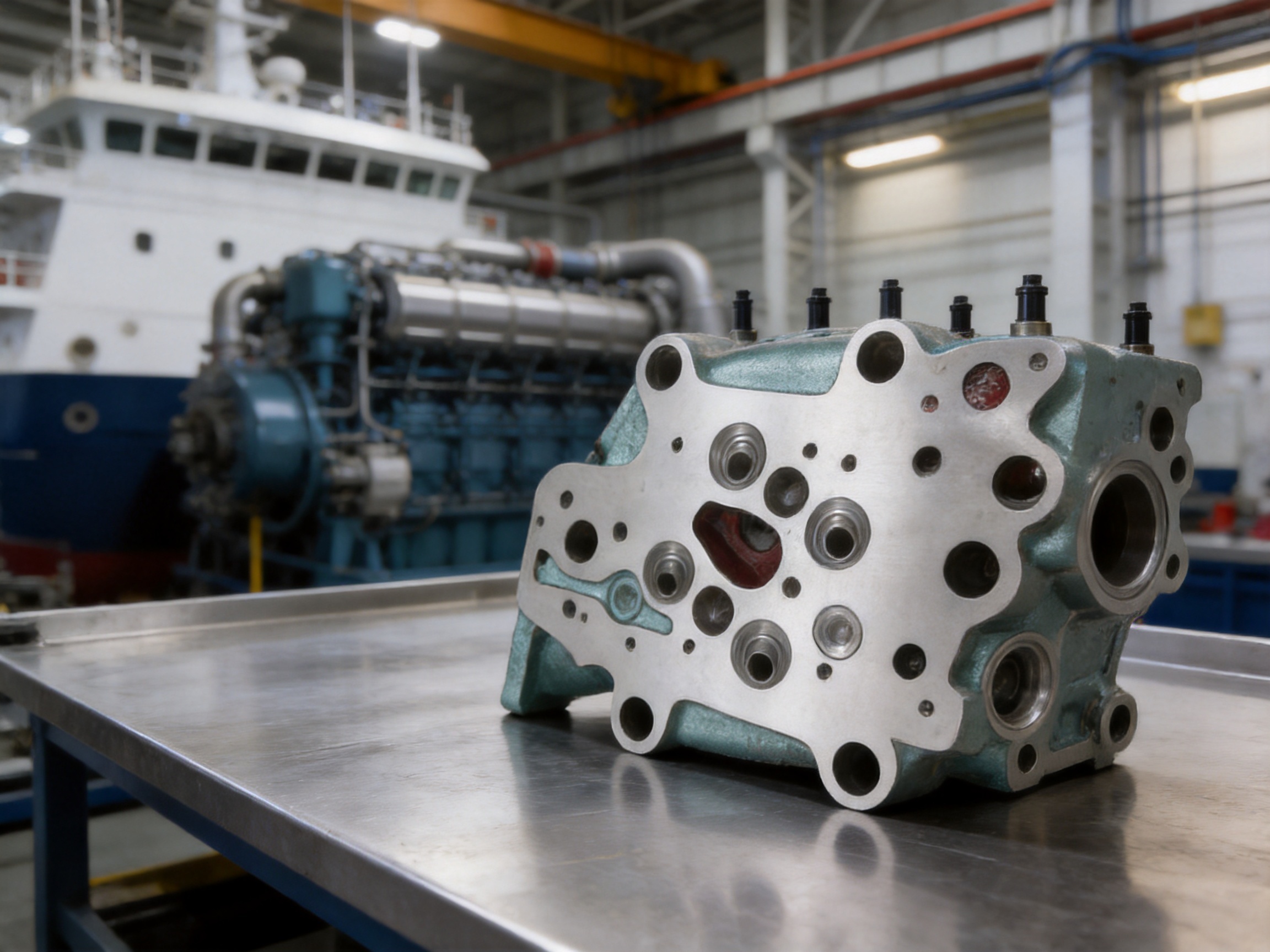
Manufacturing Strengths Behind the Product
Specialized Marine Engine Experience
Zhoushan Putuo Dongfang Machinery Co., Ltd. was founded in 1996 and specializes in components for imported and domestic marine diesel engines. More than two decades of experience gives the company practical knowledge of the dimensional, functional, and service requirements associated with marine engine parts. This experience covers cylinder heads and cylinder liners as well as valves, valve seats, valve cages and guides, connecting rods, piston pins, and piston heads.
Manufacturing a complete range of related components provides an important technical advantage. Cylinder heads do not operate independently. Their performance is connected with the liner, piston, valve, injector, and sealing system. Experience across these product groups helps the manufacturer understand component interfaces and the consequences of dimensional variation. It also supports more informed communication with shipowners, repair yards, and spare-parts dealers.
Production Infrastructure
The company operates across an area of more than 8,000 square meters, including a workshop of more than 5,000 square meters. This production environment provides space for machining, inspection, component handling, storage, and organized workflow management. A dedicated manufacturing facility is valuable for controlling production stages and maintaining repeatability between batches.
The company reports annual production of more than 5,000 sets. Production capacity at this level can support regular orders for distributors and fleet operators while helping maintain a stable supply of replacement parts. For customers responsible for multiple vessels, supply continuity is an important consideration. A dependable source can make it easier to plan scheduled overhauls, maintain recommended spare inventories, and reduce delays caused by uncertain availability.
Process Control from Casting to Final Inspection
A reliable cylinder head begins with appropriate material preparation and sound forming or casting practice. The initial component must have sufficient internal integrity before machining begins. After the basic form is produced, machining establishes the critical dimensions, reference surfaces, holes, ports, valve locations, and sealing areas required for installation.
Machining operations should be organized around accurate references. Mounting surfaces, gasket faces, valve-guide bores, valve-seat counterbores, injector openings, and threaded holes must relate correctly to one another. If a reference is inaccurate, several downstream features may be affected. Controlled fixturing and qualified measuring equipment help reduce this risk.
Inspection should take place at appropriate stages rather than only at the end of production. In-process checks can identify deviations before additional work is performed. Final inspection can then verify the completed part against the relevant production and technical requirements. Depending on the component and order specification, inspection may include dimensional measurement, surface checks, pressure or leakage testing, visual examination, and verification of critical functional features.
ISO 9001 Quality Management
The company obtained ISO 9001 certification in 2001. A quality management system provides a structured framework for documenting processes, controlling production activities, managing records, addressing nonconformities, and supporting continuous improvement. Certification does not replace product-specific inspection, but it demonstrates a commitment to organized quality management.
For buyers, a documented quality system can improve confidence in order handling and production consistency. It also provides a basis for communication when customers require inspection records, traceability information, technical confirmation, or specific packaging and documentation arrangements. In marine spare-parts procurement, such systems can be particularly useful because replacement components may be purchased for planned repairs months before installation.
Experienced Technical Personnel
Equipment alone cannot guarantee a successful cylinder head. Skilled personnel are required to interpret drawings, operate machining equipment, inspect complex surfaces, identify defects, and maintain production discipline. The company’s long-term specialization and experienced workforce support practical knowledge that is difficult to obtain from general metalworking production alone.
Experienced technical staff can also help customers clarify application details. When an order involves an older engine, a modified installation, or a replacement part with uncertain identification, the quality of the information exchange becomes important. Clear photographs, engine plates, old-part measurements, drawings, and operating details can assist in confirming the correct product.
Advantages Compared with Less Specialized Alternatives
Better Application Focus than Generic Replacements
One advantage of the M220L cylinder head is its application focus. Generic components may appear similar while differing in internal passages, valve dimensions, mounting locations, or combustion-chamber details. A replacement designed for a defined marine engine application is more likely to align with the required installation and operating conditions.
This does not mean that every part with the same commercial designation will automatically fit every engine. Marine engines may have production changes, regional variants, or previous repairs. The practical advantage comes from working with a manufacturer that can review application data and provide a component according to the intended engine specification.
More Suitable for Marine Service
Marine diesel components must withstand a combination of continuous duty, vibration, heat, humidity, and restricted maintenance access. A supplier focused on marine diesel engine components understands that reliability and serviceability are central purchasing requirements. This specialization is an advantage over suppliers whose primary experience may be limited to general-purpose automotive or industrial castings.
Marine service also requires attention to delivery planning and support. A vessel may have a limited port stay or a tightly scheduled overhaul. A supplier with established experience in serving shipowners and dealers can better understand the importance of communication, packaging, documentation, and timing.
Balanced Quality and Procurement Cost
Original equipment parts can provide strong identification confidence, but they may involve high purchase prices, long lead times, or restricted availability for older engines. A high-quality aftermarket replacement can provide an alternative when the buyer requires a practical balance between performance, cost, and supply.
The value of an aftermarket cylinder head should be assessed over its expected service period rather than by purchase price alone. A part that is dimensionally stable, correctly machined, and supported by inspection can reduce rework and installation delays. Reasonable pricing combined with consistent quality can lower the total cost of an engine overhaul.
Availability of Related Components
Because the manufacturer also produces cylinder liners, valves, valve seats, valve cages and guides, connecting rods, piston pins, and piston heads, customers may be able to coordinate multiple parts for the same repair project. Sourcing related components from a specialized supplier can simplify communication and help reduce uncertainty concerning component compatibility.
For fleet operators, this product range can also support spare-parts standardization. Purchasing teams may establish a controlled supplier relationship for several engine component categories rather than managing numerous small sources. This can make technical records, purchasing procedures, and quality feedback easier to manage.
Manufacturing and Inspection Considerations
Material Integrity
The material used for a cylinder head must be suitable for high-temperature engine service and compatible with the intended manufacturing process. It should resist thermal fatigue, maintain structural strength, and provide a sound base for valve-seat and guide installation. Material control begins with approved raw materials and continues through forming, heat treatment where applicable, machining, and inspection.
Material selection should correspond to the requirements of the engine design. Customers with special material specifications, classification requirements, or repair-yard procedures should communicate those requirements before production. The supplier can then determine whether the requested material condition and documentation are available for the order.
Machining Accuracy
Machining accuracy affects installation, sealing, valve operation, and long-term durability. The head gasket face must be sufficiently flat and correctly finished. Valve-guide bores and valve-seat positions must be aligned. Bolt holes and threaded holes must correspond with the engine structure. Ports must have the required location and profile so that airflow and exhaust flow are not unnecessarily restricted.
Critical dimensions should be checked using appropriate gauges and measuring instruments. Measurements should be related to defined reference points, and inspection results should be recorded where required. These practices help prevent defects that might not be visible during a basic visual inspection.
Surface and Sealing Quality
Sealing surfaces are vital to cylinder-head performance. The head gasket must accommodate the pressure and temperature of combustion while separating combustion gas, coolant, and lubricating oil. Surface damage, distortion, roughness outside the permitted range, or contamination can compromise the seal.
Before assembly, the installer should clean the cylinder block or liner seating area and inspect it for erosion, scratches, corrosion, or distortion. The new cylinder head should also be protected from impact and contamination. Correct gasket selection and installation are essential, and gasket reuse should be avoided unless specifically permitted by the engine manufacturer.
Pressure and Leakage Testing
Depending on the production specification, pressure or leakage testing may be used to evaluate internal cooling passages and identify possible casting or machining defects. Such testing is particularly relevant for a cylinder head because a concealed passage defect can produce coolant loss, overheating, white smoke, lubrication contamination, or combustion instability after installation.
Customers requiring specific test pressures, certificates, or inspection procedures should state these requirements during the quotation stage. Clear agreement before production helps ensure that the supplied documentation matches the maintenance or classification needs of the vessel.
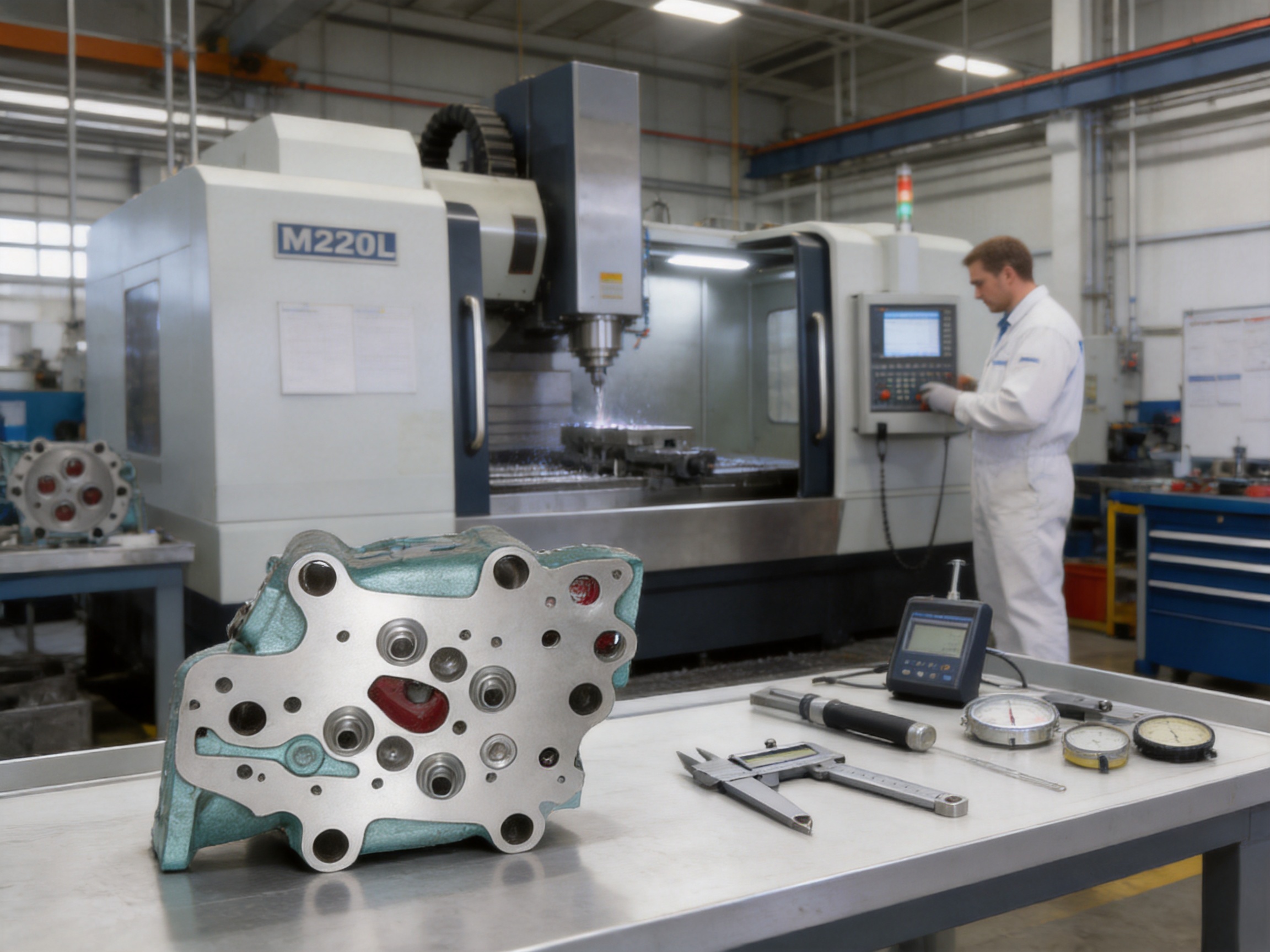
Installation Guidance for Professional Technicians
Confirming the Correct Part
Before installation, confirm that the replacement cylinder head corresponds to the intended engine. The recommended information includes the engine maker and model, serial number, cylinder arrangement, vessel or equipment application, existing head identification, and any available drawing or parts-book reference. Photographs of the old component can be useful, but they should not replace dimensional and technical confirmation.
Inspect the replacement part when it arrives. Check packaging condition, identification marks, machined surfaces, ports, mounting holes, valve locations, and visible passage openings. If damage or an apparent mismatch is found, contact the supplier before machining or installation. Unapproved modifications can make it difficult to determine responsibility and may affect warranty or technical support.
Preparing Mating Components
The cylinder block or liner landing surface must be clean, flat, and free from foreign material. Old gasket material should be removed carefully without damaging the metal surface. The technician should inspect for signs of combustion leakage, coolant erosion, liner movement, or previous overheating. These conditions may indicate an underlying problem that must be corrected before the new head is fitted.
The valve assembly should be inspected at the same time. Check the valve faces, seats, guides, springs, retainers, cotters, rocker arms, and adjustment mechanisms. Replace worn parts rather than installing a new cylinder head onto a severely degraded valve train. The injector pocket and injector sealing area should also be cleaned and inspected according to the engine service procedure.
Correct Gasket and Fastener Procedure
Use the gasket specified for the compatible engine application. The gasket thickness can influence compression ratio, piston clearance, and combustion performance, so substitution should not be made solely on the basis of external dimensions. Fasteners should be checked for stretch, thread damage, corrosion, and length. Where the engine manufacturer requires new head bolts or specified tightening conditions, those requirements should be followed.
Head fasteners must be tightened in the correct sequence and in stages. Uneven tightening can distort the head or create an unreliable seal. Torque values, angle requirements, lubrication instructions, and retightening procedures should come from the approved engine documentation or qualified technical support. Technicians should use calibrated torque equipment.
Post-Installation Checks
After the head is installed, confirm valve clearance, injector installation, fuel connections, cooling connections, lubrication passages, exhaust connections, and rocker-cover sealing. Turn the engine manually where applicable to check for mechanical interference. Prime lubrication systems according to the maintenance procedure before starting.
During the first start, monitor coolant temperature, oil pressure, exhaust appearance, fuel leakage, coolant leakage, unusual noise, and vibration. Allow the engine to warm gradually and observe it under controlled load. After the initial operating period, inspect for leaks and recheck adjustments if the engine procedure requires it.
Maintenance Practices That Support Long Service Life
A well-manufactured cylinder head still requires proper maintenance. Cooling-system cleanliness is one of the most important factors. Scale, rust, oil contamination, and biological deposits can restrict heat transfer and cause local overheating. Coolant concentration and corrosion protection should be maintained according to the engine and coolant supplier’s recommendations.
Valve clearance should be checked at the recommended intervals. Excessive clearance can increase impact loading and reduce valve timing accuracy, while insufficient clearance can prevent the valve from seating fully as the engine reaches operating temperature. Both conditions may increase wear and heat transfer to the cylinder head.
Fuel injector condition also affects cylinder-head life. Poor spray quality, incorrect injection timing, or dribbling fuel can produce abnormal combustion and localized thermal loading. Regular injector testing and fuel-system maintenance help protect the combustion chamber, piston crown, valves, and exhaust area.
Operators should pay attention to early warning signs. Coolant loss, repeated overheating, white exhaust smoke, pressure in the expansion tank, coolant in the lubricating oil, abnormal exhaust temperature, reduced compression, and persistent misfiring may indicate a cylinder-head or related-system problem. Early diagnosis can prevent a minor defect from becoming a major engine failure.
When the engine is opened for inspection, record measurements and observations. A maintenance history containing valve clearances, temperatures, coolant condition, gasket condition, and operating hours can help identify trends. This information is useful when planning future cylinder-head replacement or deciding whether associated components should be renewed at the same time.
Recommended Inspection Checklist
| Inspection Area | Recommended Check | Reason |
|---|---|---|
| Part identification | Confirm M220L designation, engine model, serial number, and application | Reduces the risk of installing an incompatible component |
| External condition | Check for impact damage, corrosion, cracks, and damaged threads | Protects against installation of a compromised part |
| Gasket surface | Inspect flatness, finish, cleanliness, and visible damage | Supports reliable combustion and coolant sealing |
| Valve area | Check seats, guides, valves, springs, and retainers | Ensures correct gas sealing and valve movement |
| Cooling passages | Verify that passages are clear and free of foreign material | Promotes even heat transfer and reduces hot spots |
| Mounting holes | Verify location, thread condition, and fastener engagement | Ensures correct alignment and secure installation |
| Injector area | Inspect injector bore, sealing face, and related fittings | Helps prevent fuel leakage and combustion irregularities |
| Post-start condition | Monitor temperature, oil pressure, exhaust, noise, and leaks | Allows early detection of installation or operating problems |
Procurement Support for Shipowners and Distributors
Marine spare-parts procurement often involves more than a simple product request. Buyers may require a quotation, technical confirmation, production schedule, packing details, inspection records, and shipping coordination. A supplier experienced in serving shipowners and dealers can help organize these requirements in a practical manner.
When requesting an M220L cylinder head, customers should provide as much information as possible. Useful details include the engine model, serial number, number of cylinders, vessel name or equipment type, required quantity, delivery destination, desired inspection documents, and whether the component is needed as a complete head or with valves and related parts. Clear information improves quotation accuracy and reduces the need for repeated clarification.
For urgent repairs, buyers should discuss lead time and stock status at the beginning of the order. For planned overhauls, customers may benefit from placing orders early and coordinating the cylinder head with liners, valves, gaskets, and other components. Advance planning can reduce the likelihood that one missing part will delay the entire maintenance project.
Packaging is also important. A cylinder head should be protected against impact, moisture, contamination, and corrosion during storage and transportation. Machined surfaces should be protected, openings should be covered where appropriate, and identification should remain visible. Customers with special export packing or long-term storage requirements should communicate them before shipment.
Company Capabilities and Service Philosophy
Zhoushan Putuo Dongfang Machinery Co., Ltd. is located in the Shenjiamen Pingyang Industrial Zone of Zhoushan, Zhejiang Province. The location benefits from access to land, sea, and air transportation, which is valuable for a manufacturer serving marine customers in different regions. Efficient transportation can support the movement of raw materials, finished components, replacement parts, and export shipments.
The company’s product range reflects a broad understanding of imported and domestic marine diesel engine maintenance. Its manufacturing activities include cylinder heads and cylinder liners, as well as important valve-train and connecting-rod components. This range allows the company to serve both individual replacement requirements and larger overhaul programs.
The company emphasizes integrity, pragmatism, continuous improvement, quality-first standards, reasonable prices, and dedicated service. These principles are relevant to aftermarket marine parts because customers often need a supplier that remains responsive throughout the complete purchasing cycle. Technical communication, production consistency, delivery coordination, and after-sales support all contribute to the practical value of a replacement component.
The company has also been rated as an AAA-level enterprise. Together with its ISO 9001 quality management certification and long-term industry experience, this provides additional background for customers evaluating a supplier. Buyers should still complete their normal technical and commercial qualification procedures, but the company’s established history offers a solid basis for cooperation.
Environmental and Operational Value
Replacing a damaged cylinder head can extend the useful life of an existing marine diesel engine. This may help operators avoid the immediate expense and environmental burden associated with replacing a complete engine. When the rest of the engine remains serviceable, a properly manufactured replacement head can support continued operation with fewer discarded assemblies.
Correct combustion and cooling performance may also contribute to efficient engine operation. A cylinder head with sound sealing surfaces, properly aligned valve components, and stable combustion geometry helps the engine operate closer to its intended condition. Fuel efficiency and emissions depend on many systems, including fuel injection, turbocharging, lubrication, load, and maintenance, but cylinder-head condition remains an important part of the overall result.
Responsible maintenance also includes proper handling of removed components, used gaskets, contaminated coolant, lubricants, and cleaning materials. Shipowners and repair facilities should follow applicable environmental and waste-management requirements. Extending component life through inspection and refurbishment can be beneficial, but safety and technical suitability must always take priority.
Frequently Asked Questions
What is the M220L cylinder head used for?
The M220L cylinder head is a replacement spare part for compatible Yanmar marine diesel engine applications. It closes the cylinder, supports the combustion chamber and valve system, and incorporates passages and mounting features required for the intended engine configuration.
Is the M220L cylinder head suitable for every Yanmar marine engine?
No. Compatibility must be confirmed for the specific engine model, serial number, production version, and installation. Customers should provide complete engine information before ordering. Similar-looking cylinder heads may differ in dimensions, ports, valve arrangement, or internal passages.
What information should be supplied when requesting a quotation?
Provide the engine model, serial number, quantity required, existing part identification, vessel or equipment application, delivery location, and any required inspection or packing documents. Photographs, drawings, and measurements can also help confirm the correct part.
Does the cylinder head include valves and other components?
The supply configuration should be confirmed before ordering. Customers should specify whether they require a bare cylinder head, a head with valves and seats, or a more complete assembly. The manufacturer also produces related components, which may be available for coordinated procurement.
How should the cylinder head be inspected before installation?
Check identification, machined surfaces, gasket faces, mounting holes, threads, ports, valve areas, cooling passages, and visible signs of damage. If technical documentation requires pressure testing or other inspection, confirm that the required checks have been completed before installation.
Inspect the head gasket, cylinder liner or block landing surface, valves, valve seats, valve guides, springs, rocker mechanism, injector, fasteners, cooling system, and lubrication system. A new head should not be installed without investigating the cause of the previous failure.
How can overheating be prevented after installation?
Ensure that cooling passages are clean, the coolant is correctly treated, the water pump and thermostat operate properly, and the cooling system is free of air and restrictions. Monitor temperature during initial operation and investigate any abnormal increase immediately.
Why choose a specialized aftermarket supplier?
A specialized supplier has experience with the specific demands of marine diesel components, including high thermal loading, continuous operation, vibration, corrosion exposure, dimensional accuracy, and coordinated overhaul requirements. This experience can support better product selection and more effective technical communication.
Can the supplier support fleet or distributor orders?
The company has a production facility of more than 5,000 square meters and reported annual production exceeding 5,000 sets. These capabilities can support individual replacement needs as well as regular orders for dealers, shipowners, and fleet maintenance programs, subject to product availability and production scheduling.
What quality credentials does the manufacturer have?
The company obtained ISO 9001 certification in 2001 and has long-term experience in manufacturing marine diesel engine components. It has also been rated as an AAA-level enterprise. Customers may request product-specific quality and inspection documentation according to their purchasing requirements.
Conclusion
The M220L cylinder head is a practical replacement solution for compatible Yanmar marine diesel engine applications. Its importance extends beyond the casting itself: the component must provide stable combustion-chamber geometry, reliable valve support, effective cooling, accurate sealing, and secure installation. These requirements make specialist manufacturing experience essential.
Zhoushan Putuo Dongfang Machinery Co., Ltd. combines more than two decades of marine diesel component experience with a dedicated production facility, a broad related-product range, ISO 9001 quality management certification, experienced personnel, and annual production capacity exceeding 5,000 sets. These strengths support the manufacture and supply of aftermarket cylinder heads for shipowners, repair companies, distributors, and marine equipment operators.
Compared with less specialized alternatives, the M220L cylinder head offers the advantages of application-focused production, marine-service experience, coordinated component supply, reasonable procurement value, and professional technical communication. To achieve the best result, customers should confirm compatibility before ordering, inspect the component upon receipt, prepare all mating parts carefully, follow approved tightening and installation procedures, and monitor the engine during initial operation.
When properly selected, installed, and maintained, a high-quality replacement cylinder head can help restore engine performance, reduce repair delays, support planned maintenance, and extend the useful operating life of marine diesel equipment.
References
1. ISO 9001, Quality Management Systems—Requirements.
2. General marine diesel engine maintenance principles for cylinder heads, valves, liners, cooling systems, and combustion assemblies.
3. Standard workshop practices for cylinder-head inspection, gasket installation, fastener tightening, valve adjustment, and post-overhaul testing.
4. Marine engine manufacturer service documentation for the applicable engine model and serial-number range.
5. Product and company information supplied for the M220L replacement cylinder head.
6. Common marine engineering guidance concerning cooling-system maintenance, fuel-injector inspection, thermal loading, and preventive engine maintenance.