عربى

Content
- 1 Product Overview
- 2 Why the Cylinder Head Matters in Marine Diesel Engines
- 3 Engineering Features of the S26MC Replacement Cylinder Head
- 4 Manufacturing Strengths and Production Experience
- 5 Quality Management and Inspection Considerations
- 6 Advantages Over Less Specialized Aftermarket Sources
- 7 Benefits for Shipowners and Marine Repair Organizations
- 8 Installation and Maintenance Recommendations
- 9 Ordering and Technical Confirmation
- 10 Environmental and Operational Considerations
- 11 Why Manufacturing Process Control Matters
- 12 Conclusion
- 13 Questions and Answers
- 13.1 What is the S26MC cylinder head used for?
- 13.2 Is this cylinder head suitable for every MAN marine diesel engine?
- 13.3 What information should be provided when requesting a quotation?
- 13.4 What related parts may be needed during cylinder-head replacement?
- 13.5 What are the main quality concerns for a marine cylinder head?
- 13.6 Does ISO 9001 certification guarantee that every component is perfect?
- 13.7 Can the cylinder head be supplied with other marine engine components?
- 13.8 How should the cylinder head be stored before installation?
- 13.9 What should be checked before installation?
- 13.10 Why is it valuable to purchase from a specialized marine component manufacturer?
- 14 References
- 15 Product: S26MC
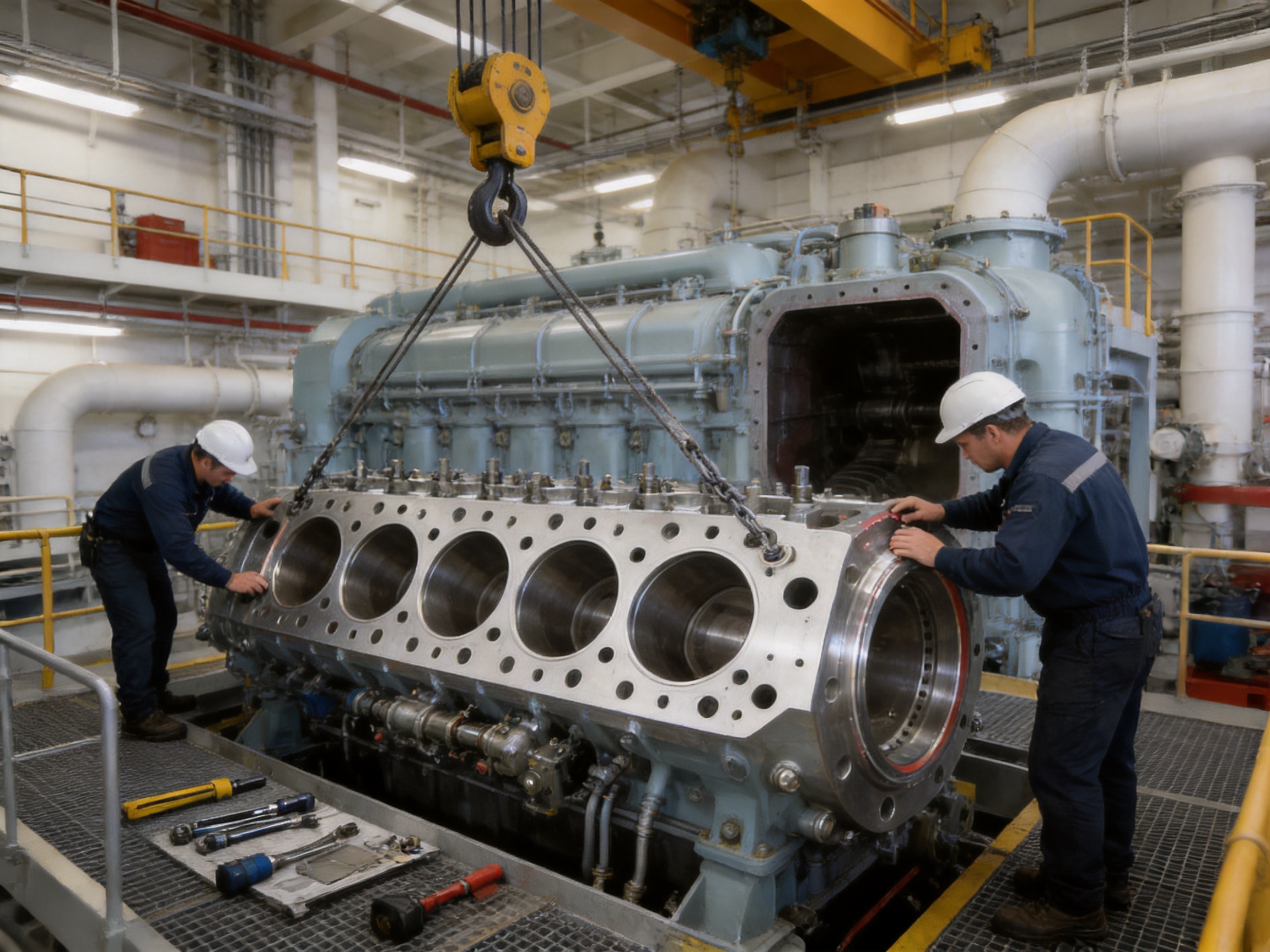
The cylinder head is one of the most important structural and functional components in a large marine diesel engine. It closes the upper section of the cylinder, forms the combustion chamber, supports critical valve-train components, and provides passages for cooling water, lubricating oil, intake air, and exhaust gases. In demanding marine service, the cylinder head must withstand high combustion pressure, repeated thermal cycling, vibration, corrosion, and long operating periods without interruption.
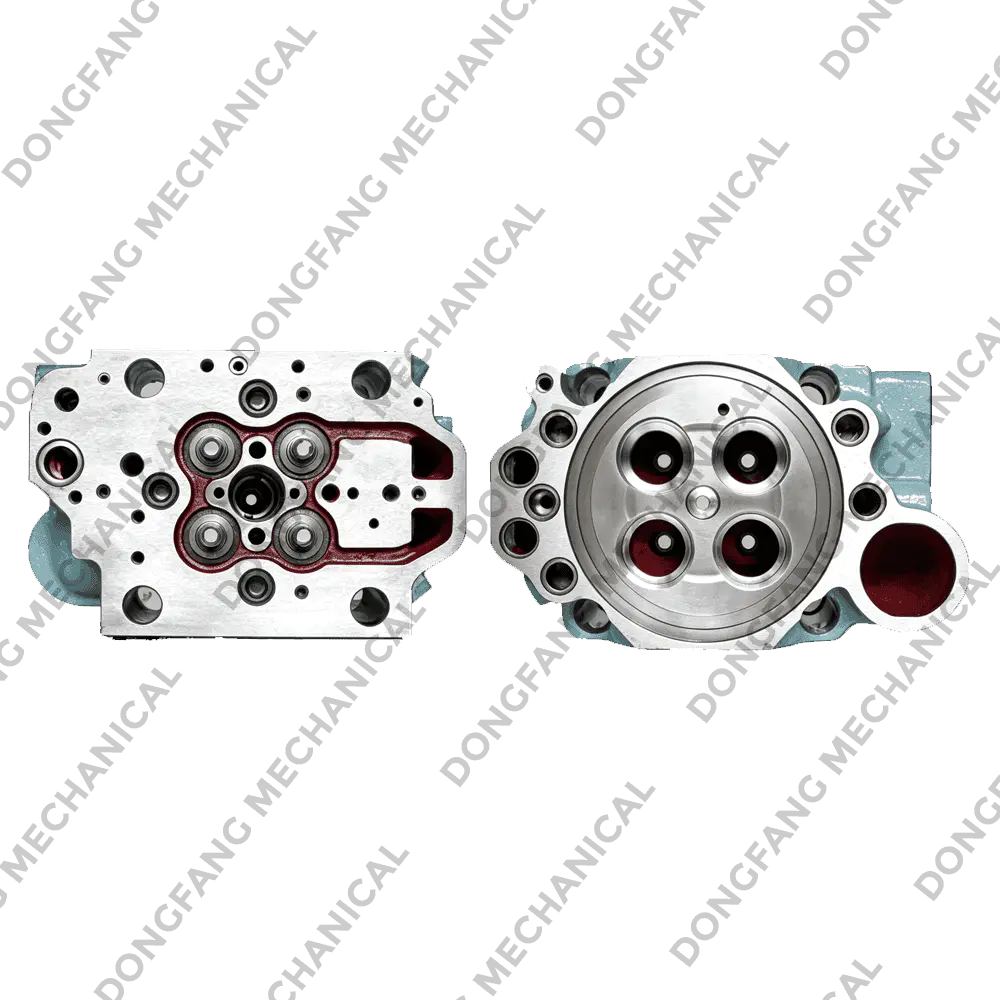
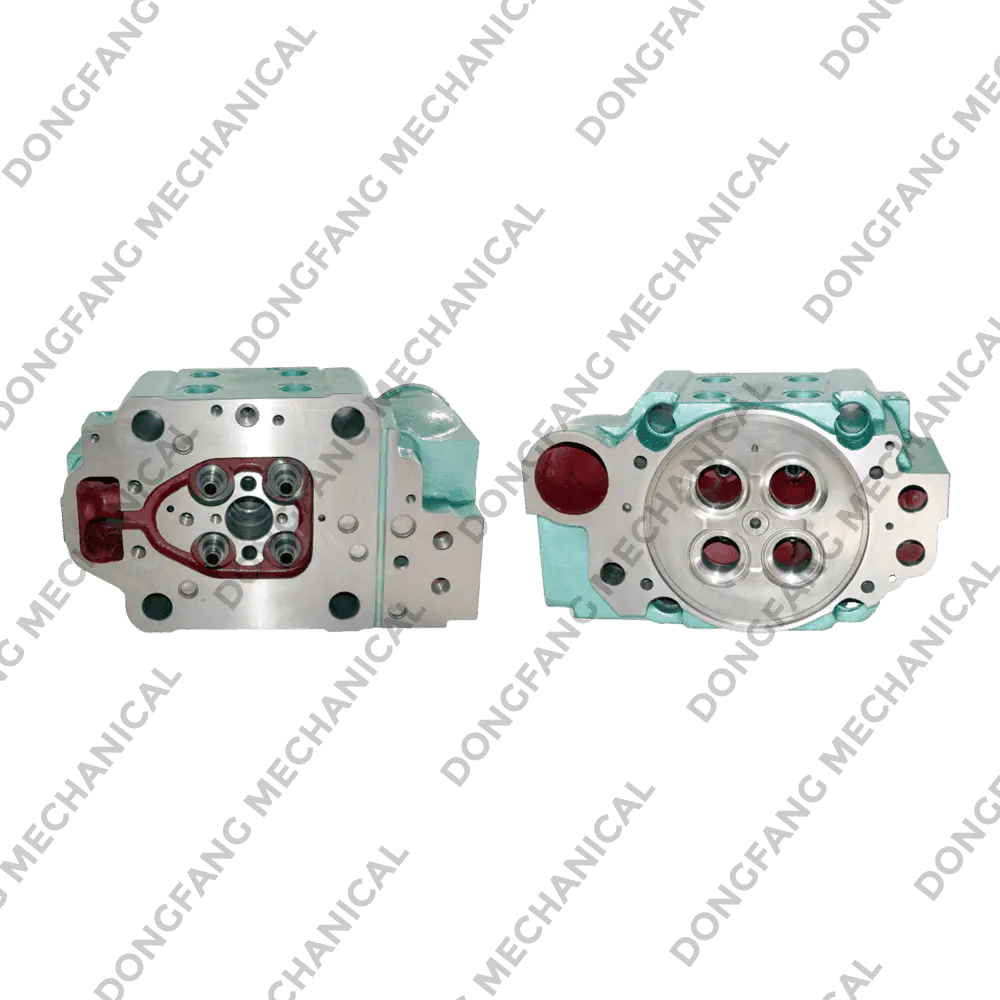
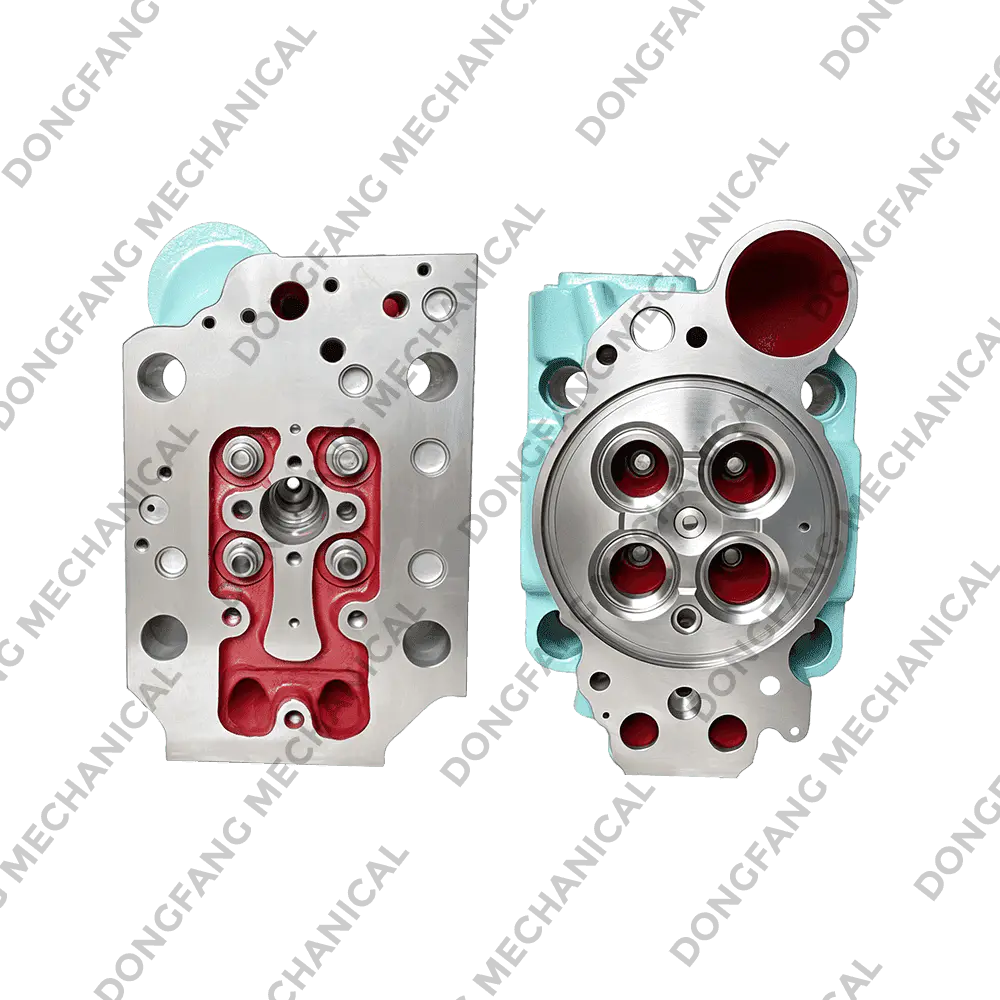
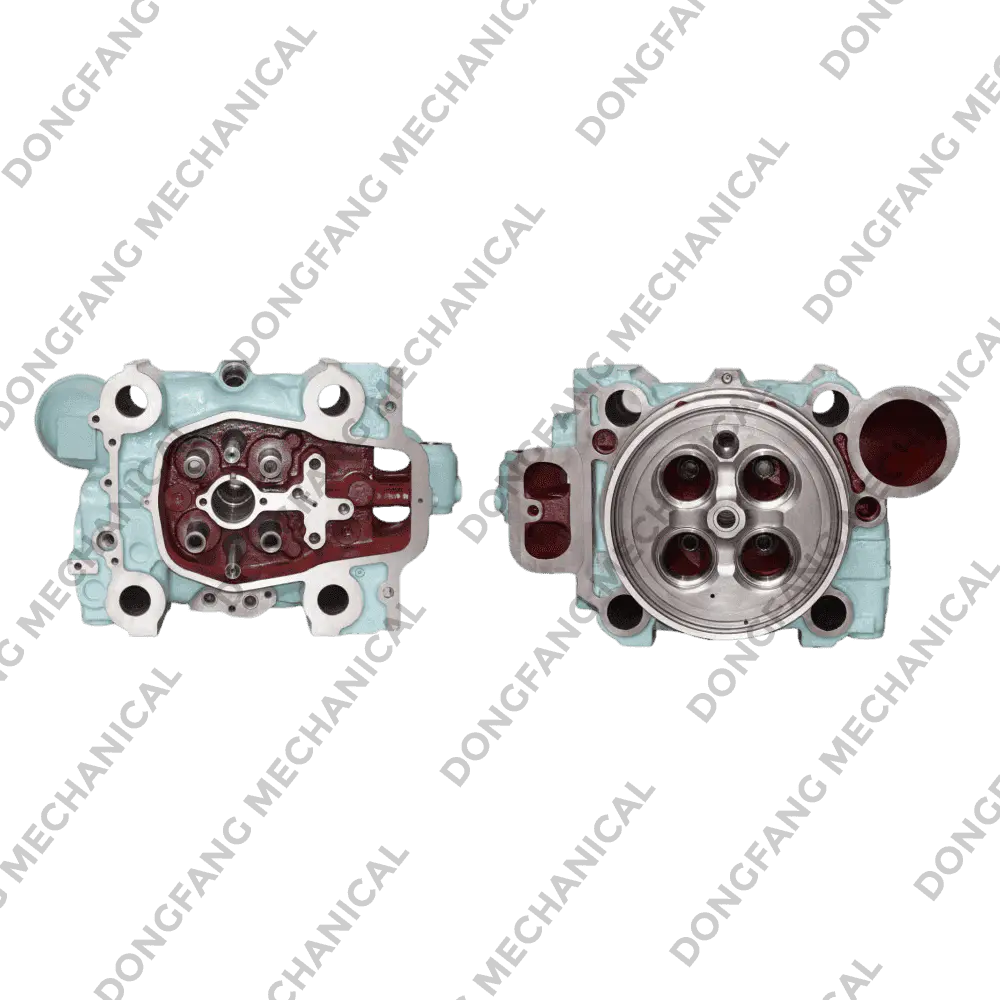
The S26MC cylinder head is designed as a high-quality aftermarket replacement component for compatible MAN marine diesel engines. Manufactured by Zhoushan Putuo Dongfang Machinery Co., Ltd., it is intended to support shipowners, marine repair yards, engine maintenance companies, and spare-parts distributors seeking dependable replacement components for imported marine diesel engines. The product combines practical compatibility, controlled manufacturing, experienced engineering, and quality-focused production.
For vessel operators, selecting a replacement cylinder head is not simply a matter of matching an external shape. The component must correspond with the engine’s combustion requirements, valve arrangement, cooling-water passages, mounting surfaces, sealing areas, and operating environment. Dimensional accuracy and material integrity are essential because even a small deviation may affect compression, cooling efficiency, valve seating, or long-term operating reliability.
This article examines the S26MC cylinder head, its engineering importance, manufacturing advantages, quality considerations, inspection requirements, and suitability for marine diesel engine maintenance. It also explains why an experienced specialized manufacturer can provide meaningful advantages over less established aftermarket sources.
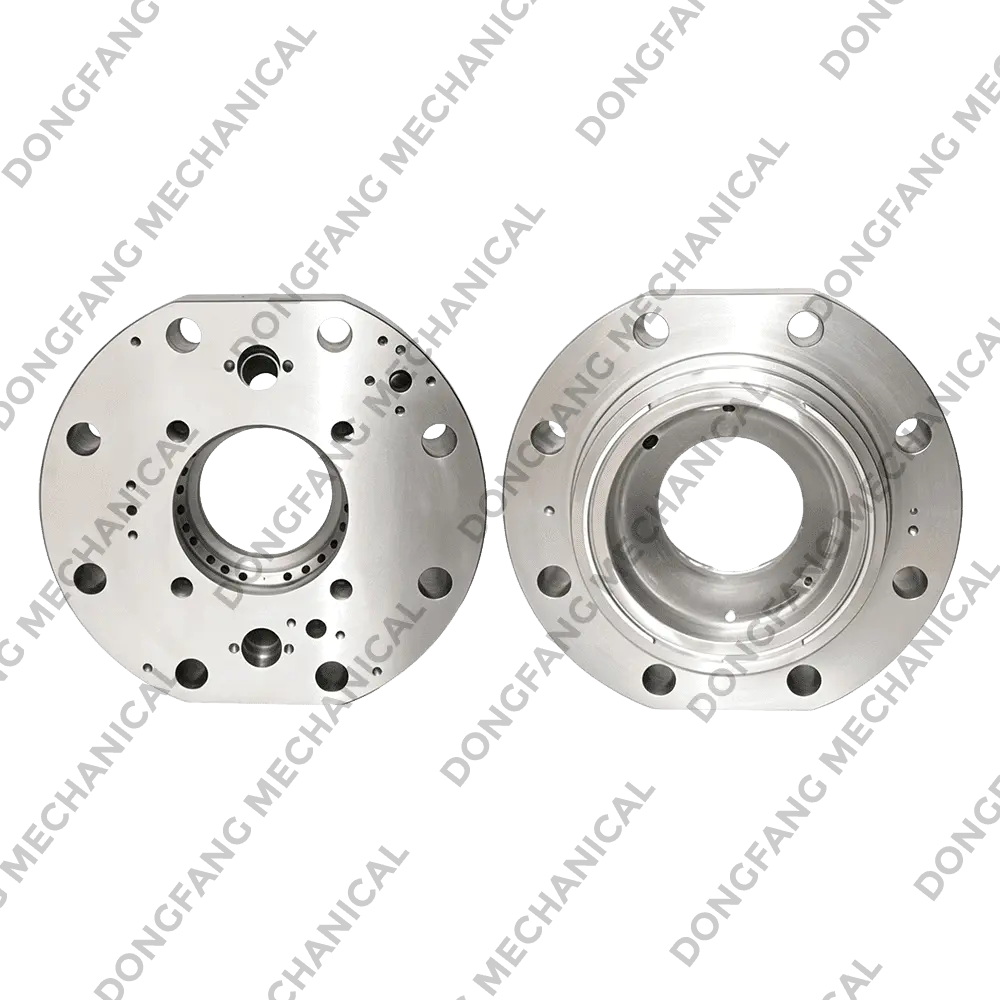
S26MC
Product Overview
The S26MC cylinder head is an aftermarket replacement part developed for compatible MAN marine diesel engine applications. It is manufactured for professional use in marine engine repair, scheduled overhaul, component replacement, and spare-parts inventory management.
A cylinder head used in a marine diesel engine performs several functions at the same time. It provides the upper boundary of the combustion chamber, houses or supports the fuel injection and exhaust-valve areas, transfers heat to the cooling system, and contributes to the correct positioning of valve-related components. It also helps maintain the pressure seal between the cylinder liner, piston crown, cylinder head, and associated gaskets.
Because the S26MC cylinder head is intended for an established marine engine model, its value depends on more than material strength alone. The replacement part must be manufactured according to the relevant design dimensions and must be suitable for integration with related components, including valves, valve seats, valve cages, valve guides, gaskets, studs, nuts, and cooling-system connections.
The product is supplied by a manufacturer specializing in cylinder heads, cylinder liners, valves, valve seats, valve cages and guides, connecting rods, piston pins, and piston heads for imported and domestic marine diesel engines. This product range gives the manufacturer broad knowledge of the interfaces and operating relationships among the major parts inside a marine diesel engine.
| Item | Product Information |
|---|---|
| Product | S26MC cylinder head |
| Application | Compatible MAN marine diesel engine replacement |
| Product type | Aftermarket marine diesel engine spare part |
| Primary function | Combustion chamber closure, valve support, and thermal management |
| Typical users | Shipowners, repair yards, marine engineers, distributors, and engine service companies |
| Related components | Valves, valve seats, valve cages, valve guides, gaskets, fasteners, and cooling-system parts |
| Manufacturer experience | More than 20 years of marine diesel component manufacturing experience |
| Quality system | ISO 9001 certification obtained in 2001 |
Why the Cylinder Head Matters in Marine Diesel Engines
Marine diesel engines operate under conditions that are often more severe than those found in many land-based applications. A propulsion or auxiliary engine may run for long periods at a relatively stable load, while the surrounding environment exposes the engine to salt-laden air, humidity, vibration, fluctuating temperatures, and limited opportunities for repair. These factors make the integrity of every major engine component important.
The cylinder head is exposed directly or indirectly to the highest-temperature areas of the engine. Combustion takes place below the head, and the heat generated by fuel ignition must be controlled and transferred through designated cooling passages. At the same time, the cylinder head must retain its mechanical strength under combustion pressure and maintain accurate alignment for the valve and injection systems.
If a cylinder head develops a crack, distortion, leakage path, or damaged sealing surface, the consequences can be serious. Cooling water may enter areas where it does not belong, combustion gases may escape through the gasket, compression may decline, or hot gases may erode nearby surfaces. Valve operation may also become unreliable if the relevant seats, guides, or support areas are not correctly positioned.
For this reason, a replacement cylinder head should be selected according to its complete service function rather than its appearance alone. A dependable product should offer dimensional consistency, suitable material performance, stable casting or forging quality where applicable, carefully machined interfaces, and compatibility with the engine’s existing parts.
Combustion Sealing
The cylinder head contributes to the sealed combustion chamber required for efficient diesel operation. The sealing area must remain stable under repeated changes in pressure and temperature. Correct flatness, surface finish, bolt-hole positioning, and gasket contact are all relevant to maintaining a reliable seal.
An aftermarket cylinder head with poorly controlled sealing surfaces may create repeated maintenance problems even if it appears visually similar to the original component. The S26MC replacement is produced with attention to the dimensional and interface requirements needed for professional marine engine service.
Valve and Injection Support
Valve-related components must remain correctly aligned during operation. The cylinder head provides the supporting structure for these components and must be manufactured with suitable accuracy around the relevant bores, seats, and contact areas. Depending on the engine configuration, the head may also incorporate or support fuel injection-related passages and mounting locations.
The relationship between the cylinder head and its associated valve components affects gas flow, sealing, heat transfer, and service life. A manufacturer with experience producing both cylinder heads and related valve parts can better understand these component interfaces during production and quality control.
Cooling and Heat Transfer
Marine diesel cylinder heads commonly include internal cooling-water passages designed to remove heat from the combustion chamber, exhaust-valve area, and other high-temperature zones. These passages must be formed and finished correctly. Restrictions, incomplete passages, casting defects, or contamination can reduce cooling performance.
Effective manufacturing therefore requires control of the internal structure as well as the external dimensions. Cleaning, inspection, pressure testing where applicable, and final quality verification are important steps in reducing the risk of hidden defects.
Engineering Features of the S26MC Replacement Cylinder Head
The S26MC cylinder head is intended to provide a practical replacement solution for compatible MAN marine diesel engine maintenance. Its engineering value is based on its ability to integrate with the engine system while meeting the demands of marine operation.
Application-Specific Compatibility
Application-specific design is one of the most important advantages of a dedicated replacement cylinder head. Rather than treating the part as a generic engine casting, the manufacturer develops and produces it for a defined engine application. This supports more accurate control of mounting dimensions, valve locations, connection points, and sealing interfaces.
Before ordering, customers should confirm the exact engine model, component number, drawing reference, production version, and required configuration. Marine engines may have modifications or different component arrangements depending on build year, overhaul history, or vessel application. Professional verification helps ensure that the replacement part is correctly matched to the engine.
Heavy-Duty Marine Service
The replacement cylinder head is designed for the operating environment associated with marine diesel engines. This includes prolonged running, high thermal loads, mechanical vibration, and exposure to a humid or salt-influenced atmosphere. Material selection and manufacturing controls must therefore support structural durability and resistance to service-related deterioration.
A marine component should not be evaluated only by its initial purchase price. The total value also includes installation efficiency, expected service stability, inspection requirements, replacement frequency, and the risk of unplanned downtime. A correctly produced cylinder head can contribute to a more predictable maintenance program.
Compatibility with Associated Components
The cylinder head functions as part of an assembly. It may be installed with valves, valve seats, valve cages, guides, gaskets, studs, nuts, fuel-system components, and cooling-system connections. The quality of the complete installation depends on the interaction among these parts.
Because the manufacturer also produces many related marine engine components, customers can obtain a more coordinated spare-parts solution. This may simplify sourcing, reduce communication between multiple suppliers, and help ensure that related components are selected with compatible dimensions and service requirements.
Service-Oriented Replacement Design
A replacement component should support the practical needs of maintenance personnel. This includes stable dimensions, accessible technical communication, consistent production quality, and packaging appropriate for international shipment and storage. A part that is difficult to verify, install, or support can create additional costs even when its nominal price is low.
The S26MC product is positioned for professional aftermarket use, allowing shipowners and service organizations to maintain access to replacement parts without relying exclusively on the original engine manufacturer’s supply chain.
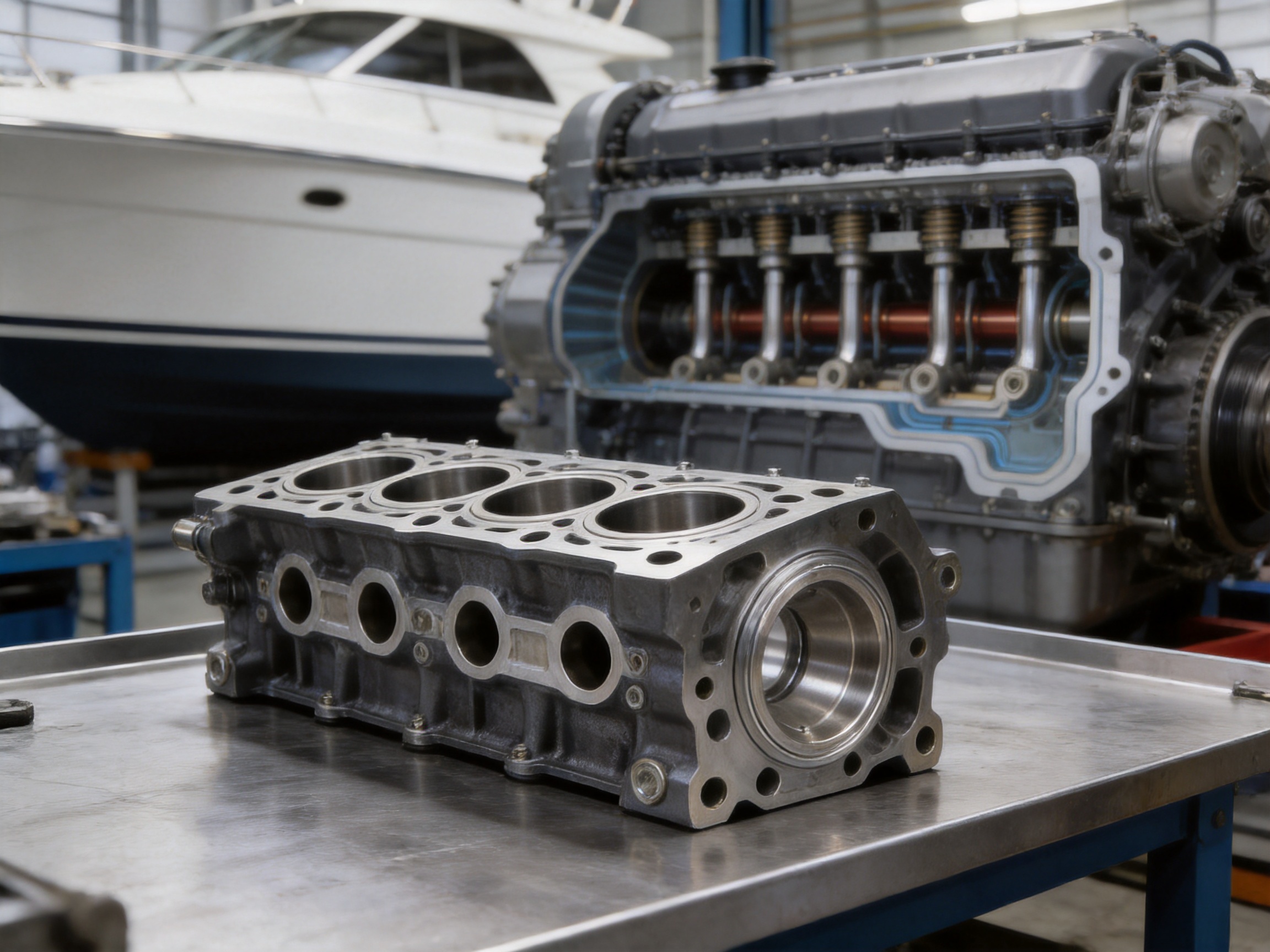
Manufacturing Strengths and Production Experience
Zhoushan Putuo Dongfang Machinery Co., Ltd. was founded in 1996 and specializes in the development, research, manufacturing, and import of components for imported and domestic marine diesel engines. With more than 20 years of experience, the company has built its production activities around the requirements of marine engine maintenance and spare-parts supply.
The company is located in the Shenjiamen Pingyang Industrial Zone of Zhoushan, Zhejiang Province. Its location provides access to land, sea, and air transportation, which is valuable for a marine equipment supplier serving customers in different regions. Efficient logistics can be especially important when a vessel is waiting for a critical maintenance component.
The company covers more than 8,000 square meters and operates a workshop of more than 5,000 square meters. Its reported annual production exceeds 5,000 sets. This scale provides a foundation for organized production, equipment investment, inventory planning, and repeat manufacturing of established product designs.
Specialized Product Knowledge
A manufacturer that focuses on marine diesel engine components develops knowledge through repeated production, inspection, troubleshooting, and customer feedback. This accumulated experience can help identify common dimensional risks, machining challenges, casting concerns, and assembly interfaces.
Specialization also supports product-family consistency. Cylinder heads, liners, valves, valve seats, valve cages, guides, connecting rods, piston pins, and piston heads do not operate independently. Understanding their relationships can improve the development and inspection of each component.
Organized Workshop Capability
A dedicated workshop of substantial size allows production activities to be arranged according to process requirements. Typical operations may include material preparation, forming or casting, heat treatment where required, rough machining, precision machining, cleaning, inspection, finishing, marking, and packing.
Although exact process details may vary according to the component design, organized production helps reduce handling errors and supports more consistent process control. It also enables the manufacturer to manage repeat orders and maintain continuity between production batches.
Experienced Technical Personnel
Marine engine components require practical manufacturing knowledge in addition to basic machining capability. Experienced professionals understand the importance of sealing surfaces, concentricity, bore alignment, valve-seat positioning, cooling passages, thread quality, and dimensional relationships.
Technical experience is also valuable when customers provide incomplete information. A professional supplier can assist with product identification, drawing confirmation, component matching, and inquiry clarification. This reduces the risk of ordering a part based only on a photograph or an approximate description.
Production Capacity and Supply Stability
With reported annual production of more than 5,000 sets, the company has the capacity to serve both individual maintenance requirements and distributor orders. Supply stability is an important advantage in the aftermarket because vessel operators may need several components during scheduled fleet maintenance or major overhauls.
Stable production can also help distributors maintain stock for commonly requested marine engine models. Shorter procurement uncertainty allows repair organizations to plan labor, dry-dock schedules, and vessel dispatch more effectively.
Quality Management and Inspection Considerations
The company obtained ISO 9001 certification in 2001. A quality management system provides a structured framework for production planning, documentation, process control, corrective action, and customer service. Certification alone does not replace product inspection, but it demonstrates a commitment to organized quality procedures.
For a cylinder head, quality control should address both visible and hidden characteristics. External appearance is relevant, but it cannot confirm the accuracy of internal cooling passages, material integrity, bore alignment, or sealing-surface flatness. A comprehensive inspection approach is therefore important.
Material Verification
Material selection affects strength, heat resistance, machinability, and long-term durability. Depending on the design, the cylinder head may require a cast or forged material with suitable mechanical and thermal properties. Material documentation and traceability can help confirm that the correct material has been used.
Customers with specific requirements may request material certificates, mechanical-property information, or inspection documentation before shipment. These requirements should be discussed during the quotation and order-confirmation stages.
Dimensional Inspection
Dimensional inspection may include overall height and width, mounting-hole positions, sealing-surface dimensions, valve-guide bores, valve-seat locations, thread dimensions, cooling connections, and other critical interfaces. The exact inspection points depend on the engine design and technical documentation.
Accurate measuring equipment and qualified inspection personnel are necessary for meaningful results. Repeatable measurement procedures also help ensure consistency between production batches.
Surface and Machining Inspection
Machined surfaces must be checked for correct finish, absence of damaging tool marks, and conformity with the required geometry. Sealing surfaces deserve particular attention because scratches, distortion, or excessive roughness may contribute to leakage after installation.
Threads, bores, counterbores, and contact surfaces should also be inspected. Proper finishing helps support efficient assembly and reduces the need for unnecessary corrective work at the repair site.
Internal Passage and Cleanliness Control
Internal passages should be free from loose sand, chips, scale, machining debris, and other contaminants. Any remaining material can circulate through the engine or obstruct a cooling passage. Cleaning and visual or specialized inspection of internal areas are therefore important parts of final preparation.
Where specified by the customer or applicable technical requirements, pressure testing or leakage testing may be used to assess the integrity of water passages and other relevant areas. The appropriate inspection method should be determined according to the cylinder-head design and order requirements.
Final Verification and Packaging
Before shipment, the cylinder head should be checked against the order information, product identification, quantity, and required accessories. Protective packaging should prevent impact, moisture exposure, corrosion, and contamination during transport and storage.
Good packaging is particularly important for heavy precision-machined components. Damage to a sealing surface or machined bore during transportation can compromise an otherwise satisfactory product.
Advantages Over Less Specialized Aftermarket Sources
The aftermarket includes suppliers with different levels of technical experience, production control, and marine industry knowledge. The main advantage of a specialized manufacturer is the ability to combine product understanding with controlled manufacturing and practical service support.
More Focused Application Knowledge
A supplier that concentrates on marine diesel engine components is more likely to understand the operating conditions and maintenance practices associated with these engines. This focused knowledge can be valuable when confirming compatibility or addressing questions about related parts.
By contrast, a general-purpose foundry or machining company may be able to reproduce an external shape but may not have the same depth of knowledge concerning combustion sealing, cooling passages, valve alignment, and marine overhaul procedures.
Broader Component Coordination
The manufacturer’s range includes several interconnected engine components. This gives customers the option of sourcing a cylinder head together with valves, valve seats, valve cages, guides, liners, connecting rods, piston pins, or piston heads, subject to application confirmation.
Coordinated sourcing may reduce the risk of dimensional mismatch between parts from different suppliers. It can also simplify documentation and communication for repair yards and distributors.
Established Production History
A company operating since 1996 has had many years to develop manufacturing routines, supplier relationships, inspection procedures, and customer-service practices. Experience does not eliminate the need for current quality control, but it can provide a stronger foundation than an inexperienced supplier with limited marine-sector history.
Support for Repeat Orders
Marine maintenance frequently involves repeat requirements. Shipowners and distributors may need the same component for sister vessels, future overhauls, or inventory replenishment. A manufacturer with established production records can help support repeat orders through product identification and production continuity.
Quality-Focused Business Approach
The company describes its business philosophy as based on integrity, pragmatism, continuous improvement, quality-first standards, reasonable prices, and dedicated service. These principles are relevant to industrial spare-parts procurement because customers need both technical reliability and consistent commercial communication.
Benefits for Shipowners and Marine Repair Organizations
For shipowners, the S26MC cylinder head can serve as part of a planned maintenance strategy. Keeping a suitable replacement available can reduce dependence on emergency procurement and help shorten the time required for an engine overhaul.
For repair yards, a reliable aftermarket source can support more flexible project planning. A cylinder head that arrives with suitable documentation, protective packaging, and clear identification can reduce receiving inspection time and improve workshop efficiency.
For distributors, the product offers an opportunity to develop inventory around a recognized marine engine application. Product specialization, manufacturing experience, and a broader component range can support customer retention and repeat business.
For vessel operators working in regions with limited access to original spare parts, an established aftermarket supplier can provide an additional procurement channel. This may be particularly useful when delivery time, budget control, or fleet standardization is important.
Reduced Maintenance Uncertainty
Unexpected cylinder-head problems can lead to delays, additional labor, and possible disruption to vessel schedules. Procuring a replacement from a qualified manufacturer helps reduce uncertainty related to product identification, manufacturing consistency, and technical communication.
Potentially Better Lifecycle Value
The lowest initial purchase price does not always represent the lowest total cost. A cylinder head that requires repeated correction, causes premature leakage, or lacks reliable support may become more expensive over its service life. A quality-focused replacement can offer better lifecycle value through improved installation confidence and service predictability.
Support for Planned Overhaul Work
Planned maintenance allows the repair team to inspect the cylinder head, confirm associated component requirements, and order parts before the engine is opened. The S26MC replacement can be included in an overhaul plan when inspection findings or service intervals indicate that replacement is appropriate.
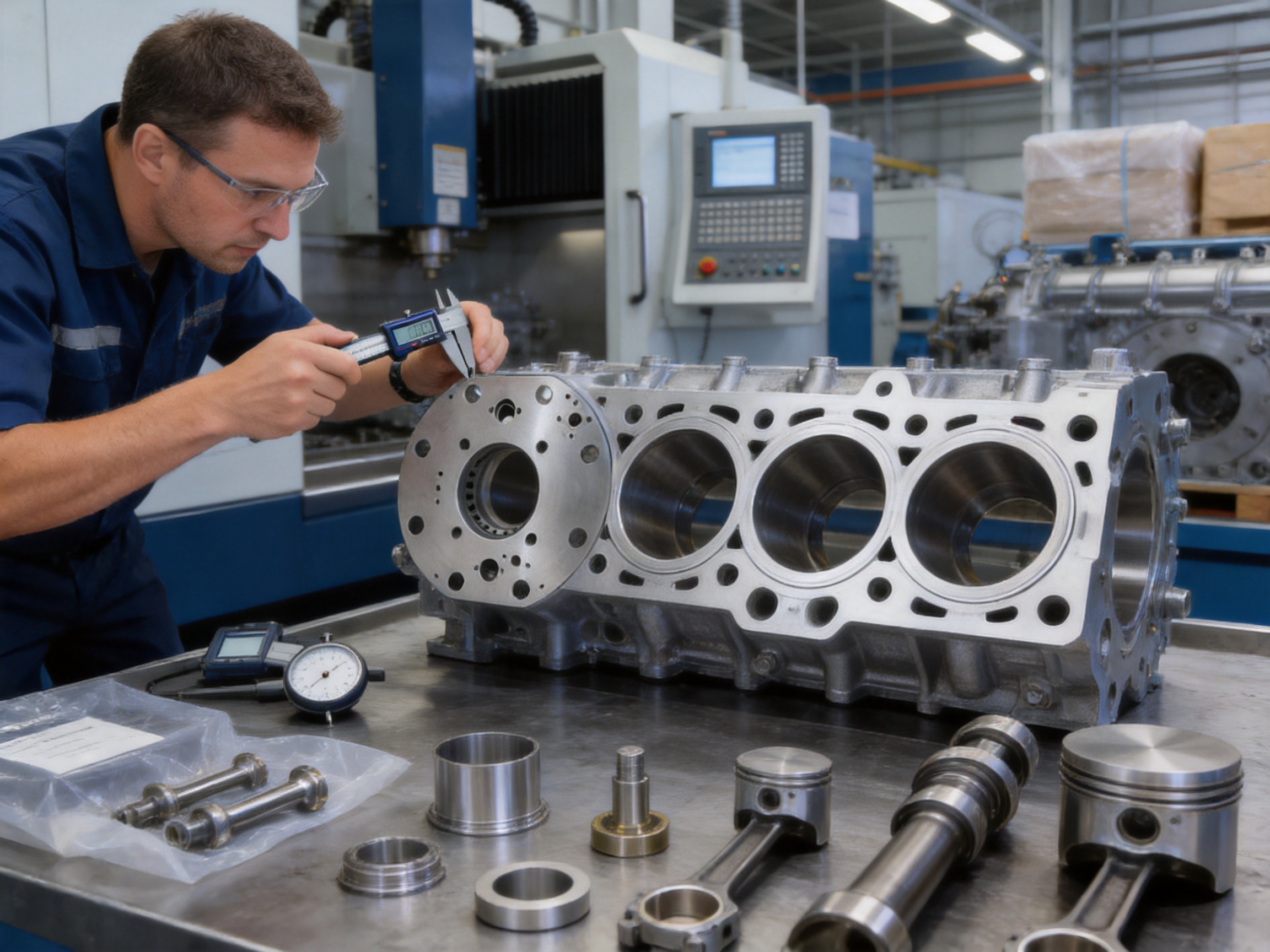
Installation and Maintenance Recommendations
Installation should be performed by qualified marine engine personnel using the applicable engine documentation and approved maintenance procedures. The cylinder head, mating surfaces, gasket, fasteners, valve components, and cooling connections should be inspected before assembly.
The mating surface should be clean and free from old gasket material, corrosion products, oil, and foreign particles. Any cleaning method should avoid damaging the sealing surface or introducing debris into internal passages.
Before installation, technicians should compare the replacement cylinder head with the removed component and verify important dimensions and connection points. This comparison is not a substitute for technical documentation, but it can help identify obvious differences before assembly begins.
Fasteners should be installed and tightened according to the applicable engine procedure. Correct tightening sequence and torque are important because uneven loading can cause sealing problems or distortion. Reusable fasteners should be assessed according to the engine manufacturer’s maintenance requirements.
Valve seats, guides, cages, valves, and related components should be checked for wear and correct fit. Installing a new cylinder head together with worn or unsuitable associated parts may limit the performance and service life of the complete assembly.
After installation, the cooling system should be checked for leaks, the lubrication system should be prepared according to the maintenance procedure, and the engine should be monitored during initial operation. Abnormal temperature, pressure, leakage, exhaust appearance, or noise should be investigated promptly.
Storage Before Installation
If the cylinder head will not be installed immediately, it should be stored in a clean, dry, protected area. Machined surfaces should remain protected from moisture and impact. Heavy components should be supported securely to prevent distortion or accidental damage.
Long-term storage procedures may include corrosion protection, periodic inspection, and controlled packaging conditions. Customers should follow their own maintenance and preservation standards for marine spare parts.
Inspection During Service
During scheduled maintenance, technicians should inspect the cylinder head for cracks, erosion, corrosion, deformation, gasket leakage marks, valve-seat damage, and abnormal deposits. Cooling passages should be checked for restriction or contamination where access permits.
Inspection findings should be documented. Records can help determine whether a component should be repaired, returned to service, or replaced with a new aftermarket cylinder head.
Ordering and Technical Confirmation
To reduce the risk of an incorrect shipment, customers should provide as much technical information as possible when requesting the S26MC cylinder head. Useful information may include the engine model, component name, part number, drawing number, serial number, quantity, delivery location, and any special inspection or documentation requirements.
Photographs can support communication, but photographs alone may not establish complete compatibility. The most reliable confirmation is based on technical references, dimensional information, and the engine’s specific configuration.
Customers should also clarify whether the cylinder head is required as a bare component or with associated parts such as valves, valve seats, valve cages, guides, gaskets, studs, or other accessories. The required scope should be stated clearly in the purchase inquiry.
| Information to Confirm | Reason for Confirmation |
|---|---|
| Engine model and version | Different versions may use different dimensions or component arrangements |
| Part number or drawing reference | Supports accurate product identification |
| Quantity required | Allows production and inventory planning |
| Bare head or complete assembly | Clarifies the supply scope and related components |
| Inspection documents | Ensures required certificates or reports are prepared |
| Delivery destination | Supports freight planning and packaging arrangements |
| Installation schedule | Helps coordinate manufacturing and shipment timing |
Environmental and Operational Considerations
Marine engine components operate in an environment where corrosion prevention and cleanliness are important. Salt exposure, humidity, cooling-water quality, and long storage periods can all affect component condition. A high-quality cylinder head should therefore be handled and preserved appropriately from the factory to the engine room.
Cooling-water management is especially important. Deposits, corrosion products, and inadequate treatment may reduce heat-transfer performance or damage internal passages over time. Even a correctly manufactured cylinder head requires a properly maintained cooling system to achieve a long service life.
Combustion quality also affects cylinder-head condition. Incorrect fuel injection, poor atomization, excessive exhaust temperature, or abnormal combustion can increase thermal stress and accelerate wear around valves and combustion-chamber areas. Maintenance of the complete engine system is therefore essential.
The cylinder head should be considered part of a broader reliability program that includes fuel-system maintenance, lubrication control, cooling-system treatment, valve adjustment, exhaust monitoring, and regular inspection.
Why Manufacturing Process Control Matters
Marine spare parts are often installed in engines where access is limited and downtime is costly. A manufacturing defect that is not detected before shipment may require the engine to be opened again, creating additional labor and schedule risk. Process control helps reduce this possibility.
Process control begins with clear technical requirements. It continues through material preparation, forming, machining, cleaning, inspection, marking, and packaging. Each stage can affect the final product, and weaknesses at one stage may not be corrected automatically at a later stage.
For example, accurate machining cannot fully compensate for a fundamental material defect. Likewise, good material quality cannot compensate for incorrect bore location or damaged sealing surfaces. A reliable cylinder head requires coordinated control of material, geometry, machining, cleanliness, and final verification.
The company’s long-term specialization, workshop resources, experienced personnel, ISO 9001 certification, and annual production capacity provide a manufacturing foundation for this type of coordinated process. Customers can further strengthen quality assurance by specifying inspection requirements and requesting relevant documentation before production begins.
Conclusion
The S26MC cylinder head is a specialized aftermarket replacement component for compatible MAN marine diesel engines. It is intended to support the demanding requirements of marine propulsion and auxiliary-engine maintenance, where thermal stability, dimensional accuracy, sealing reliability, and long-term service performance are essential.
Its principal advantages include application-focused compatibility, suitability for heavy-duty marine service, coordination with related engine components, and support from a manufacturer with extensive marine diesel component experience. Zhoushan Putuo Dongfang Machinery Co., Ltd. has operated since 1996, maintains a substantial production workshop, produces more than 5,000 sets annually, and obtained ISO 9001 certification in 2001.
The company’s broader expertise in cylinder liners, valves, valve seats, valve cages, valve guides, connecting rods, piston pins, and piston heads strengthens its understanding of complete marine engine assemblies. This can provide practical value to shipowners, repair yards, and distributors seeking consistent sourcing and technical communication.
For the best result, customers should confirm the exact engine configuration, part number, drawing reference, supply scope, inspection requirements, and delivery schedule before ordering. Correct installation, clean mating surfaces, suitable associated components, proper fastener tightening, and effective cooling-system maintenance are equally important after delivery.
When selected and installed correctly, the S26MC cylinder head can form a dependable part of a planned marine diesel engine overhaul program. Its value lies not only in replacing a worn or damaged component, but also in helping operators maintain engine availability, manage maintenance costs, and support reliable vessel operation.
Questions and Answers
What is the S26MC cylinder head used for?
The S26MC cylinder head is used as an aftermarket replacement component for compatible MAN marine diesel engines. It closes the upper part of the cylinder, supports combustion sealing, accommodates valve-related components, and contributes to the engine’s cooling and gas-flow functions.
Is this cylinder head suitable for every MAN marine diesel engine?
No. Compatibility must be confirmed according to the exact engine model, version, part number, drawing reference, and configuration. Customers should provide technical information before ordering to ensure that the replacement matches the intended engine.
What information should be provided when requesting a quotation?
Customers should provide the engine model, component number if available, quantity, required delivery location, desired delivery schedule, and whether a bare cylinder head or a complete assembly is required. Inspection certificates and special packaging requirements should also be stated.
Depending on the inspection results and overhaul scope, related parts may include valves, valve seats, valve cages, valve guides, gaskets, studs, nuts, cooling connections, and other associated components. The required parts should be confirmed according to the engine maintenance procedure.
What are the main quality concerns for a marine cylinder head?
Important concerns include material integrity, dimensional accuracy, sealing-surface condition, valve-seat and guide alignment, cooling-passage cleanliness, thread quality, resistance to thermal stress, and protection against transport damage.
Does ISO 9001 certification guarantee that every component is perfect?
ISO 9001 certification demonstrates that the company operates within a structured quality management framework, but every product must still be manufactured and inspected according to its specific technical requirements. Customers may request product documentation and inspection records when needed.
Can the cylinder head be supplied with other marine engine components?
The manufacturer specializes in a range of marine diesel engine components, including cylinder liners, valves, valve seats, valve cages and guides, connecting rods, piston pins, and piston heads. Availability and compatibility should be confirmed for each specific order.
How should the cylinder head be stored before installation?
It should be stored in a clean, dry, protected area with machined surfaces safeguarded against corrosion, impact, and contamination. The component should be supported securely and inspected periodically during long-term storage.
What should be checked before installation?
The repair team should verify the product identification, inspect the mating surface, compare important dimensions with the technical documentation, clean the engine interface, check the gasket and fasteners, and inspect associated valve components before assembly.
Why is it valuable to purchase from a specialized marine component manufacturer?
A specialized manufacturer generally has more focused knowledge of marine engine operating conditions, component interfaces, production requirements, and maintenance practices. This can improve product identification, technical communication, repeat-order consistency, and overall procurement confidence.
References
1. Manufacturer-provided product information for the S26MC aftermarket cylinder head.
2. Manufacturer-provided company profile and marine diesel component production history.
3. ISO 9001 quality management system principles for manufacturing organizations.
4. General marine diesel engine maintenance practices for cylinder heads, valves, cooling systems, and combustion components.
5. General engineering guidance concerning dimensional inspection, sealing surfaces, internal passages, and heavy-duty engine component installation.