عربى

Content
- 1 1. The Role of a Cylinder Head in a Marine Diesel Engine
- 2 2. Application of the L23/30H Replacement Cylinder Head
- 3 3. Principal Advantages of a High-Quality Aftermarket Cylinder Head
- 3.1 3.1 Designed for Practical Marine Maintenance
- 3.2 3.2 Reliable Pressure Containment
- 3.3 3.3 Improved Resistance to Thermal Cycling
- 3.4 3.4 Accurate Valve-Train Interfaces
- 3.5 3.5 Consistent Cooling-Water Passage Geometry
- 3.6 3.6 Strong Value Compared with More Expensive Supply Options
- 3.7 3.7 Support for Planned Inventory Programs
- 4 4. Manufacturing Expertise and Company Strengths
- 5 5. Manufacturing Process for the Replacement Cylinder Head
- 5.1 5.1 Technical Review and Product Identification
- 5.2 5.2 Material Preparation
- 5.3 5.3 Casting or Forming Operations
- 5.4 5.4 Rough Machining
- 5.5 5.5 Precision Machining
- 5.6 5.6 Valve-Seat and Guide Preparation
- 5.7 5.7 Cleaning and Passage Inspection
- 5.8 5.8 Pressure and Leakage Testing
- 5.9 5.9 Final Inspection and Packaging
- 6 6. Quality Controls That Support Service Reliability
- 7 7. Comparison with Alternative Replacement Choices
- 8 8. Installation and Maintenance Recommendations
- 9 9. Purchasing Guidance for Shipowners and Distributors
- 10 10. Environmental and Operational Considerations
- 11 11. Why Choose This Replacement Solution?
- 12 12. Frequently Asked Questions
- 12.1 Q1: What is the main function of the L23/30H cylinder head?
- 12.2 Q2: Is this cylinder head an original equipment part?
- 12.3 Q3: Can the cylinder head be used for every engine with a similar designation?
- 12.4 Q4: What quality system supports production?
- 12.5 Q5: What should be checked before installing the replacement head?
- 12.6 Q6: Is pressure testing important?
- 12.7 Q7: Can the supplier provide other marine engine components?
- 12.8 Q8: What information should be included in a quotation request?
- 12.9 Q9: How does a new aftermarket head compare with repairing an old head?
- 12.10 Q10: How should the cylinder head be maintained after installation?
- 13 Conclusion
- 14 References
- 15 Product: L23/30H
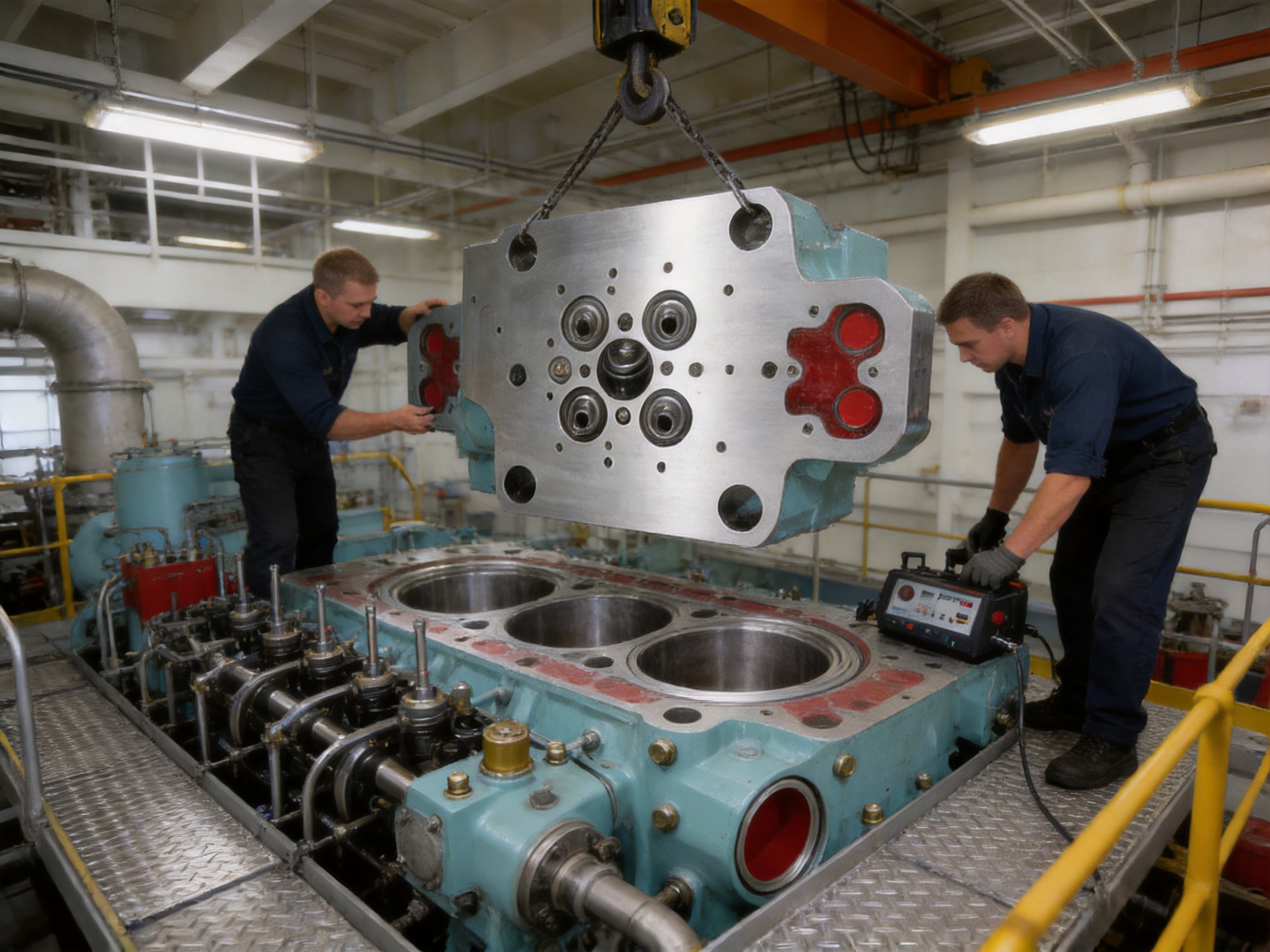
A cylinder head is one of the most important structural and functional components in a marine diesel engine. It closes the upper part of the cylinder, forms the combustion chamber, supports critical valve-train components, and contains passages for cooling water, lubricating oil, fuel injection equipment, and exhaust gas flow. Because it operates under high combustion pressure, repeated thermal cycling, vibration, and corrosive marine conditions, the cylinder head must be manufactured with exceptional dimensional accuracy, material stability, and quality control.
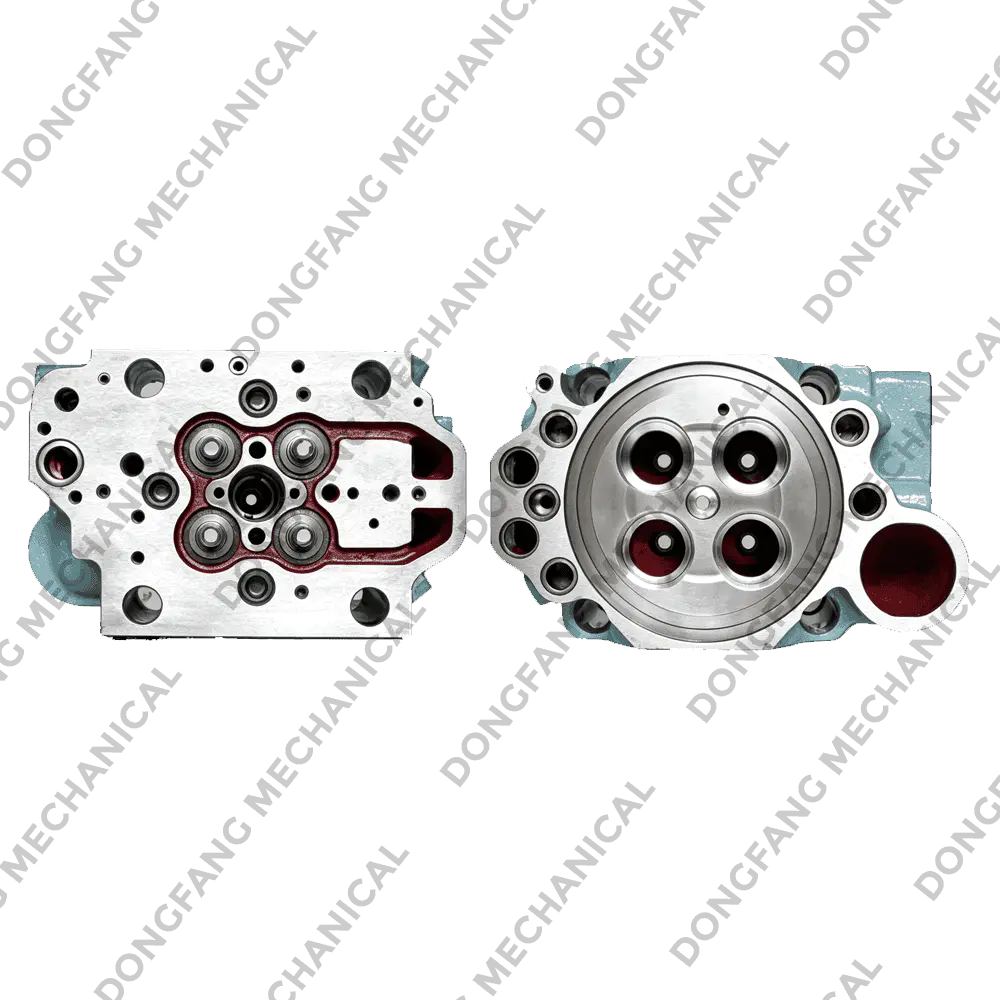
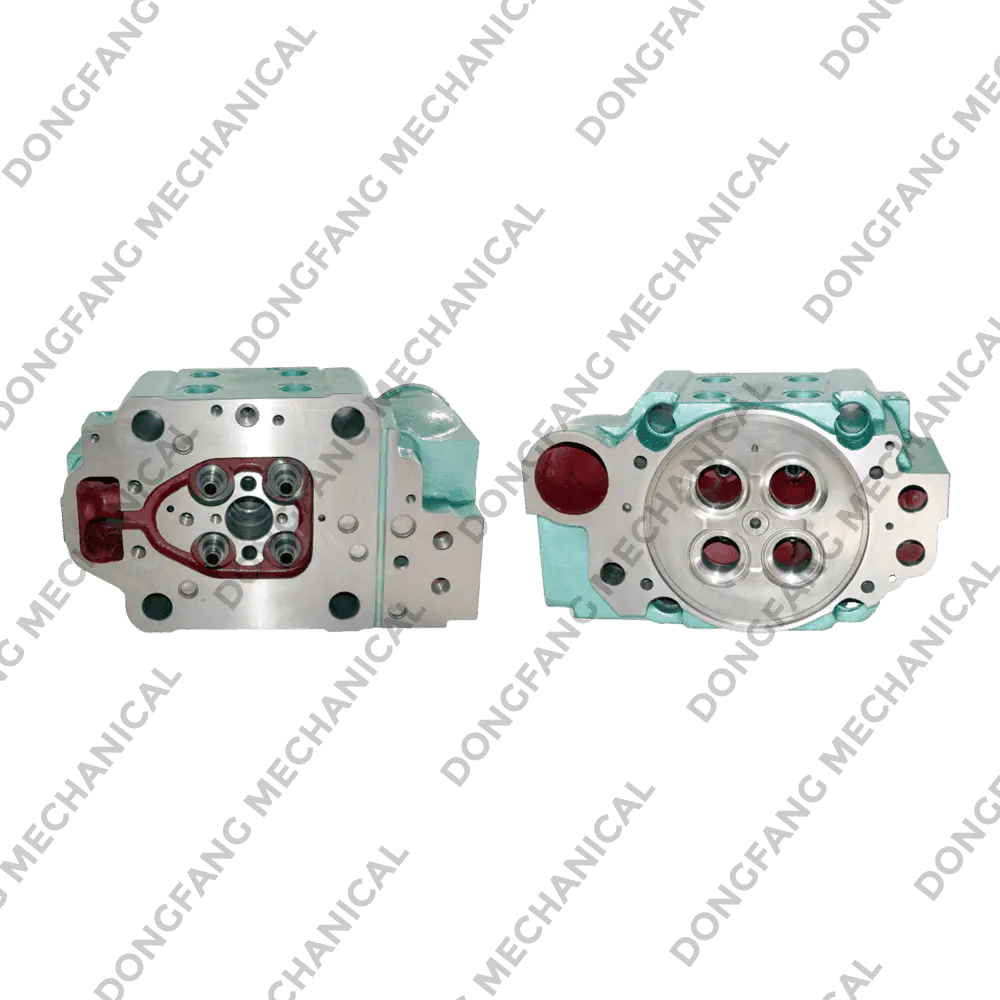
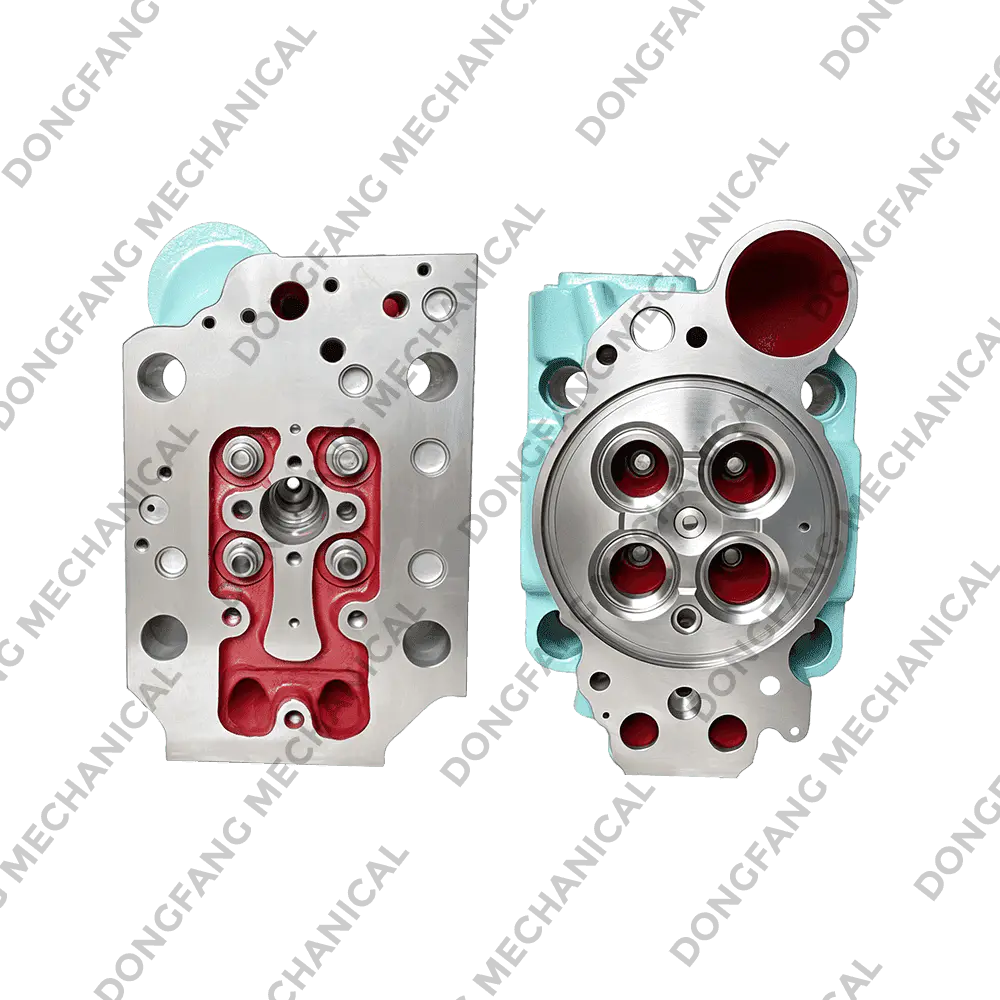
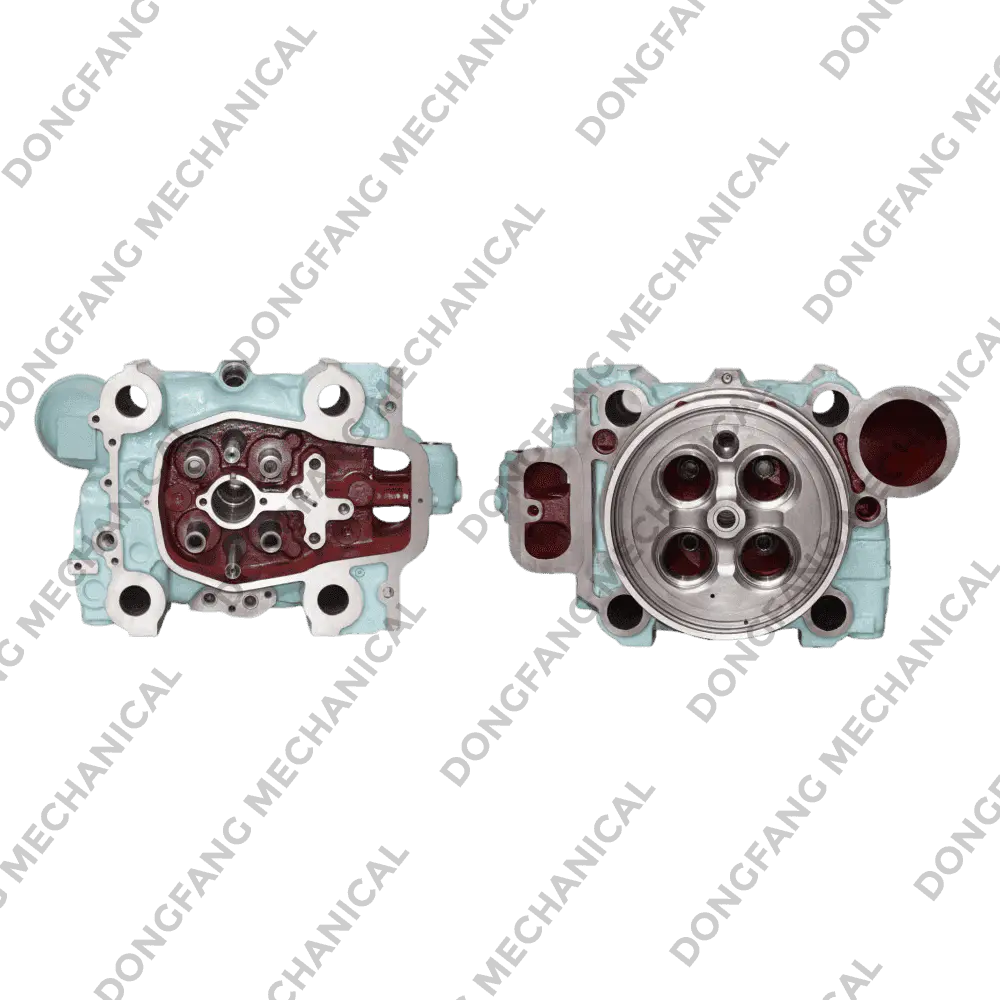
The L23/30H cylinder head presented in this article is an aftermarket replacement component designed for marine diesel engine maintenance and repair applications. It is manufactured by Zhoushan Putuo Dongfang Machinery Co., Ltd., a specialized Chinese producer and OEM supplier of cylinder heads, cylinder liners, valves, valve seats, valve cages and guides, connecting rods, piston pins, and piston heads for imported and domestic marine diesel engines.
With an established manufacturing history dating back to 1996, the company combines practical marine-engine experience, specialized production equipment, professional technical personnel, and a quality-management system certified to ISO 9001. Its manufacturing capabilities are intended to provide shipowners, ship repair companies, engine maintenance contractors, distributors, and marine spare-parts dealers with reliable alternatives to original replacement parts.
This article explains the role of the L23/30H cylinder head, its principal advantages, the engineering considerations behind its production, the company’s manufacturing strengths, installation requirements, inspection points, and the reasons a carefully produced aftermarket cylinder head can offer strong value during planned maintenance and urgent repair work.
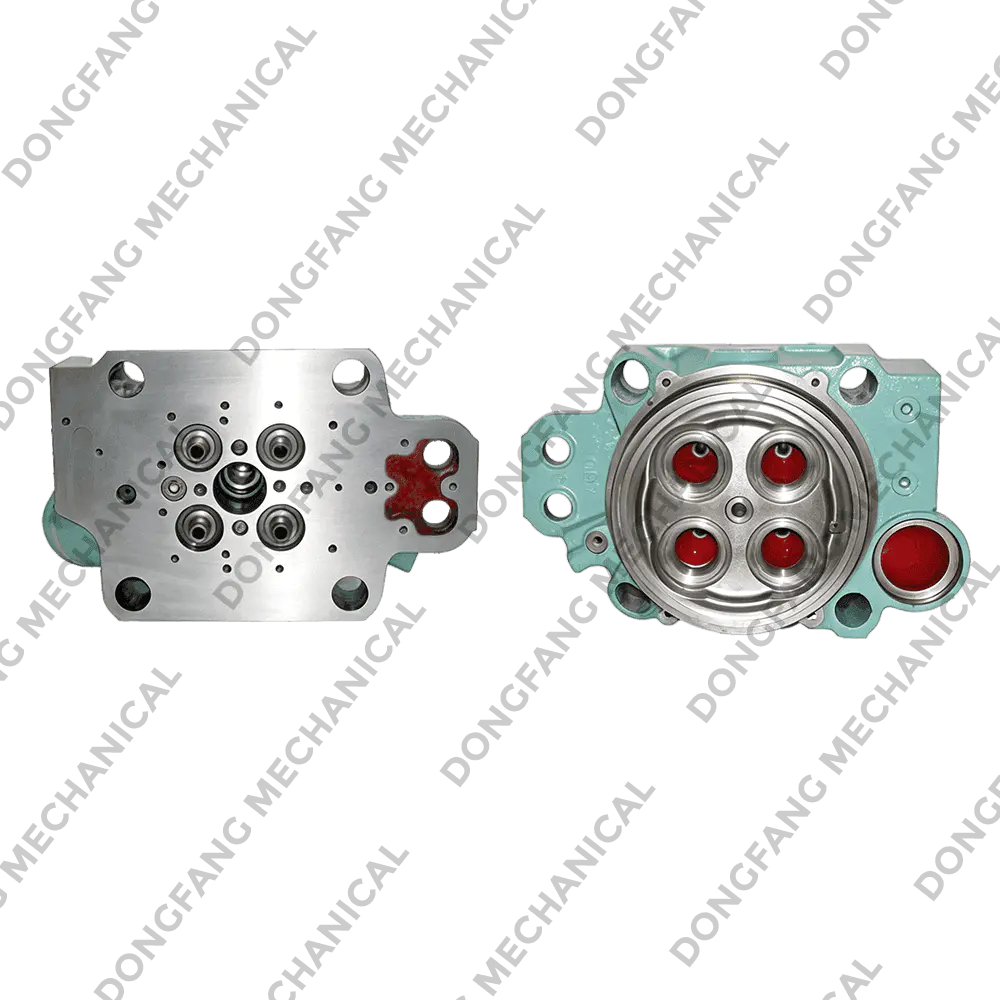
L23/30H
1. The Role of a Cylinder Head in a Marine Diesel Engine
The cylinder head performs several functions simultaneously. First, it seals the top of the cylinder liner and creates the combustion chamber together with the piston crown and cylinder liner. During operation, fuel is injected into highly compressed air, producing combustion pressure that acts directly on the underside of the cylinder head. The head must contain this pressure without distortion, cracking, or leakage.
Second, the cylinder head houses or supports the engine’s gas-exchange components. Depending on the engine design, these components may include inlet valves, exhaust valves, valve seats, valve guides, valve cages, fuel injection equipment, starting-air arrangements, and related sealing elements. The precise relationship between these parts determines how efficiently the engine admits fresh air and releases exhaust gas.
Third, the cylinder head contains internal cooling passages. These passages allow cooling water to remove heat from the combustion chamber roof, valve areas, exhaust passage, and other high-temperature zones. A properly designed cooling circuit reduces thermal stress and helps protect the head from overheating, localized hot spots, and fatigue damage.
Fourth, the head may include or connect to lubricating-oil passages that supply valve-train components and other moving parts. Any restriction, leakage, or dimensional error in these passages can affect lubrication performance and may lead to accelerated wear.
For these reasons, a cylinder head is not a simple cast-metal cover. It is a precision-engineered pressure, heat, and fluid-management component. Its performance depends on the quality of the base material, the integrity of the casting or forging, the accuracy of machining, the quality of the valve-seat and guide interfaces, and the effectiveness of final inspection.
2. Application of the L23/30H Replacement Cylinder Head
The L23/30H cylinder head is intended for replacement use in compatible marine diesel engine applications. It is suitable for maintenance programs in which an existing cylinder head has suffered from cracking, corrosion, distortion, valve-seat damage, water leakage, combustion-gas leakage, or excessive wear around valve and injector locations.
Replacement may also be appropriate when the original component has reached the end of its service life and continued repair would be uneconomical. In many cases, an engine operator must decide whether to overhaul an installed head, purchase a remanufactured component, or install a new aftermarket replacement. The correct choice depends on the condition of the existing part, repair lead time, vessel operating schedule, and total maintenance cost.
A new aftermarket cylinder head can be especially useful when a vessel requires a dependable spare part within a practical delivery period. It may reduce dependence on a single supply channel and give shipowners more flexibility when planning overhauls. However, compatibility must always be confirmed using the engine model, component drawings, identification marks, dimensions, configuration, and required accessory arrangement before an order is finalized.
The product is supplied as a replacement component rather than as a universal cylinder head. Marine diesel engines may have different valve arrangements, cooling passages, fuel-injection configurations, stud patterns, gasket surfaces, and accessory interfaces even when their general size appears similar. Technical confirmation is therefore essential for every application.
3. Principal Advantages of a High-Quality Aftermarket Cylinder Head
3.1 Designed for Practical Marine Maintenance
A marine engine operates in a demanding environment where maintenance work is often performed under time pressure. A replacement cylinder head must support an efficient repair process. A properly manufactured component should have accurate mounting surfaces, correctly positioned holes, suitable valve and guide locations, and a configuration that corresponds with the intended engine application.
When these features are controlled carefully, technicians can reduce corrective fitting, minimize installation delays, and avoid repeated removal of the component. This is particularly important for commercial vessels, workboats, offshore support vessels, and auxiliary power systems where downtime can affect schedules, cargo operations, or contractual commitments.
3.2 Reliable Pressure Containment
Combustion pressure places a major mechanical load on the cylinder head. The component must maintain its structural integrity during continuous firing cycles. A high-quality replacement head is manufactured with attention to material selection, casting quality, wall thickness, stress concentration, and machining accuracy.
Reliable pressure containment helps reduce the risk of combustion-gas leakage into the cooling system, leakage across the cylinder-head gasket, and progressive cracking around highly loaded areas. While no component can compensate for incorrect installation, poor cooling, improper tightening, or abnormal engine operation, a soundly produced head provides a strong foundation for dependable service.
3.3 Improved Resistance to Thermal Cycling
Marine engines frequently operate for long periods at steady load, but they also experience starting, stopping, load changes, maneuvering, and occasional emergency operation. These conditions create repeated thermal expansion and contraction. The combustion-side surface becomes extremely hot, while cooling passages remain at a controlled lower temperature. The resulting temperature difference produces thermal stress.
Manufacturing control can reduce the likelihood of defects that become crack initiation points during thermal cycling. Stable material properties, sound casting practice, controlled heat treatment where applicable, and accurate machining all contribute to better service performance. Particular attention is required around valve seats, injector openings, exhaust passages, cooling-water zones, and sharp transitions in geometry.
3.4 Accurate Valve-Train Interfaces
The cylinder head directly influences valve operation. Valve guides must maintain the correct alignment and clearance. Valve seats must be positioned accurately and provide an effective sealing surface. Valve cages, guide bores, and related interfaces must be machined to the required relationship with the head face and combustion chamber.
Accurate interfaces help support proper valve seating, effective heat transfer from the valve to the head, stable compression, and controlled lubrication. They also reduce the risk of uneven contact, abnormal valve wear, gas leakage, and localized overheating. If valve components are supplied separately, the installation team should verify dimensions and contact patterns before final assembly.
3.5 Consistent Cooling-Water Passage Geometry
Cooling-water passages are essential to cylinder-head life. Their geometry affects flow distribution, heat removal, and the formation of hot spots. Deposits, corrosion, manufacturing residue, and incorrect passage dimensions can reduce cooling performance.
A carefully produced replacement head should be inspected for passage continuity, cleanliness, wall integrity, and potential leakage. Good manufacturing practice also includes protection against contamination during machining, storage, and transport. Before installation, all accessible passages should be cleaned and checked according to the engine maker’s maintenance procedure.
3.6 Strong Value Compared with More Expensive Supply Options
One of the main reasons shipowners consider aftermarket components is cost control. A replacement cylinder head from a specialized manufacturer may offer a more economical purchasing option than a premium-priced original supply channel, while still meeting the practical requirements of the application.
Cost advantage should not be evaluated only by the initial purchase price. The total value includes dimensional compatibility, manufacturing consistency, expected service life, delivery reliability, technical communication, inspection documentation, and the reduction of unplanned downtime. A component that requires extensive modification or fails prematurely does not provide genuine savings. In contrast, a correctly manufactured and properly verified aftermarket head can provide an attractive balance between quality, availability, and price.
3.7 Support for Planned Inventory Programs
Marine operators commonly maintain critical spare parts because vessels may work far from major ports. A cylinder head can be a high-value but strategically important spare. Keeping a suitable replacement in stock may shorten recovery time after a failure and allow maintenance teams to schedule an overhaul during a planned port call.
The manufacturer’s product range includes cylinder heads and other engine components for various imported and domestic marine diesel engines. This broader capability can help buyers coordinate multiple spare-part requirements through one experienced supplier, subject to product confirmation for each engine model.
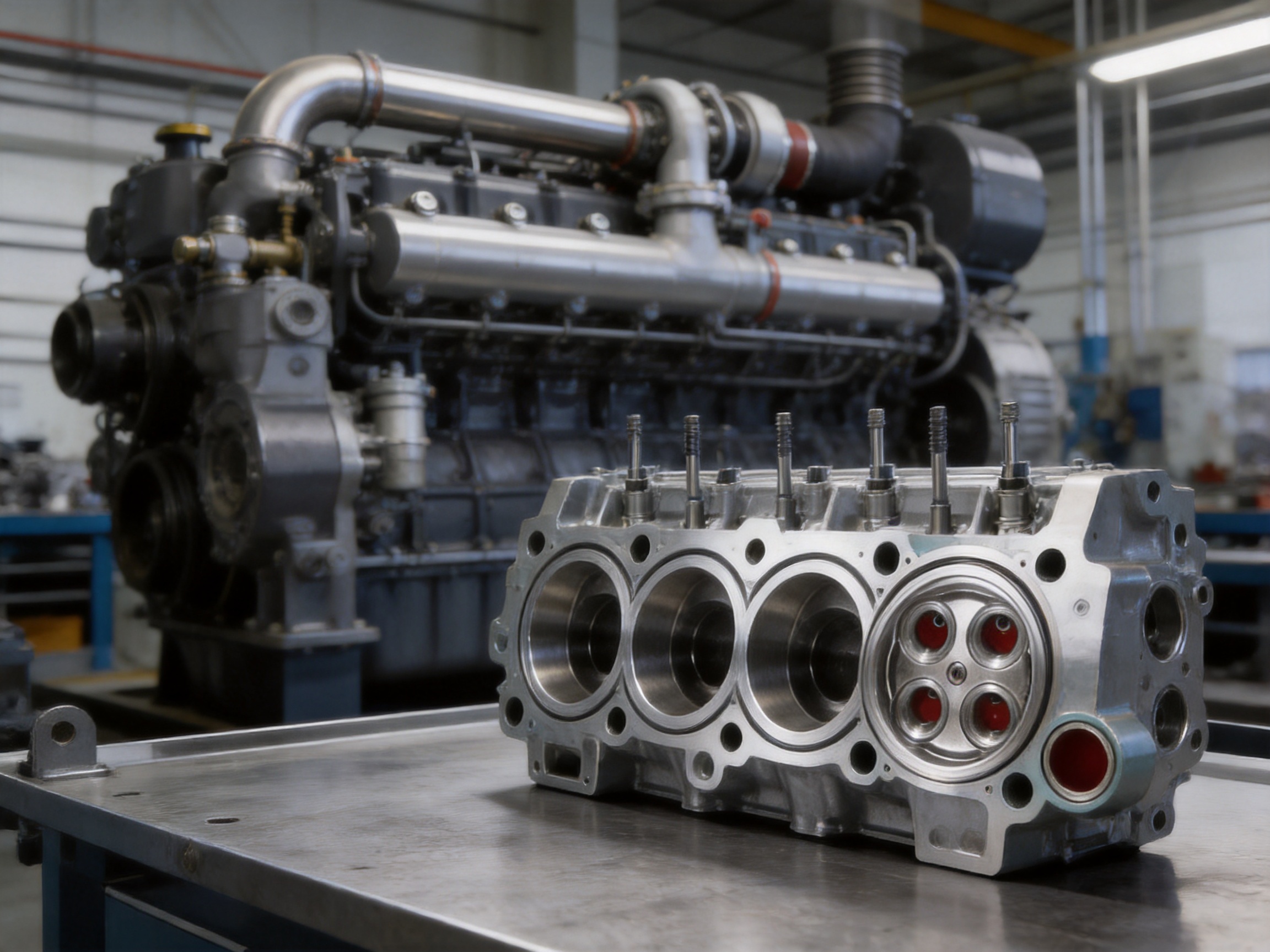
4. Manufacturing Expertise and Company Strengths
4.1 Long-Term Experience in Marine Diesel Components
Zhoushan Putuo Dongfang Machinery Co., Ltd. was founded in 1996 and has more than two decades of experience in the development, research, manufacturing, and import of marine diesel engine components. This operating history is important because marine replacement parts require more than general metalworking capability.
Marine engine components must be understood in relation to combustion pressure, cooling systems, lubrication, valve-train geometry, installation procedures, and onboard maintenance conditions. Experience with these systems enables a manufacturer to focus on the areas that most strongly influence reliability and interchangeability.
The company’s specialization covers cylinder heads, cylinder liners, valves, valve seats, valve cages and guides, connecting rods, piston pins, and piston heads. This product scope provides a useful understanding of the complete combustion and reciprocating assembly rather than treating each part as an isolated item.
4.2 Dedicated Production Facilities
The company occupies an area of more than 8,000 square meters and operates a workshop exceeding 5,000 square meters. A dedicated production environment supports the organization of casting, machining, inspection, storage, and dispatch activities. It also gives the manufacturer space to manage work-in-process components and maintain production equipment suitable for different product sizes and configurations.
Facility scale alone does not guarantee product quality, but it provides the physical foundation for structured manufacturing. Appropriate separation of operations can reduce contamination, improve material identification, and make workflow control more effective. It also supports the use of specialized fixtures, measuring equipment, cleaning stations, and inspection areas.
4.3 Production Capacity
The company reports annual production of more than 5,000 sets. This capacity indicates experience with repeat manufacturing and batch production. Repeat production can support improved process familiarity, more consistent tooling, and a stronger historical understanding of common dimensional requirements.
Production capacity is also valuable for customers who require several replacement components or who want to establish a regular supply arrangement. Nevertheless, capacity must be combined with order-specific control. Each cylinder head should be manufactured and inspected according to the correct engine configuration, drawing revision, material requirement, and customer specification.
4.4 ISO 9001 Quality Management
The company obtained ISO 9001 certification in 2001. An ISO 9001-based management system emphasizes controlled processes, documented procedures, traceability, corrective action, customer requirements, and continual improvement.
For a cylinder head manufacturer, the practical value of such a system lies in the consistency of production and inspection activities. Important controls may include incoming-material verification, process documentation, equipment maintenance, measurement-system management, nonconformance handling, final inspection, and record retention.
Certification does not eliminate the need for product-specific verification, but it provides evidence that the company has established a formal framework for managing quality. Buyers may request relevant inspection records, material information, dimensional reports, pressure-test results, and other documentation appropriate to the order.
4.5 Professional Technical Personnel
Experienced technical personnel are essential when producing complex engine components. Engineers and skilled technicians must understand drawings, tolerances, machining sequences, sealing surfaces, valve geometry, casting characteristics, and inspection methods.
The company’s long-term focus on imported and domestic marine diesel engine components supports the development of this practical knowledge. Technical experience can also improve communication with shipowners, distributors, repair yards, and purchasing departments when a customer needs to identify an unfamiliar component or confirm a replacement configuration.
4.6 Stable Product Quality and Service Orientation
The company’s stated business philosophy emphasizes integrity, pragmatism, continuous improvement, quality-first standards, reasonable prices, and dedicated service. These principles are relevant to marine spare-parts procurement because the buyer usually needs both a physical component and dependable communication.
Clear responses regarding drawings, dimensions, delivery schedules, packaging, inspection documents, and technical questions can reduce purchasing risk. A supplier that understands the urgency of vessel repair can also help the customer make a faster and more informed decision, provided that all technical information is verified before production or dispatch.
5. Manufacturing Process for the Replacement Cylinder Head
5.1 Technical Review and Product Identification
Manufacturing begins with product identification. The supplier should confirm the engine model, cylinder-head designation, applicable drawing, required configuration, and customer quantity. The order may also require information about valve arrangement, fuel-injector position, starting-air fittings, cooling connections, gasket design, and accessory components.
This stage is essential because a similar-looking cylinder head may not be interchangeable. A controlled technical review reduces the risk of producing a component with incorrect hole locations, passage arrangements, or installation interfaces.
5.2 Material Preparation
The material must be suitable for a component exposed to combustion pressure, high temperature, cooling water, and mechanical loading. Material preparation includes identification, storage, and verification of the selected metal or alloy. Depending on the approved specification, chemical composition and mechanical properties may be checked through supplier documentation or testing.
Material traceability allows the manufacturer to connect the finished product with its raw-material source and production records. This is especially valuable for critical marine components, where customers may require documentation for internal quality systems or vessel maintenance files.
5.3 Casting or Forming Operations
The main body of a cylinder head may be produced through a controlled casting or other approved forming process. The manufacturing method must create the required external shape, internal wall structure, cooling passages, and material distribution.
During this stage, attention is required to prevent shrinkage, porosity, inclusions, cold shuts, incomplete filling, and other defects. Sound process control supports structural integrity and reduces the chance that hidden defects will later develop into leakage or cracking.
After forming, the component may undergo cleaning, removal of excess material, heat treatment where required, and preliminary inspection. The purpose is to stabilize the component and prepare it for precision machining.
5.4 Rough Machining
Rough machining establishes the principal reference surfaces and removes excess material. These operations may include preparation of the cylinder-head face, external mounting areas, valve locations, guide bores, injector openings, threaded holes, and connection points.
Reference control is important. If the first datum surfaces are inaccurate, subsequent operations may reproduce the error throughout the component. Correct fixturing and careful setup help maintain the relationship between the combustion surface, valve locations, mounting holes, and cooling passages.
5.5 Precision Machining
Precision machining brings the head to its required dimensional condition. The combustion face must be flat enough to form a reliable seal with the gasket and cylinder liner assembly. Valve-seat and guide bores must be aligned correctly. Stud holes, threaded holes, and connection surfaces must match the intended engine arrangement.
Machining tolerances must be controlled using calibrated measuring instruments. Depending on the feature, inspection may involve micrometers, bore gauges, coordinate measurement, height gauges, surface-finish instruments, straightedges, and dedicated checking fixtures.
The goal is not simply to achieve individual dimensions. The complete component must maintain the correct geometric relationship among all functional features. Flatness, perpendicularity, concentricity, parallelism, position, and surface finish may all affect installation and service performance.
5.6 Valve-Seat and Guide Preparation
Valve seats and guides have a direct influence on compression, gas flow, heat transfer, and valve life. The relevant bores and seating locations must be clean, correctly sized, and accurately aligned. If replaceable valve seats, cages, or guides are installed, the interference, contact, depth, and final machining must be controlled.
Improper seating can cause movement during operation, poor heat transfer, leakage, or loss of compression. Excessive interference may create unwanted stress, while insufficient interference may allow the insert to shift. For this reason, installation and finishing procedures should follow approved technical requirements.
5.7 Cleaning and Passage Inspection
Machining leaves chips, abrasive particles, cutting fluid, and residue that must be removed. Internal cooling-water and oil passages require particular attention because contamination can be difficult to detect after assembly.
Cleaning may include washing, brushing, flushing, compressed-air drying, and visual inspection. Accessible passage openings should be checked for burrs, obstructions, and signs of damage. The finished head should be protected from contamination during storage and packaging.
5.8 Pressure and Leakage Testing
Pressure testing is an important inspection step for a cylinder head because internal cooling passages must remain separate from the combustion chamber, oil passages, and external surfaces. A suitable test can reveal leakage caused by cracks, porosity, thin sections, or machining damage.
Testing parameters should be based on the approved technical procedure for the component. The test medium, pressure, holding time, temperature, and acceptance criteria should be recorded where documentation is required. A pressure-test report can provide useful evidence for the customer’s maintenance records.
5.9 Final Inspection and Packaging
Final inspection confirms that the head meets drawing and order requirements. Inspectors may verify dimensions, flatness, threaded holes, valve locations, sealing surfaces, passage cleanliness, identification marks, and accessory interfaces.
Once approved, the component should be preserved against corrosion and protected against impact. Sealing surfaces and precision bores should receive suitable protection. Heavy components require strong packaging that prevents movement during transportation. Clear identification helps the receiving team match the cylinder head with its purchase order and intended engine.
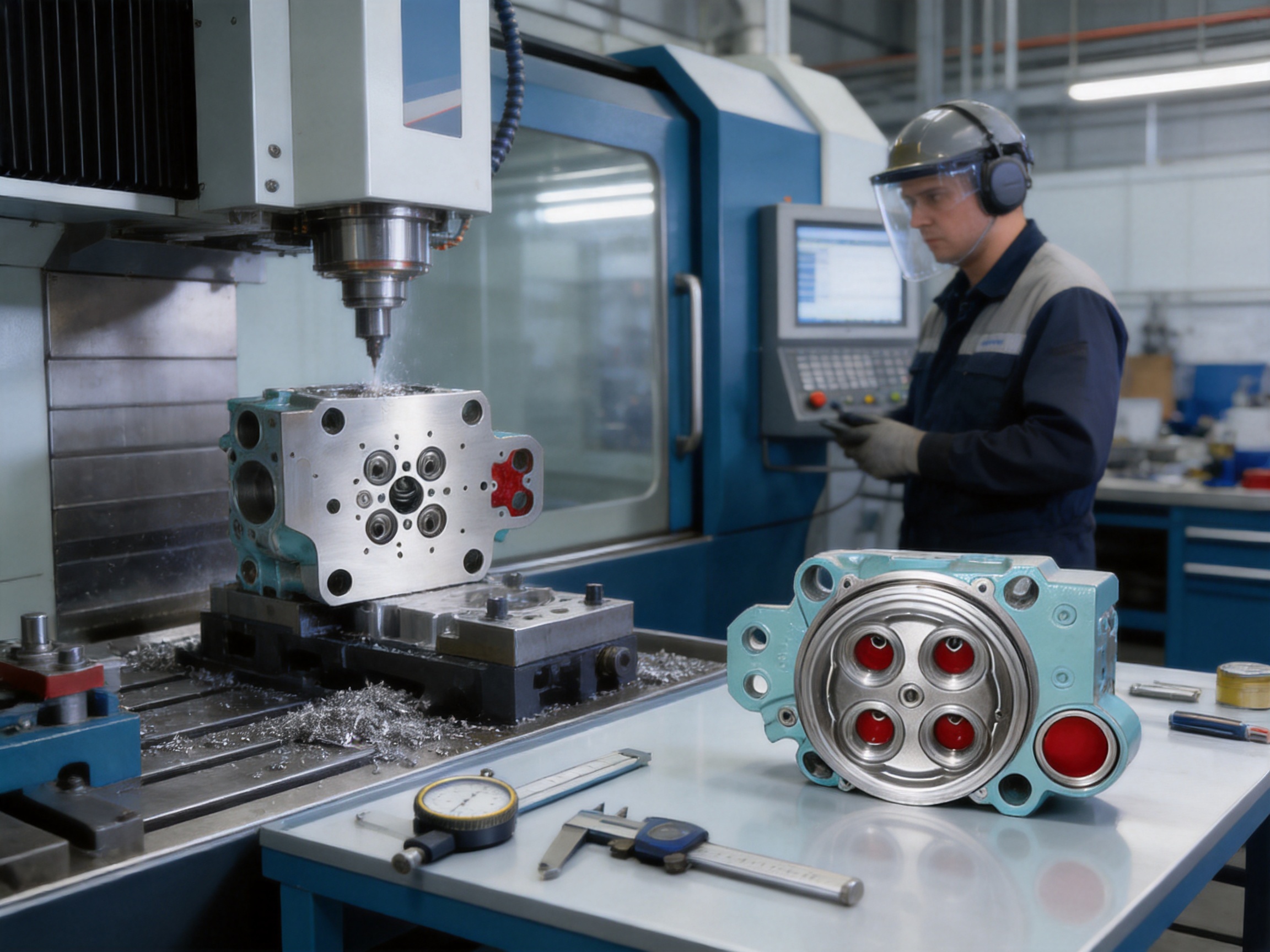
6. Quality Controls That Support Service Reliability
6.1 Dimensional Accuracy
Dimensional accuracy is fundamental to interchangeability. A head that is only slightly incorrect in a critical location may create installation difficulties, uneven gasket compression, valve misalignment, or interference with adjacent parts.
Important dimensions may include overall height, cylinder-head face flatness, bolt or stud-hole position, valve-guide bore size, valve-seat depth, injector opening dimensions, cooling-connection locations, and threaded-hole specifications. The exact inspection list depends on the approved drawing and engine configuration.
6.2 Surface Quality
Sealing surfaces require suitable finish and freedom from scratches, dents, raised material, corrosion, and machining marks that could compromise gasket performance. Valve-seat surfaces require controlled contact geometry. Threaded holes should be clean and free from damage.
Surface quality is particularly important because a cylinder head may be dimensionally correct yet still fail to seal if the relevant contact surfaces are damaged or improperly finished.
6.3 Crack and Defect Detection
Visual examination is useful but may not reveal every defect. Depending on the material, design, and customer requirement, additional non-destructive examination may be considered. Such methods can help identify surface or near-surface cracks, inclusions, and other discontinuities.
The appropriate method should be selected by qualified personnel and applied according to a controlled procedure. Results should be evaluated against defined acceptance criteria rather than subjective judgment alone.
6.4 Traceability and Documentation
Traceability connects the product to its material, manufacturing batch, inspection records, and shipment information. Identification marks should remain legible and should not interfere with functional surfaces.
For professional marine maintenance, useful documentation may include a product identification sheet, dimensional inspection report, pressure-test record, material certificate, packing list, and certificate of conformity. The exact documentation package should be agreed before production.
7. Comparison with Alternative Replacement Choices
7.1 New Aftermarket versus Repaired Original
Repairing an original cylinder head may be suitable when the damage is limited and the base material remains sound. However, repairs may involve welding, machining, seat replacement, guide replacement, pressure testing, and repeated inspection. The final cost and turnaround time can become significant.
A new aftermarket head eliminates many of the uncertainties associated with previous service history. It does not require the removal of old cracks, embedded deposits, or accumulated distortion. For a scheduled overhaul, this can simplify planning and provide a clean starting point for assembly.
7.2 New Aftermarket versus Remanufactured Component
A remanufactured component may offer good value when the remanufacturing process is rigorous and transparent. Buyers should ask about the original condition, repair history, replaced parts, machining records, pressure testing, and acceptance criteria.
A newly manufactured aftermarket cylinder head may offer greater predictability because it is produced from a new component body rather than an unknown used part. The best option depends on application risk, budget, availability, documentation, and the reputation of the supplier.
7.3 Specialized Supplier versus General Machine Shop
A general machine shop may have excellent machining capability but limited experience with marine diesel components. A specialized supplier is more likely to understand combustion-chamber geometry, valve-train interfaces, cooling passages, marine corrosion, and the documentation expected by professional buyers.
The supplier’s established focus on cylinder heads and related engine components is therefore a practical advantage. It supports more informed technical communication and helps the manufacturer build experience across a broad range of marine diesel applications.
8. Installation and Maintenance Recommendations
8.1 Confirm Compatibility Before Installation
Before installation, compare the replacement head with the removed component and approved technical information. Check the model designation, mounting-hole pattern, valve arrangement, injector opening, cooling connections, stud dimensions, gasket layout, and accessory positions.
Do not force a component into position or modify critical features without written technical approval. Any uncertainty should be resolved before assembly.
8.2 Inspect Mating Components
The performance of a new cylinder head depends on the condition of the cylinder liner, gasket, studs, nuts, valves, seats, guides, injector, cooling connections, and related parts. A new head installed with worn or damaged mating components may not deliver the expected result.
The cylinder-head landing surface should be clean and free from carbon, corrosion, burrs, and old gasket material. Studs should be checked for stretch, thread damage, corrosion, and correct engagement. Reusable fasteners should be assessed according to the engine maintenance instructions.
8.3 Use Correct Assembly Procedures
Assembly should follow the approved sequence and tightening values. Fasteners may require lubrication, a specific tightening order, staged torque, hydraulic tensioning, or angle control. Incorrect tightening can cause uneven gasket compression, distortion, or premature leakage.
Valve clearances, injector settings, rocker-arm arrangements, and related adjustments must be completed according to the applicable engine procedure. Cleanliness is essential throughout assembly, particularly around oil and cooling passages.
8.4 Flush and Verify Cooling Systems
Before commissioning, the cooling system should be checked for contamination, scale, corrosion products, and blocked filters. Cooling-water quality and treatment should follow the operator’s maintenance program.
After installation, inspect for external leakage and monitor cooling-water temperature, pressure, flow, and expansion-tank behavior. Abnormal temperature rise or unexplained pressure changes should be investigated immediately.
8.5 Conduct a Controlled Commissioning
The engine should be started and loaded progressively while monitoring exhaust temperature, cooling-water parameters, lubricating-oil pressure, combustion behavior, and leakage. Early operating data can reveal installation issues before they become serious damage.
Following the initial running period, the maintenance team may recheck accessible fasteners, valve clearances, connections, and inspection points according to the engine maker’s recommendations.
9. Purchasing Guidance for Shipowners and Distributors
When requesting a quotation, provide as much technical information as possible. Useful details include the engine model, cylinder-head designation, quantity, required delivery date, vessel location, drawing number, old-part photographs, identification marks, and any special accessory configuration.
Ask the supplier to confirm whether the quotation covers the bare cylinder head or a complete assembly with valves, seats, guides, cages, studs, plugs, and other parts. Product scope should be stated clearly to avoid misunderstanding.
It is also useful to request information about material, inspection, pressure testing, packaging, warranty conditions, and available documentation. If the component is needed for a classification-controlled vessel or a critical propulsion system, identify the documentation requirements at the beginning of the inquiry.
Delivery planning should consider manufacturing time, inspection time, export packaging, transportation, customs procedures, and arrival at the repair location. A technically suitable component that arrives after the vessel’s maintenance window may still create operational difficulty, so schedule coordination is important.
10. Environmental and Operational Considerations
A well-maintained cylinder head supports stable engine performance. Effective valve sealing helps maintain compression, while correct gas exchange supports efficient combustion. Reliable cooling helps the engine operate within its designed temperature range.
These factors can contribute to reduced fuel waste, lower thermal stress, and more consistent emissions performance. The cylinder head is only one part of the overall engine system, so actual environmental results also depend on fuel quality, injection condition, turbocharger performance, load profile, lubrication, maintenance practices, and control-system settings.
From a maintenance perspective, replacing a damaged cylinder head at the correct time can prevent secondary damage to valves, pistons, cylinder liners, injectors, and exhaust components. Preventive replacement may therefore reduce the environmental and economic impact of extended operation with a known defect.
11. Why Choose This Replacement Solution?
The L23/30H cylinder head combines the practical advantages expected from an aftermarket marine component with the manufacturing experience of a specialized supplier. Its value is based on several factors: application-focused production, technical familiarity with marine diesel engines, controlled machining, formal quality management, production capacity, and customer-oriented service.
Compared with an uncertain used component, a new replacement head provides a clearer manufacturing history. Compared with a repair that depends heavily on the condition of an old casting, it offers a more predictable starting point. Compared with a general-purpose machine-shop product, it benefits from a supplier whose business is centered on marine engine components.
The company’s facility, experienced personnel, ISO 9001 certification, and broad component range support its ability to serve both individual repair requirements and ongoing distribution programs. Its location in Zhoushan, Zhejiang Province, also places it within an important Chinese maritime region with access to marine transportation and ship-repair activity.
For shipowners, the most important consideration remains verified compatibility and documented quality. When those requirements are satisfied, a high-quality aftermarket cylinder head can provide a dependable and cost-effective solution for planned overhaul, emergency repair, and spare-parts inventory management.
12. Frequently Asked Questions
Q1: What is the main function of the L23/30H cylinder head?
The cylinder head closes the top of the cylinder, forms the combustion chamber, supports valve-train and fuel-injection components, and contains cooling and lubrication passages. It must withstand combustion pressure, thermal cycling, vibration, and marine operating conditions.
Q2: Is this cylinder head an original equipment part?
It is presented as a high-quality aftermarket replacement component manufactured by a specialized marine diesel engine parts supplier. Buyers should confirm the exact product scope, technical specification, and compatibility before placing an order.
Q3: Can the cylinder head be used for every engine with a similar designation?
No. Similar designations do not always guarantee interchangeability. The engine model, drawing, valve arrangement, mounting pattern, cooling passages, injector configuration, and accessory interfaces must be checked before purchase.
Q4: What quality system supports production?
The manufacturer obtained ISO 9001 certification in 2001. Its quality-management framework supports documented production processes, inspection, traceability, corrective action, and continual improvement.
Q5: What should be checked before installing the replacement head?
Inspect the cylinder liner, gasket, studs, nuts, valves, valve seats, guides, injector, cooling connections, and mating surfaces. Confirm that the replacement head is clean, undamaged, dimensionally correct, and suitable for the intended engine configuration.
Q6: Is pressure testing important?
Yes. Pressure testing can help identify leakage in internal cooling passages and reveal defects that may not be visible during a basic visual examination. Test conditions and acceptance criteria should follow the applicable technical procedure.
Q7: Can the supplier provide other marine engine components?
The company specializes in cylinder heads, cylinder liners, valves, valve seats, valve cages and guides, connecting rods, piston pins, and piston heads for imported and domestic marine diesel engines. Availability should be confirmed for each required model and specification.
Q8: What information should be included in a quotation request?
Provide the engine model, cylinder-head designation, quantity, required delivery date, vessel or repair location, drawing information, photographs, identification marks, and any required accessories or inspection documents.
Q9: How does a new aftermarket head compare with repairing an old head?
A new aftermarket head can provide a clean and more predictable component without the unknown damage history of a used part. Repairing an old head may still be practical when the original casting is sound, but the total cost, repair scope, and turnaround time should be evaluated carefully.
Q10: How should the cylinder head be maintained after installation?
Follow the approved engine maintenance schedule. Monitor cooling-water temperature and pressure, lubricating-oil pressure, exhaust temperatures, valve clearances, leakage, and combustion behavior. Maintain cooling-water quality and investigate abnormal readings promptly.
Conclusion
The L23/30H cylinder head is a critical marine diesel engine component whose quality directly affects combustion sealing, valve operation, heat transfer, cooling performance, and maintenance reliability. A suitable replacement must be more than dimensionally similar; it must be manufactured with controlled materials, accurate geometry, sound internal passages, reliable sealing surfaces, and effective inspection.
Zhoushan Putuo Dongfang Machinery Co., Ltd. brings more than two decades of experience, a specialized marine-component product range, a substantial production facility, annual output exceeding 5,000 sets, professional technical personnel, and ISO 9001-certified quality management to this field. These strengths support the production of aftermarket cylinder heads intended to deliver practical compatibility, stable performance, reasonable cost, and responsive service.
For shipowners, repair yards, and distributors, the best results come from combining a properly manufactured replacement head with correct technical verification, careful installation, clean assembly practices, controlled commissioning, and regular engine monitoring. When these conditions are met, the L23/30H replacement cylinder head can serve as a dependable solution for marine diesel engine overhaul and spare-parts planning.
References
1. ISO 9001, Quality Management Systems—Requirements.
2. General marine diesel engine maintenance principles for cylinder heads, valves, cooling systems, and combustion components.
3. Manufacturer-provided company information for Zhoushan Putuo Dongfang Machinery Co., Ltd.
4. Manufacturer-provided product information for the L23/30H replacement cylinder head.
5. Standard practices for dimensional inspection, pressure testing, non-destructive examination, and installation of marine engine components.
6. General engineering guidance on thermal fatigue, combustion sealing, valve-seat contact, and cooling-passage integrity in diesel engine cylinder heads.