عربى

Content
- 1 Product Overview
- 2 Why Cylinder Head Quality Matters
- 3 Key Product Advantages
- 4 Advanced Manufacturing Process
- 5 Quality Management and Manufacturing Strengths
- 6 Comparison with Lower-Quality Aftermarket Alternatives
- 7 Benefits for Different Customers
- 8 Installation and Maintenance Considerations
- 9 Ordering and Compatibility Verification
- 10 Packaging, Delivery, and Service Support
- 11 Environmental and Operational Efficiency
- 12 Recommended Inspection Checklist
- 13 Q&A
- 13.1 What is the PC2-6 cylinder head used for?
- 13.2 Is the PC2-6 suitable for every domestic diesel engine?
- 13.3 What are the main advantages of this replacement cylinder head?
- 13.4 Can the supplier provide related diesel engine parts?
- 13.5 Does the cylinder head arrive fully assembled?
- 13.6 How can a customer verify compatibility?
- 13.7 Why is the sealing surface important?
- 13.8 Why are valve guides and valve seats important?
- 13.9 What should be checked before installation?
- 13.10 Can a high-quality cylinder head solve all engine performance problems?
- 13.11 What makes an experienced supplier valuable?
- 13.12 Is the PC2-6 suitable for long-term fleet supply?
- 14 Conclusion
- 15 References
- 16 Product: PC2-6
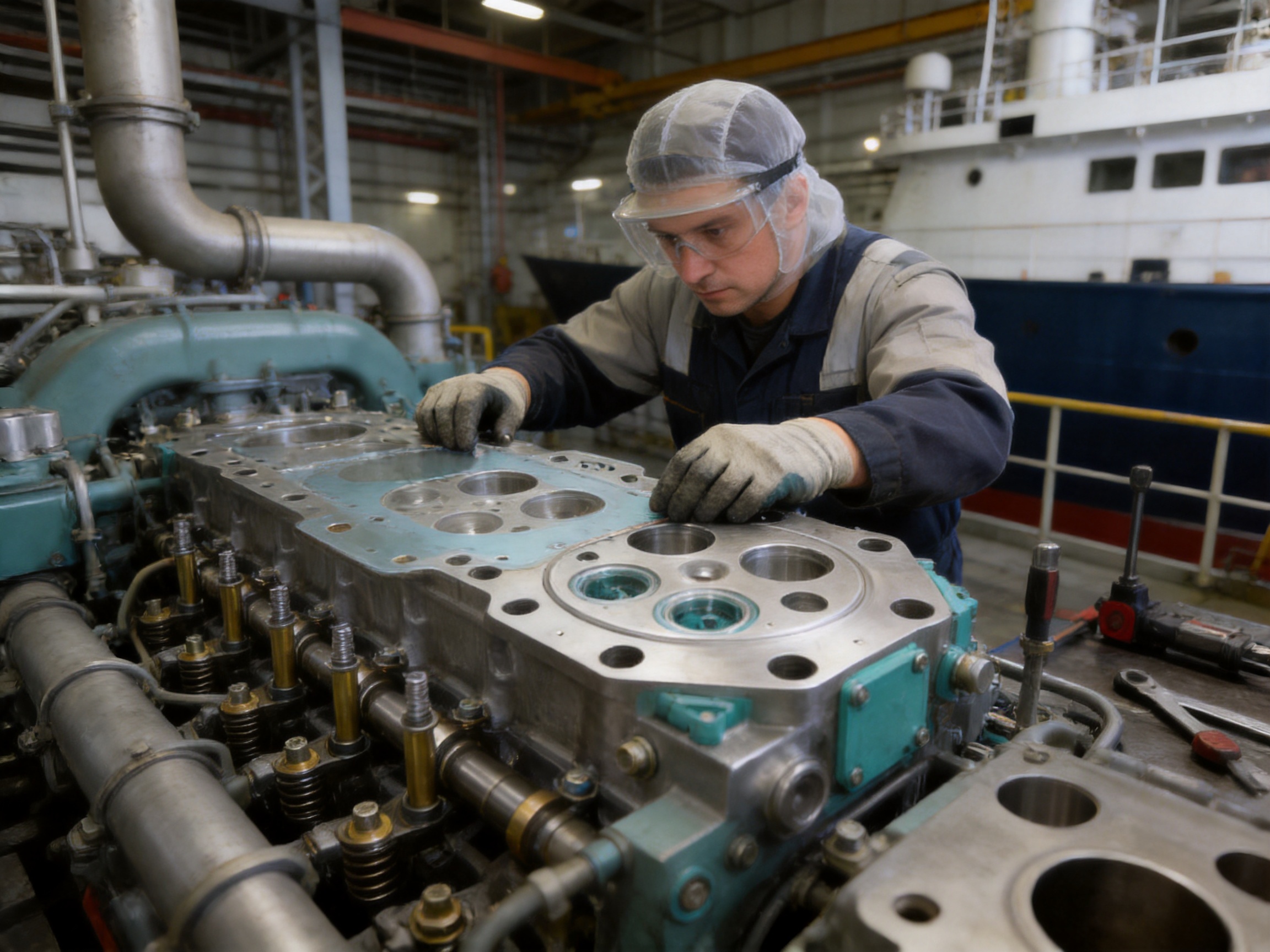
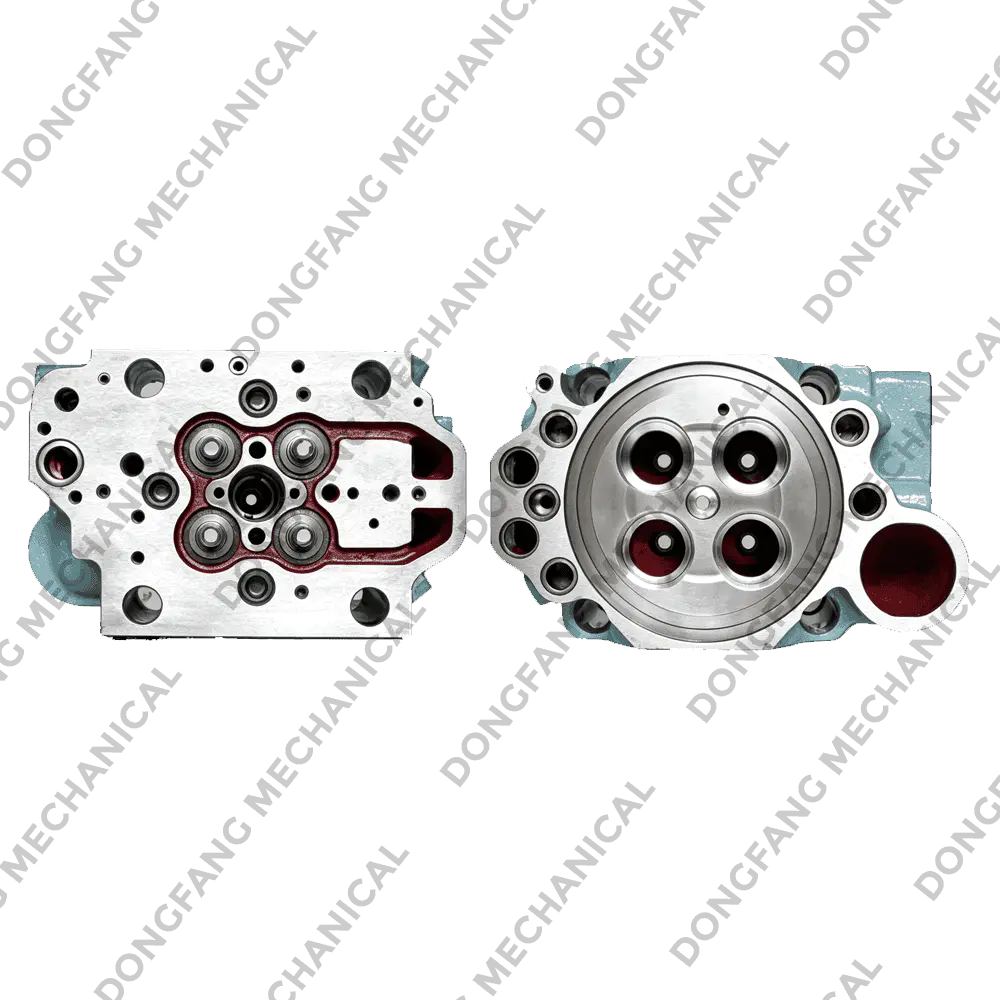
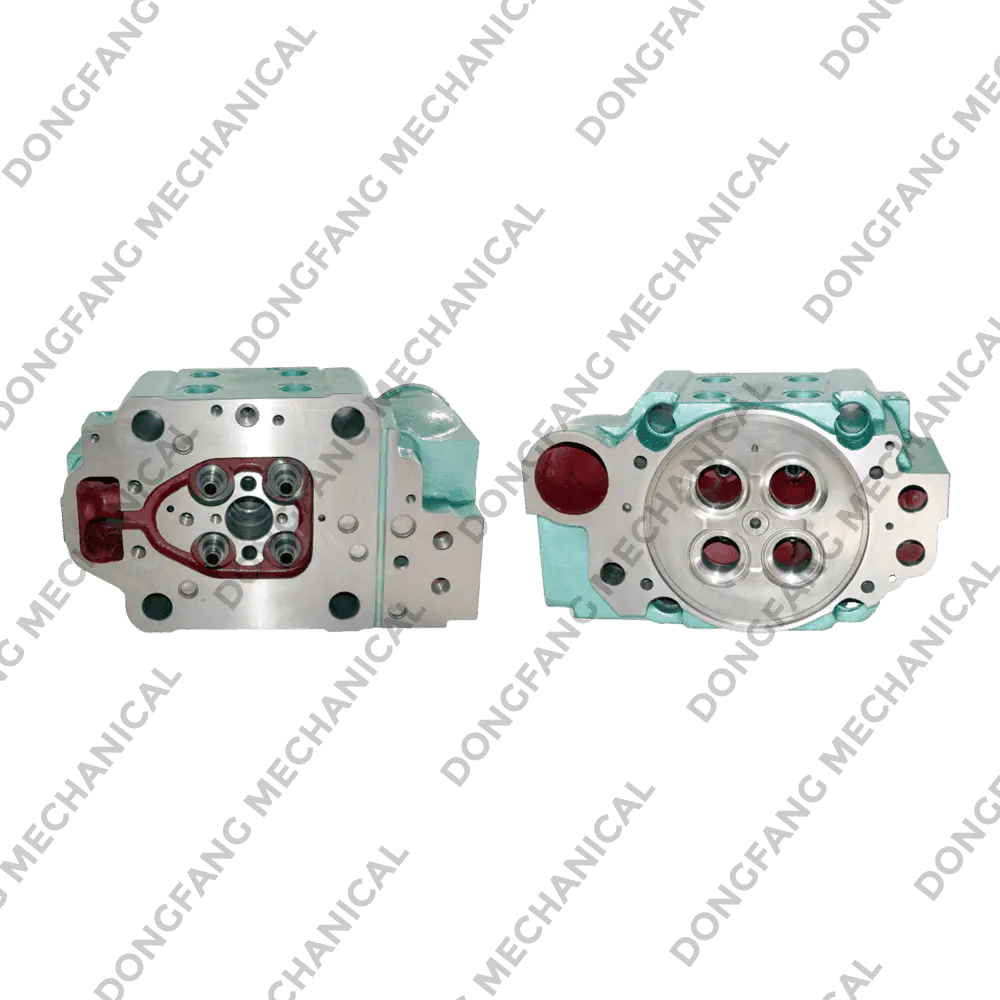
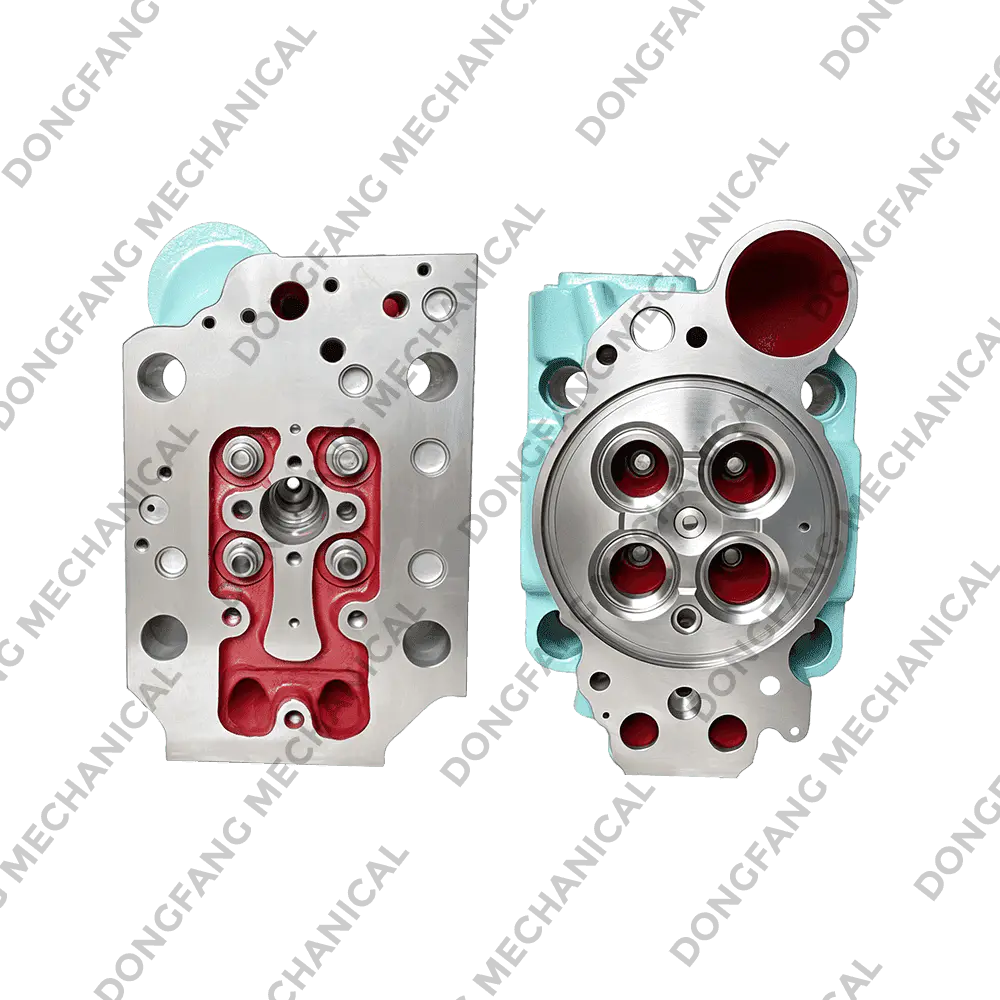
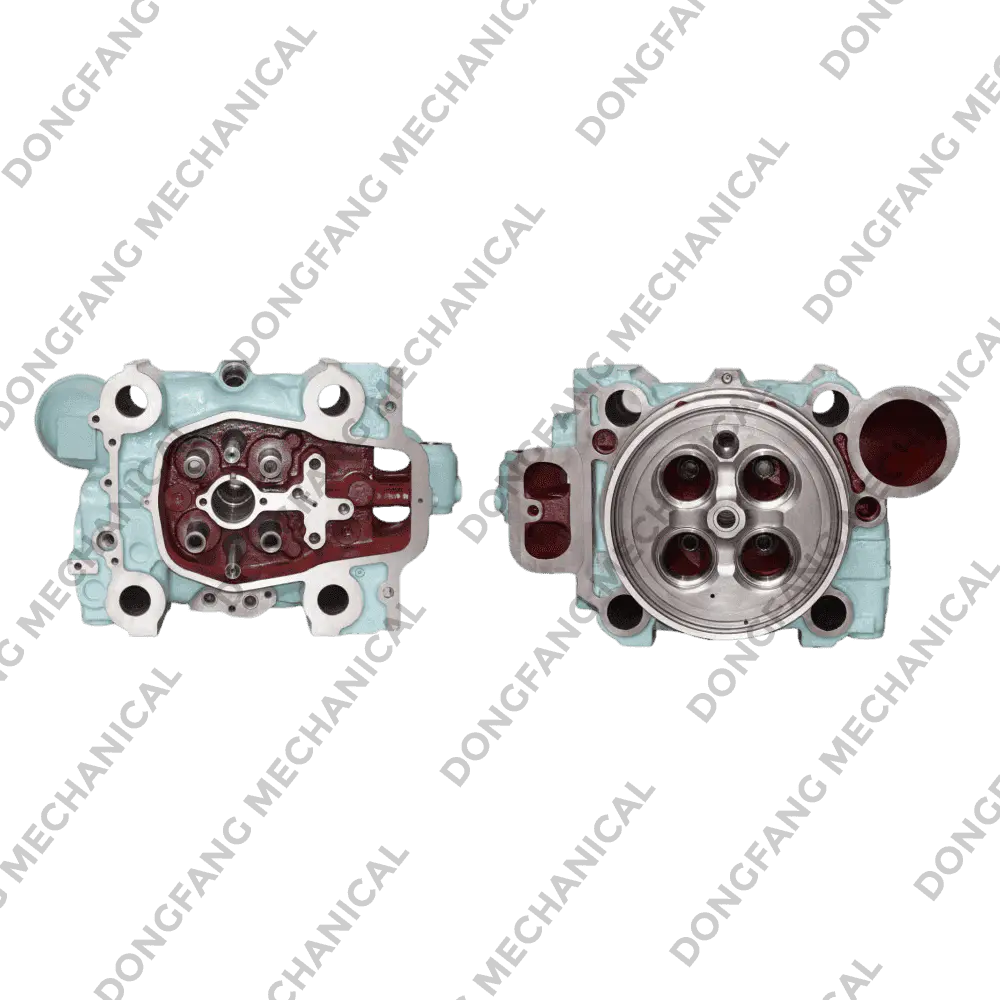
The PC2-6 cylinder head is a replacement component designed for domestic diesel engines used in marine and industrial applications. As one of the most highly loaded parts in a diesel engine, the cylinder head must withstand combustion pressure, repeated thermal cycling, vibration, coolant exposure, and continuous mechanical stress. A well-manufactured replacement cylinder head is therefore essential for restoring engine reliability, maintaining combustion efficiency, and reducing the risk of costly operational interruptions.
This product is manufactured by Zhoushan Putuo Dongfang Machinery Co., Ltd., a specialized Chinese producer of cylinder heads and other diesel engine components. The company has developed extensive experience in the manufacture and supply of replacement parts for imported and domestic marine diesel engines. Its product range includes cylinder heads, cylinder liners, valves, valve seats, valve cages, valve guides, connecting rods, piston pins, and piston heads.
The PC2-6 cylinder head is intended for customers seeking a dependable aftermarket alternative for domestic diesel engines. It combines carefully controlled material selection, precision machining, dimensional inspection, experienced production personnel, and practical knowledge of marine engine service requirements. These features make it suitable for shipowners, marine repair companies, engine maintenance contractors, spare-parts distributors, and industrial users that require consistent replacement components.
Product Overview
A cylinder head forms the upper boundary of the engine combustion chamber. It supports or houses important components such as the intake and exhaust passages, fuel injection arrangement, valves, valve seats, valve guides, cooling passages, and fastening interfaces. Its geometry directly influences air movement, fuel combustion, heat transfer, sealing performance, and engine service life.
The PC2-6 is produced as a replacement cylinder head for domestic diesel engine applications. It is identified by the product model PC2-6 and is supplied through a manufacturer with more than two decades of experience in diesel engine component production. The design and manufacturing approach is focused on replacement compatibility, stable quality, service practicality, and reliable operation under demanding working conditions.
For marine engines, a cylinder head must perform reliably in an environment where maintenance access may be limited and where engine downtime can affect cargo schedules, fishing operations, offshore work, passenger transport, or port activity. The replacement part must therefore provide more than a basic dimensional match. It should support dependable installation, maintain proper sealing, resist thermal deformation, and work effectively with the related valve train and fuel system components.
The PC2-6 cylinder head is part of a broader product category covering replacement parts for domestic diesel engines. The same manufacturing capability also supports components compatible with several well-known marine diesel engine families. This broad experience provides useful knowledge regarding different engine structures, operating conditions, inspection requirements, and aftermarket purchasing needs.
Customers should always confirm the exact engine model, serial number, technical drawing, dimensions, and service application before ordering. Compatibility should be checked against the original component and the engine manufacturer’s technical requirements. Where necessary, the supplier can review drawings, photographs, measurements, and application details to help determine whether the PC2-6 is suitable for a specific installation.
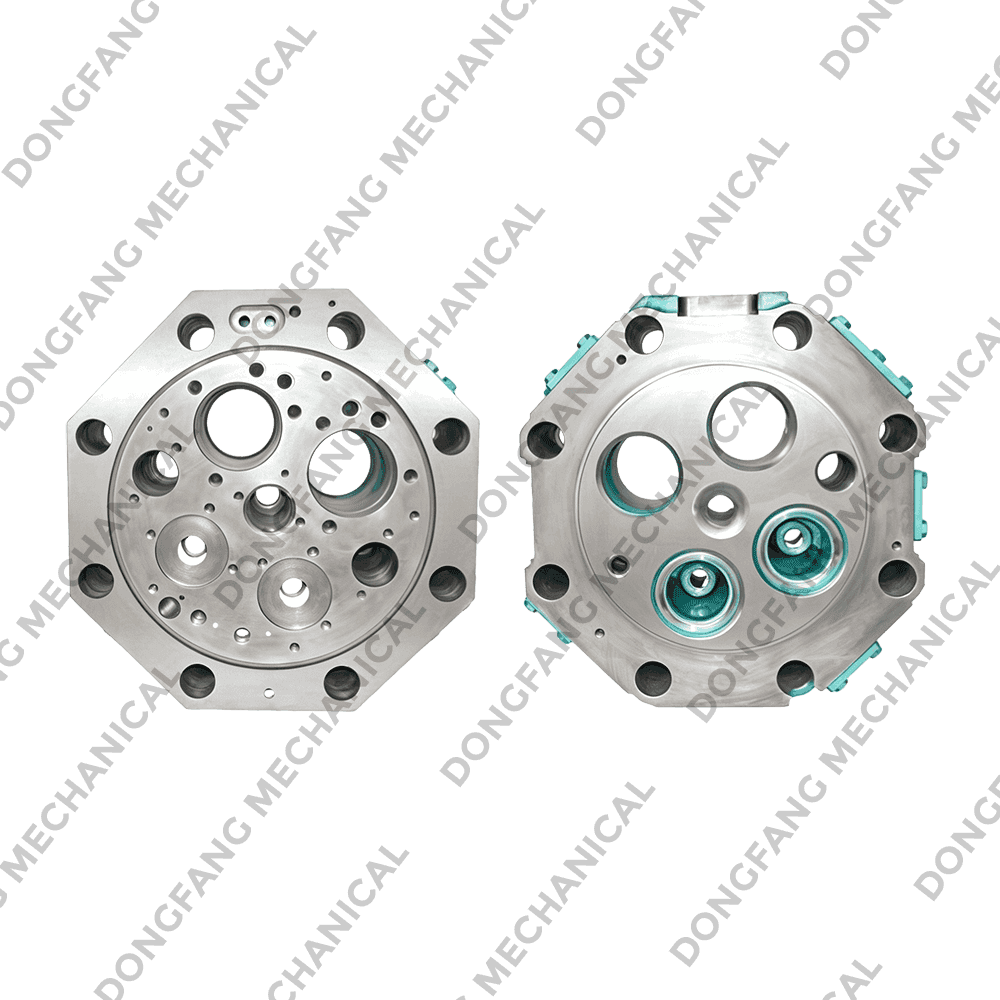
PC2-6
Why Cylinder Head Quality Matters
The cylinder head is exposed to some of the most severe conditions inside a diesel engine. During combustion, the component experiences high pressure and localized temperatures. When the engine starts, stops, accelerates, or changes load, the cylinder head repeatedly expands and contracts. These thermal cycles can create stress around valve seats, injector openings, bolt holes, cooling passages, and sealing surfaces.
If the cylinder head is not manufactured accurately, several problems may occur. An uneven gasket surface can cause combustion gas leakage or coolant leakage. Misaligned valve guide bores can lead to abnormal valve wear. Incorrect valve seat geometry can reduce compression and cause poor heat transfer from the valve to the cylinder head. Defects in cooling passages may produce localized hot spots. Poorly positioned holes or interfaces can make installation difficult and may result in additional repair work.
A high-quality replacement cylinder head helps preserve the designed relationship between the combustion chamber, valves, fuel injector, piston, and cylinder liner. This relationship is critical to efficient fuel combustion and stable engine performance. Correct geometry also helps reduce stress on associated parts, including valve stems, valve springs, rocker arms, gaskets, and fastening hardware.
Marine engines often operate for long periods at a relatively steady load. This can be beneficial for efficiency, but it also means that any cooling or sealing weakness may continue to affect the engine for many hours before the problem becomes visible. A durable cylinder head supports stable operation over extended running periods and reduces the likelihood of repeated maintenance.
The value of a replacement cylinder head should therefore be assessed through total service performance rather than purchase price alone. A low-cost component that requires repeated machining, creates installation delays, or fails prematurely may result in higher costs than a carefully manufactured part with stable dimensions and dependable material quality.
Key Product Advantages
Stable Replacement Quality
The PC2-6 cylinder head is manufactured for the replacement market, where consistent interchangeability and practical service performance are essential. Production is organized around repeatable processes that help maintain dimensional stability between batches. This is important for distributors and fleet operators that need to purchase the same component more than once over the operating life of an engine fleet.
Stable replacement quality also simplifies inventory management. When a component is produced with consistent interfaces and inspection standards, maintenance personnel can plan installation with greater confidence. The risk of discovering substantial dimensional differences after delivery is reduced, and the need for unexpected corrective machining can be minimized.
Suitability for Demanding Marine Conditions
Marine diesel engines operate in environments characterized by humidity, salt exposure, vibration, variable ambient temperatures, and long operating cycles. The PC2-6 cylinder head is manufactured with awareness of these conditions. Attention to sealing surfaces, cooling passage integrity, valve-related bores, and external machined faces helps support dependable service in demanding applications.
The cylinder head itself is not a complete solution to every operating challenge. Correct coolant quality, proper gasket selection, appropriate tightening procedures, accurate fuel injection timing, and regular valve clearance checks remain essential. However, a sound cylinder head provides the necessary foundation for these maintenance practices to work effectively.
Precision Interfaces
A cylinder head contains multiple interfaces that must work together accurately. These include the gasket contact surface, cylinder liner or block sealing area, valve guide bores, valve seat locations, injector opening, threaded holes, fastening holes, and connections to cooling and lubrication systems.
Machining these interfaces accurately helps ensure that related components can be installed correctly. Properly finished surfaces support effective sealing, while controlled bores and seats help maintain valve alignment. These details are particularly important because a minor error in one area can create secondary stress in another part of the assembly.
Practical Aftermarket Support
Aftermarket users often require more than a standard catalog description. They may need assistance confirming an engine model, checking an old part, comparing dimensions, reviewing photographs, or arranging production according to a technical drawing. A manufacturer focused on replacement parts can provide practical support based on experience with ship repair, engine overhaul, and spare-parts distribution.
The supplier’s product range includes many related engine components. This broader capability can be useful when a customer is completing a cylinder head overhaul and also requires valves, valve seats, valve cages, valve guides, cylinder liners, connecting rods, piston pins, or piston heads. Coordinating related components through one experienced source may simplify purchasing and reduce communication issues.
Production Capacity for Ongoing Supply
For commercial operators, reliable supply is an important part of product quality. A cylinder head may be needed urgently during a repair, but it may also be required repeatedly for a fleet or a distributor’s regular inventory. The manufacturer operates a production facility covering more than 8,000 square meters, including a workshop of more than 5,000 square meters, and has reported annual production exceeding 5,000 sets.
This production capacity supports both individual orders and ongoing supply arrangements. It can also help customers develop a planned purchasing program instead of relying only on emergency procurement. For distributors, stable manufacturing capacity provides a stronger basis for maintaining stock of popular replacement models.
Advanced Manufacturing Process
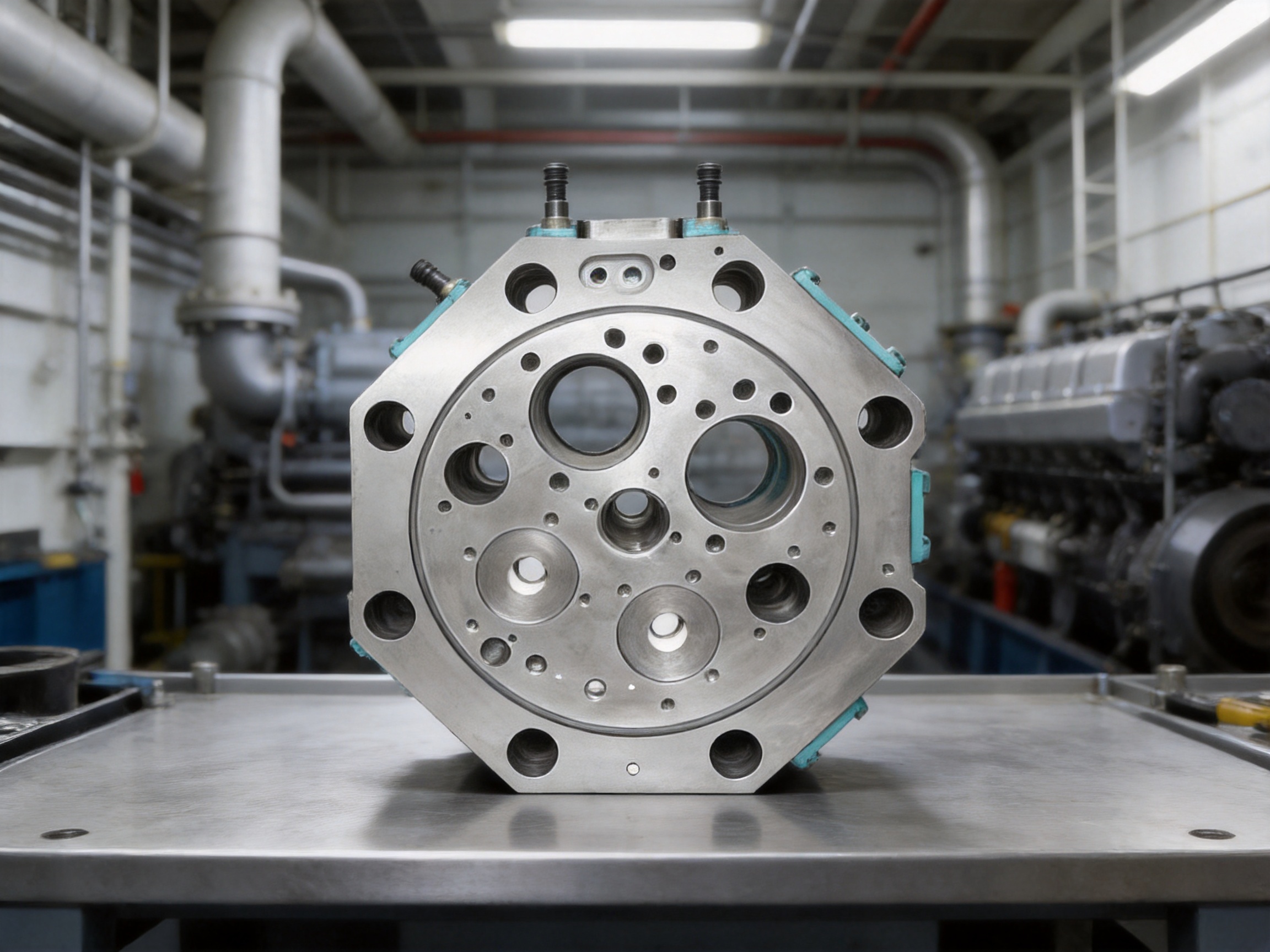
The performance of a cylinder head depends on the complete manufacturing chain rather than one isolated operation. Material preparation, forming or casting, rough machining, heat treatment where applicable, precision machining, cleaning, assembly preparation, inspection, and packing must all be coordinated. A weakness at any stage can reduce the reliability of the finished part.
Technical Review and Production Planning
Manufacturing begins with a technical review of the product requirements. The supplier evaluates the available drawing, sample, engine reference, dimensional data, and customer application. This stage helps identify critical features such as combustion chamber dimensions, valve seat locations, guide bore sizes, bolt patterns, cooling interfaces, and gasket contact surfaces.
For replacement parts, technical review is particularly important because an original component may have experienced wear, deformation, corrosion, or previous repair work. Measurements taken from a used sample cannot always be accepted without analysis. Experienced production personnel compare available information and identify which dimensions represent the original design and which may reflect service damage.
Once the technical information has been confirmed, production planning can establish the appropriate material route, machining sequence, inspection points, and packaging method. This organized approach reduces avoidable variation and helps ensure that the finished cylinder head matches the intended application.
Material Control
The cylinder head material must provide a suitable balance of strength, thermal stability, machinability, and resistance to the operating environment. Material selection is based on the engine application and the performance requirements of the component. The manufacturing team must also consider the interaction between the cylinder head material and associated components, including valves, seats, guides, gaskets, and fasteners.
Material control includes confirming the incoming material, maintaining traceability where required, and preventing unsuitable material from entering production. Consistent material quality supports predictable machining behavior and helps reduce the risk of internal defects or abnormal service degradation.
In a professional production environment, material handling is combined with process documentation and inspection. Although the exact material grade may vary according to the engine design, the principle remains the same: the material must be appropriate for repeated exposure to combustion heat, coolant circulation, mechanical fastening, and thermal cycling.
Forming and Initial Preparation
The initial body of a cylinder head must be prepared with attention to shape, wall thickness, cooling regions, and allowance for machining. Whether the manufacturing route uses a cast or other approved forming process, the component must provide sufficient material for final machining without creating unnecessary stress concentrations.
During this stage, attention is given to potential issues such as porosity, inclusions, cracks, distortion, incomplete filling, and inconsistent section thickness. These defects can be particularly serious in a cylinder head because they may affect pressure containment or coolant separation. Careful process control at the beginning of production reduces the risk of hidden problems appearing later.
After forming, the component is prepared for machining. Excess material is removed where necessary, reference areas are established, and the part is positioned according to controlled datums. Correct referencing is essential because all later features depend on the relationship between the combustion chamber, valve train, injector, and external mounting surfaces.
Computer-Controlled and Precision Machining
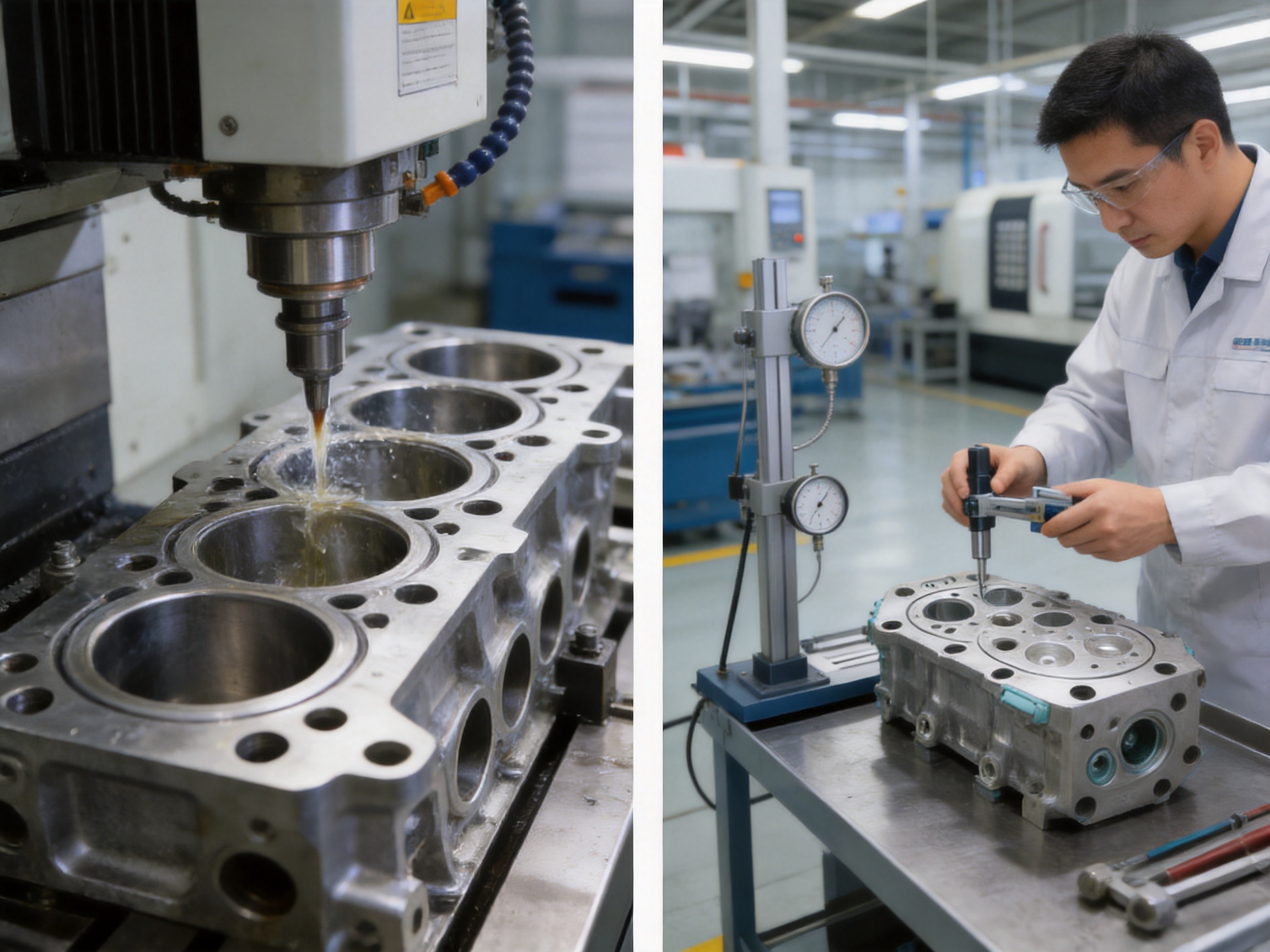
Modern machining equipment allows critical cylinder head features to be produced with greater repeatability than manual methods alone. Computer-controlled machining can support accurate positioning of holes, bores, valve guide locations, and sealing surfaces. It also allows production personnel to reproduce approved programs and maintain consistent geometry across multiple parts.
Machining operations may include surface milling, drilling, boring, tapping, reaming, counterboring, valve seat preparation, guide bore finishing, and other specialized operations. Each operation is selected according to the cylinder head design and the required relationship between components.
The gasket or sealing surface receives particular attention. It must be sufficiently flat and properly finished to support reliable sealing under combustion pressure and coolant pressure. Excessive roughness can damage a gasket or provide leakage paths, while excessive smoothness may also be unsuitable for certain gasket designs. The correct surface condition must therefore be matched to the intended sealing system.
Valve guide bores and valve seat locations are machined in relation to the cylinder head’s combustion chamber geometry. Accurate alignment helps the valve move smoothly and seat evenly. It also helps distribute heat from the valve into the surrounding material. Poor alignment can cause edge contact, accelerated wear, leakage, or localized overheating.
Valve Seat and Guide Preparation
Valve seats and guides are among the most functionally important areas of a cylinder head. The valve must close against its seat with sufficient contact to maintain compression and transfer heat. The valve stem must move through the guide with controlled clearance. These requirements depend on accurate dimensions, correct surface finishes, and proper alignment.
The manufacturing process includes preparation of the relevant bores and contact surfaces so that the compatible valve train components can be installed correctly. Depending on the specific design, the cylinder head may be supplied with valve seats, valve guides, cages, or related components installed, or it may be prepared for separate installation during overhaul.
When installing replacement seats or guides, maintenance personnel should follow the applicable technical procedure. Press fits, temperature differences, installation forces, protrusion dimensions, and finishing operations must be controlled. A professionally manufactured cylinder head provides an accurate foundation, but the final overhaul quality also depends on correct workshop practice.
Cleaning and Internal Passage Control
Machining creates chips, abrasive particles, cutting-fluid residue, and other contaminants. If these remain inside the cylinder head, they may enter the lubrication or cooling system and damage other engine components. Thorough cleaning is therefore an essential manufacturing step rather than a cosmetic procedure.
Internal passages, threaded holes, valve areas, and machined recesses are cleaned and checked. Particular attention is needed around cooling passages and blind holes, where debris may remain hidden. Cleanliness also supports more accurate final inspection because dirt and residue can conceal surface defects or affect measurement results.
Final Inspection
Final inspection verifies that the finished component meets the relevant technical requirements. Inspection may include dimensional measurement, visual examination, surface condition checks, thread verification, flatness checks, and pressure or leakage testing where applicable to the design and customer requirement.
Critical dimensions are compared against approved drawings, technical data, or confirmed reference samples. Inspection equipment must be suitable for the tolerance being checked and properly maintained. Measuring methods should be consistent so that results can be compared between production batches.
The inspection process is not limited to identifying defective parts. It also provides feedback about production stability. If measurements show a trend toward a process limit, corrective action can be taken before nonconforming components are produced in larger quantities. This approach supports continuous improvement and more reliable delivery performance.
Quality Management and Manufacturing Strengths
Zhoushan Putuo Dongfang Machinery Co., Ltd. obtained ISO 9001 certification in 2001. A quality management system provides a structured framework for document control, production procedures, inspection records, corrective action, customer communication, and continuous improvement. Certification alone does not replace technical competence, but it demonstrates a formal commitment to controlled business and manufacturing processes.
The company has specialized in imported and domestic marine diesel engine components since its establishment in 1996. More than twenty years of experience provides practical knowledge that cannot be gained from equipment investment alone. Long-term experience helps production personnel understand common failure modes, service wear patterns, installation difficulties, and the needs of shipowners and repair workshops.
The company has also been rated as an AAA-level enterprise. Such recognition supports the broader image of a stable and established supplier, although customers should still evaluate each order according to the relevant technical specifications, inspection requirements, and application conditions.
More than 8,000 square meters of total facilities and a workshop exceeding 5,000 square meters provide space for production, machining, inspection, storage, and order preparation. A suitable facility layout can reduce unnecessary movement of components and support a more organized production flow.
Annual output exceeding 5,000 sets indicates the ability to support a significant replacement-parts market. Production scale can provide advantages in process familiarity, tooling utilization, material purchasing, inspection experience, and delivery planning. At the same time, high volume must be combined with effective quality controls so that productivity does not compromise consistency.
The company’s stated business philosophy emphasizes integrity, practicality, continuous improvement, quality-first standards, reasonable pricing, and dedicated service. These principles are relevant to aftermarket customers because replacement parts are often purchased under time pressure. Clear communication, honest technical feedback, and realistic delivery information can be as valuable as the physical component itself.
Comparison with Lower-Quality Aftermarket Alternatives
Aftermarket cylinder heads are not all manufactured to the same standard. Some suppliers focus primarily on low initial price and may provide limited information about material, inspection, machining tolerances, or production history. Such parts may appear acceptable externally but create problems during installation or operation.
The PC2-6 is positioned as a quality-focused replacement component. Its advantages over less controlled alternatives include an established manufacturing background, formal quality management, dedicated production facilities, experienced personnel, and a wider understanding of marine diesel engine components.
A lower-quality cylinder head may have inconsistent gasket surfaces, inaccurate valve guide alignment, incorrect threaded holes, insufficient cleaning, or inadequate control of cooling passages. These issues can create additional workshop costs. The part may require extensive corrective machining, or it may cause premature failure after installation.
Another difference concerns technical communication. A supplier with experience in replacement engine parts is more likely to understand why customers ask for specific measurements, material information, inspection reports, or sample comparisons. This can make the ordering process more efficient and reduce the risk of receiving a component that is visually similar but technically unsuitable.
Price remains an important purchasing consideration, particularly for maintenance companies and distributors. However, a meaningful comparison should include the total cost of ownership. Factors such as machining required after delivery, installation time, gasket replacement, unexpected downtime, warranty handling, and repeat failure should be considered alongside the initial purchase price.
| Evaluation Area | PC2-6 Quality-Focused Supply | Potential Risk with Poorly Controlled Alternatives |
|---|---|---|
| Dimensional consistency | Supported by planned machining and inspection procedures | Variation may lead to difficult installation or corrective machining |
| Sealing surfaces | Prepared for reliable gasket and interface performance | Uneven or unsuitable surfaces may cause leakage |
| Valve-related geometry | Produced with attention to guide and seat relationships | Misalignment may cause wear, leakage, or overheating |
| Production experience | More than two decades of diesel engine component experience | Limited application knowledge may increase compatibility risk |
| Quality management | ISO 9001-certified management framework | Inspection records and corrective procedures may be unclear |
| Supply capability | Established facility and annual production exceeding 5,000 sets | Inconsistent delivery or limited repeat-order capacity |
| Related components | Access to cylinder liners, valves, guides, seats, rods, and piston parts | Multiple suppliers may be required for one overhaul |
Benefits for Different Customers
Shipowners and Fleet Operators
Shipowners and fleet operators need replacement parts that support reliable vessel operation and predictable maintenance planning. A dependable cylinder head can help reduce the likelihood of repeated repairs and unplanned engine stoppages. When multiple vessels use similar engines, stable replacement quality also makes it easier to standardize maintenance procedures and spare-parts inventories.
Fleet operators can benefit from discussing expected annual demand with the supplier. Planned orders may improve availability, reduce emergency procurement, and support the creation of a model-specific spare-parts strategy. Technical records should include the engine model, serial number, installed part reference, dimensions, and service history.
Marine Repair Workshops
Repair workshops require parts that can be inspected, prepared, and installed within a controlled overhaul schedule. A cylinder head with accurate interfaces can reduce fitting time and help technicians focus on the overall engine condition rather than correcting avoidable manufacturing errors.
Workshops may also need related components for a complete cylinder head service. The manufacturer’s broader product range can support procurement of valves, valve guides, valve seats, valve cages, cylinder liners, piston pins, connecting rods, and piston heads. Coordinated supply is especially useful when a major overhaul reveals wear in several connected areas.
Spare-Parts Distributors
Distributors need products that can be described accurately to their customers. A clear product model, stable technical information, reasonable production capacity, and responsive communication all support distributor confidence. The PC2-6 can be included in a replacement-parts inventory for domestic diesel engine users, subject to confirmed compatibility.
Distributors should maintain accurate records and avoid presenting a replacement cylinder head as universally compatible without checking the application. Proper product identification protects both the distributor and the final user. It also helps prevent returns caused by differences between engine versions or production series.
Industrial Diesel Engine Users
Although the company has strong experience in marine applications, domestic diesel engines may also be used in industrial power generation, pumping, construction support, and other stationary or mobile equipment. In these applications, the cylinder head remains exposed to combustion pressure, heat, vibration, and cooling-system demands.
Industrial users should evaluate the operating profile, fuel type, cooling arrangement, maintenance interval, and ambient conditions before ordering. The PC2-6 should be selected according to verified technical compatibility rather than application name alone.
Installation and Maintenance Considerations
Correct installation is essential for achieving the expected performance of a replacement cylinder head. Before installation, the engine block or liner seating area should be cleaned and inspected. Old gasket material, carbon deposits, corrosion, and foreign particles should be removed without damaging the sealing surface.
The replacement cylinder head should be checked for shipping damage, contamination, visible cracks, damaged threads, and missing components. Critical dimensions should be compared with the engine maintenance manual or the removed part. Particular attention should be given to valve protrusion, guide condition, seat contact, injector position, and gasket alignment.
Gaskets should be selected according to the engine manufacturer’s requirements. Reusing a compressed or damaged gasket is generally unsuitable for a major cylinder head installation. Fasteners should be inspected for stretching, corrosion, damaged threads, or other signs of fatigue. Where the engine manufacturer specifies replacement fasteners, those instructions should be followed.
Tightening must be completed in the correct sequence and with the specified torque or angle procedure. Uneven tightening can distort the cylinder head or create localized gasket stress. Calibrated tools should be used, and the tightening sequence should be documented when required by the maintenance procedure.
After installation, the cooling system should be filled with suitable coolant and carefully vented. Air pockets can create local overheating. The lubrication system should be checked for correct pressure, and the fuel system should be inspected for leakage. Initial operation should be monitored for coolant loss, oil contamination, abnormal exhaust color, combustion leakage, unusual noise, and unstable temperature.
Valve clearance and fuel injection settings should be checked according to the engine service instructions. Even a precisely manufactured cylinder head may not perform correctly if the valve train is incorrectly adjusted or the injector is poorly installed.
During service, coolant quality should be maintained because corrosion, scale, and chemical imbalance can damage cooling passages and sealing areas. The engine should not be operated for extended periods with an overheated cooling system. Overheating may distort the cylinder head, damage the gasket, or reduce the service life of valves and seats.
Regular inspection of exhaust temperature, coolant temperature, oil condition, compression behavior, and engine vibration can help identify developing problems. Early detection is usually less expensive than operating until a minor sealing or valve problem causes major engine damage.
Ordering and Compatibility Verification
When requesting the PC2-6 cylinder head, customers should provide as much technical information as possible. Useful information includes the engine manufacturer, engine model, serial number, cylinder arrangement, original cylinder head reference, casting number, dimensions, photographs, and intended application.
If an old cylinder head is available, photographs should show the combustion chamber, valve areas, injector opening, gasket surface, cooling connections, and external mounting features. Clear photographs of casting marks and identification numbers can help distinguish similar-looking components.
Measurements may include overall length and width, mounting-hole spacing, bore diameters, valve guide dimensions, valve seat diameter, gasket thickness, injector position, and cooling connection sizes. Measurements should be taken with suitable instruments and identified clearly in a drawing or marked photograph.
Customers should also state whether they require a bare cylinder head, a head with valve seats and guides, or a more complete assembly. Different overhaul projects may have different requirements. Confirming the scope of supply before production helps prevent misunderstandings.
For repeat orders, customers should retain the supplier’s quotation, approved drawing, inspection information, and previous delivery record. This creates a technical reference for future purchasing and supports consistent supply.
Packaging, Delivery, and Service Support
A cylinder head is a precision-machined component and should be protected during storage and transportation. Packaging should prevent impact damage, contact between machined surfaces, moisture intrusion, and contamination. Protective materials may be applied to exposed machined areas where appropriate.
Before dispatch, the component should be checked against the order specification and packing list. Identification labels should be clear enough to distinguish the PC2-6 from similar products. Documentation may include inspection information, packing details, and other records agreed with the customer.
Because marine repair schedules can be time-sensitive, delivery communication is important. Customers should receive realistic production and shipping information rather than uncertain promises. If a technical question affects the schedule, it is better to address the issue before machining or dispatch.
The supplier’s location in Zhoushan, Zhejiang Province, benefits from established land, sea, and air transportation connections. This is useful for both domestic and international customers. Zhoushan is also closely associated with maritime activity, ship repair, marine equipment, and port logistics, providing a practical business environment for marine engine component supply.
After delivery, customers should communicate any technical concern promptly. Photographs, measurements, engine information, and operating symptoms can help the supplier and the repair workshop evaluate the issue. Clear after-sales communication supports continuous improvement and helps identify whether a problem is related to the component, installation, engine condition, or operating environment.
Environmental and Operational Efficiency
A properly functioning cylinder head contributes to the overall efficiency of a diesel engine. Correct valve sealing supports compression, and sound combustion-chamber geometry helps the engine convert fuel energy into mechanical power. Stable cooling performance also helps the engine operate within its intended temperature range.
When a replacement cylinder head restores an engine to reliable service, it may extend the useful life of the existing engine and reduce the need for premature replacement. This can lower the consumption of materials associated with manufacturing a complete new engine. Refurbishment and replacement-part programs are therefore important elements of practical equipment lifecycle management.
Operational efficiency also depends on correct maintenance. A cylinder head cannot compensate for contaminated fuel, unsuitable lubricant, poor cooling-water treatment, incorrect injection timing, or prolonged overload. The best results are achieved when a quality replacement component is combined with disciplined maintenance and responsible operation.
Recommended Inspection Checklist
Before ordering, confirm the engine model, serial number, and original cylinder head reference.
Compare the available drawing or sample with the required combustion chamber, valve, injector, cooling, and mounting features.
Confirm whether the product is supplied as a bare cylinder head or with valve seats, valve guides, valves, or other components.
Ask for applicable material, dimensional, inspection, and testing information when required by the maintenance program.
Inspect the delivered component for impact damage, corrosion, contamination, damaged threads, and visible defects.
Check critical dimensions before installation, especially gasket surfaces, valve guide bores, seat locations, mounting holes, and injector interfaces.
Use the correct gasket, fasteners, tightening sequence, torque procedure, coolant, and valve adjustment method.
Monitor the engine carefully during initial operation and record temperature, pressure, leakage, exhaust condition, and abnormal noise.
Q&A
What is the PC2-6 cylinder head used for?
The PC2-6 is a replacement cylinder head for domestic diesel engine applications, particularly marine and related industrial uses. It is intended to restore the upper combustion-chamber assembly when the original cylinder head is cracked, worn, distorted, corroded, or otherwise unsuitable for continued service.
Is the PC2-6 suitable for every domestic diesel engine?
No. Cylinder heads are model-specific components, and visual similarity does not confirm compatibility. Customers should provide the engine model, serial number, original part reference, drawings, photographs, or measurements so that the application can be verified before ordering.
What are the main advantages of this replacement cylinder head?
The main advantages include controlled manufacturing, precision-machined interfaces, experience in domestic and marine diesel engine components, ISO 9001-certified quality management, established production facilities, and access to related overhaul components. These features support dependable installation and consistent aftermarket supply.
Yes. The company specializes in cylinder heads, cylinder liners, valves, valve seats, valve cages, valve guides, connecting rods, piston pins, and piston heads for imported and domestic marine diesel engines. Availability and compatibility should be confirmed for each engine model.
Does the cylinder head arrive fully assembled?
The supply condition depends on the customer’s requirement and the confirmed product specification. Some customers may require a bare cylinder head, while others may need valve seats, guides, or additional components. The scope of supply should be stated clearly in the quotation and order confirmation.
How can a customer verify compatibility?
Compatibility can be checked using the engine model, serial number, original cylinder head reference, technical drawing, casting marks, photographs, and dimensional measurements. Providing several types of information is recommended when similar engine versions exist.
Why is the sealing surface important?
The sealing surface forms the interface between the cylinder head and the gasket or engine structure. If it is warped, damaged, contaminated, or incorrectly finished, combustion gas, coolant, or oil may leak. A properly machined surface supports reliable sealing when combined with the correct gasket and tightening procedure.
Why are valve guides and valve seats important?
Valve guides control valve movement, while valve seats provide the closing contact needed for compression and heat transfer. Incorrect alignment, unsuitable clearance, or poor seat contact may cause leakage, abnormal wear, overheating, and reduced engine performance.
What should be checked before installation?
The component should be checked for shipping damage, cleanliness, visible cracks, damaged threads, correct dimensions, and proper interfaces. The engine block or liner seating area, gasket, fasteners, valves, guides, seats, and injector arrangement should also be inspected.
Can a high-quality cylinder head solve all engine performance problems?
No. Engine performance depends on many systems, including fuel injection, lubrication, cooling, valve adjustment, piston condition, cylinder liner condition, and operating load. A high-quality cylinder head provides a reliable foundation, but correct installation and complete engine maintenance remain necessary.
What makes an experienced supplier valuable?
An experienced supplier can help interpret drawings, compare samples, identify critical dimensions, recommend related components, and communicate realistic production information. Experience with different marine diesel engines also improves understanding of common service conditions and replacement-part requirements.
Is the PC2-6 suitable for long-term fleet supply?
It may be suitable for planned fleet supply when the engine application is verified and the product specification is documented. The manufacturer’s established facility and reported annual production capacity support repeat-order discussions. Fleet customers should establish a clear technical reference for future purchases.
Conclusion
The PC2-6 cylinder head is a practical replacement solution for domestic diesel engines used in marine and related industrial applications. Its importance extends beyond the physical casting because the component affects combustion sealing, valve operation, cooling performance, engine efficiency, and maintenance reliability.
The product benefits from the manufacturing experience of Zhoushan Putuo Dongfang Machinery Co., Ltd., a company established in 1996 and focused on diesel engine components for more than twenty years. ISO 9001 certification, an established production facility, annual output exceeding 5,000 sets, experienced technical personnel, and a broad related product range provide a solid foundation for aftermarket supply.
Compared with poorly controlled alternatives, a quality-focused cylinder head offers advantages in dimensional consistency, interface accuracy, technical support, production stability, and potential total cost of ownership. These benefits are especially important for marine operators and repair workshops where installation delays and unplanned downtime can be expensive.
Customers should confirm compatibility carefully and provide complete engine information before ordering. With correct selection, professional installation, suitable gaskets and fasteners, proper cooling-system management, and regular maintenance, the PC2-6 cylinder head can support dependable engine restoration and continued service.
References
1. ISO 9001: Quality Management Systems — Requirements.
2. Diesel Engine Maintenance and Overhaul Practices, technical training reference for marine engine workshops.
3. Internal Combustion Engine Components: Design, Materials, and Service Requirements.
4. Marine Diesel Engine Operation, Maintenance, and Troubleshooting Guidelines.
5. Valve Train Service Procedures for Medium-Speed and High-Speed Diesel Engines.
6. Cylinder Head Inspection, Gasket Installation, and Fastener Tightening Practices.
7. Manufacturer-provided product information for the PC2-6 replacement cylinder head.
8. Manufacturer-provided company and production capability information for Zhoushan Putuo Dongfang Machinery Co., Ltd.